

 Sasha Campbell
If you garden, you probably want healthy plants without using lots of chemicals. One helpful insect you may want in your garden is the ground beetle.
These hardworking insects come out mostly at night. Different species may eat pests that damage flowers, fruits, and vegetables.
Many people do not notice ground beetles because they spend the day hiding under rocks, leaves, logs, and mulch [1]. After sunset, they come out to search for food.
Let’s learn why these amazing insects are so helpful and how you can invite more of them into your yard.
What Are Ground Beetles?
Ground beetles are insects that belong to a large family called Carabidae.
There are about 40,000 known species of ground beetles worldwide. More than 3,000 species live in North America [2].
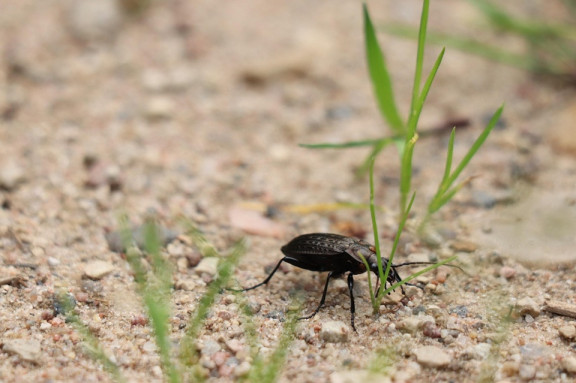
Many ground beetles are black or dark brown and have shiny bodies. They are often about ¼ to 1 inch long. However, their size can vary. Some species have green, blue, bronze, or purple colors that shine in the light.
Most ground beetles do not damage healthy garden plants. Many hunt insects, slugs, and other small pests. Some species also eat seeds, including weed seeds.
Many ground beetles prefer running instead of flying. They are fast runners, so you may see them racing across the ground at night.
Are Ground Beetles Good for Gardens?
Yes. Ground beetles are among the many beneficial insects that can help protect a garden.
Both adult ground beetles and their young, called larvae, may hunt common garden pests. This helps keep some pest numbers low naturally.
Many gardeners encourage ground beetles to live near their plants because these insects provide natural pest control.
What Do Ground Beetles Eat?
Ground beetles have a big appetite, but different species eat different foods. No single species eats everything on this list.
Depending on the species, ground beetles may eat:
- Slugs
- Snails
- Caterpillars
- Cutworms
- Armyworms
- Cabbage worms
- Root maggots
- Aphids
- Beetle larvae
- Fly larvae
- Insect eggs
Some species also eat weed seeds [3]. This may help reduce weeds before they have a chance to grow.
By feeding on different pests, ground beetles may help protect lettuce, cabbage, tomatoes, peppers, beans, squash, potatoes, strawberries, and other garden plants.
8 Ways Ground Beetles Help the Garden
1. They Eat Slugs and Snails
Slugs and snails can chew large holes in young leaves.
Some ground beetles eat slugs and snails, including their eggs and young. This may help reduce damage to young plants.
2. They Control Caterpillars
Many kinds of caterpillars eat leaves, flowers, and vegetables.
Some ground beetles hunt caterpillars that hide near the soil or crawl between plants. By eating these pests, the beetles may help keep their numbers under control.
3. They Reduce Cutworm Damage
Cutworms are known for cutting off young seedlings at ground level.
Ground beetles may find and eat cutworms hiding near or below the soil surface. This can help protect young plants from damage.
4. They Help Control Aphids
Aphids are tiny insects that suck sap from plants.
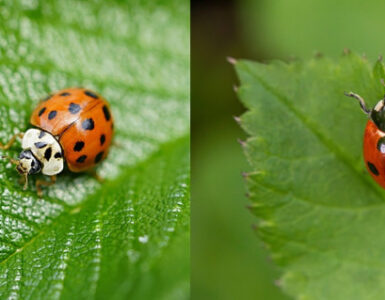
Ladybugs often get the most attention for eating aphids. However, some ground beetles also feed on aphids, especially those found close to the soil.
5. Some Eat Weed Seeds
Some ground beetles eat weed seeds that fall on the soil. This may stop some of those seeds from growing into new weeds.
However, ground beetles cannot remove every weed seed. You may still need to pull, mulch, or control weeds in other ways.
6. They Hunt Pests in Hidden Places
Many garden pests hide under leaves, mulch, and pieces of wood. Some also live near or below the soil surface.
Ground beetles search these places for food. Their larvae often hunt below the soil surface, where gardeners may not notice them. This lets the beetles reach pests that are hard to find by hand.
7. Many Adults and Larvae Hunt Pests
Some helpful insects hunt pests during only one stage of their lives.
However, many adult ground beetles and their larvae hunt pests. This gives them more than one chance to help control pests during their active season.
8. They Help Support a Balanced Garden
Ground beetles are part of the garden food web. They eat small pests, but they may also become food for birds, frogs, toads, spiders, and other animals.
Having ground beetles in your garden can signal that the area offers food and shelter for many kinds of wildlife.
How to Attract Ground Beetles to Your Garden
To attract ground beetles, make your garden a place where they can find food, moisture, and safe hiding spots.
Add Mulch
Spread natural mulch such as:
- Straw
- Wood chips
- Shredded leaves
- Pine needles
Mulch helps keep the soil cool and moist. It also gives ground beetles places to hide during the day.
Do not pile mulch against plant stems or tree trunks. Too much mulch in these areas can hold extra moisture and cause problems.
Leave Some Leaf Litter
You do not need to remove every fallen leaf.
Leave a small layer under shrubs, around trees, or along the edge of a garden bed. Ground beetles may use the leaves for shelter and protection.
Avoid letting thick, wet piles of leaves cover small plants.
Place Rocks and Logs Around the Garden
Flat stones, logs, old branches, and pieces of bark create cool hiding places. Ground beetles may rest underneath them during the day.
Place these materials where they will not cause someone to trip. Do not move old logs or rocks from wild areas because small animals may already be living there.
Grow Many Different Plants
A garden with flowers, vegetables, herbs, shrubs, grasses, and native plants can support many kinds of insects.
These plants also create shade and hiding places for ground beetles. A planted border may give them a safe place to live when the main garden is disturbed.
Avoid Broad-Spectrum Insecticides
Broad-spectrum insecticides can kill helpful insects along with harmful ones.
Use insecticides only when needed, and choose a product that targets the pest you are trying to control. Always read and follow the label.
Even some products described as natural or organic can harm beneficial insects.
Provide Cool, Damp Shelter
Ground beetles often prefer cool places that do not dry out too quickly. Mulch, leaves, low-growing plants, and pieces of wood can provide these conditions.
Water your plants when they need it, but do not keep the soil soaked. Too much water can harm roots and cause other garden problems.
Reduce Tilling
Heavy tilling can disturb adult beetles and destroy their eggs, larvae, and shelter.
Using no-till or low-till gardening methods can help protect these beneficial insects.
Create a Beetle Bank in a Large Garden
A beetle bank is a raised strip of soil planted mainly with thick grasses. It gives ground beetles a protected place to live during and between growing seasons.
Beetle banks are most useful on farms and in large gardens. In a small yard, a planted border, hedge, or quiet mulched area can provide similar shelter.
Common Mistakes That Drive Ground Beetles Away
If you want more ground beetles, try to avoid these mistakes:
- Removing all the leaves from the garden.
- Using insecticides when they are not needed.
- Leaving bare soil everywhere.
- Tilling the soil too often.
- Removing every log, rock, and piece of bark.
- Allowing all their hiding places to become hot and dry.
A few simple changes can encourage ground beetles to stay in or visit your garden.
FAQ
Where Do Ground Beetles Hide?
During the day, you may find ground beetles hiding:
- Under rocks
- Beneath logs
- Under flowerpots
- Inside mulch
- Under leaves
- Near compost piles
- Among thick plants
- In cracks in the soil
Many species come out after sunset to search for food.
Do Ground Beetles Fly?
Some ground beetles have working wings and can fly, but many rarely fly.
Most prefer running across the ground. Their speed helps them chase prey and escape from danger.
Do Ground Beetles Bite?
Ground beetles are not considered dangerous to people.
If you pick one up, a large ground beetle may pinch you with its jaws because it feels threatened. The pinch is usually mild [4].
Some species may also release a bad-smelling liquid to scare away predators.
If you find one in your garden, the best thing to do is leave it alone. If one enters your home, gently place it in a container and release it outside.
Are Ground Beetles Harmful to Plants?
Most ground beetles do not cause serious harm to garden plants.
Many species hunt insects, slugs, and other small creatures. Others eat seeds or a mixture of plant and animal foods.
A few species may sometimes feed on crops. However, most ground beetles found in gardens are harmless or helpful.
Are Ground Beetles Active All Year?
Ground beetle activity depends on the species, season, and climate.
They may be active for long periods in warm areas. In places with cold winters, many spend the winter in soil, leaf litter, or other protected places. They become active again when the weather warms.
Takeaway
Ground beetles are quiet garden helpers that often work while people are asleep.
Different species may feed on slugs, snails, caterpillars, cutworms, aphids, insect eggs, and other pests. Some also eat weed seeds before they can grow.
You can make your garden more welcoming by adding mulch, leaving some leaf litter, growing different plants, reducing tilling, and providing safe hiding places. Avoid using broad-spectrum insecticides when possible because these products may kill beneficial beetles.
Ground beetles cannot control every garden pest. However, when they make your garden their home, they become a helpful part of your natural pest control team. Along with other pest-control methods, they may help protect your plants and reduce the need for insecticides.




Add comment