

 Sasha Campbell
Stinging nettle may not be the first plant you think of when you hear the words “edible weed.” After all, this plant is famous for the painful sting it can give you.
However, stinging nettle (Urtica dioica) is much more useful than it first appears.
The young leaves can be eaten once they are properly prepared. The plant contains useful nutrients and provides food and shelter for wildlife. You can even turn it into a homemade garden feed.
For these reasons, some gardeners choose to keep a small patch of nettles rather than removing every plant they find.
However, nettles spread easily. If you decide to keep them, grow them in a controlled area where they will not take over your garden.
What Is Stinging Nettle?
Stinging nettle is a herbaceous perennial plant in the Urticaceae family [1]. A perennial is a plant that can live for several years.
Its scientific name is Urtica dioica.
The plant grows in many parts of the world. You may find it along woodland edges, riverbanks, roadsides, fields, gardens, and other disturbed places.
It especially likes moist, fertile soil.
Once stinging nettle becomes established, it can form a thick patch. This happens partly because the plant produces underground stems called rhizomes. New shoots can grow from these rhizomes, allowing the patch to spread.
How to Identify Stinging Nettle
Correct identification is very important before eating any wild plant.
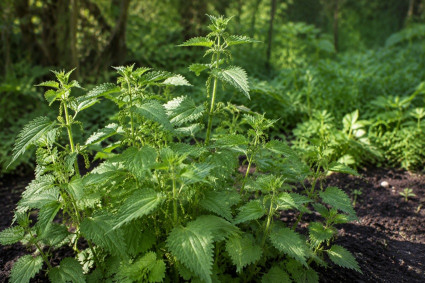
Stinging nettle usually has green leaves that grow in pairs on opposite sides of the stem. The leaves are oval or long and narrow, with pointed tips and sharply toothed edges.
The upright stems may look square or deeply ridged. However, the shape can vary, so do not depend on this feature alone.
Look closely, and you will also notice hairs on the leaves and stems. Some of these hairs cause the plant’s famous sting. When they touch your skin, they may cause burning, itching, redness, or small raised bumps.
The flowers are small and greenish. They grow in clusters that may hang from the plant.
Do not identify nettles by the sting alone. Study several parts of the plant and use a trusted field guide before harvesting it.
Why Does Stinging Nettle Sting?
The tiny stinging hairs help protect the plant.
When your skin brushes against them, the fragile tips can break and release irritating chemicals. This can cause an uncomfortable burning or stinging feeling.
Wear thick gardening gloves, long sleeves, long pants, and closed shoes when harvesting nettles or working around a large patch.
Fortunately, proper cooking softens the stinging hairs and removes their ability to sting.
Is Stinging Nettle Edible?
Yes. Stinging nettle has a long history of use as food.
The young leaves and tender shoots are the parts most often gathered as vegetables. You can cook them and use them like spinach or other leafy greens.
Nettles are also used in soups, teas, pesto, seasoning, and other dishes.
Never eat fresh stinging nettle leaves straight from the plant. They must be prepared correctly so the hairs no longer sting.
What Does Stinging Nettle Taste Like?
Cooked nettle has a green, earthy flavor.
Many people compare it to spinach, although nettle has its own taste and can be slightly bitter.
Young growth is usually more tender and pleasant to eat than older leaves.
Nutrients in Stinging Nettle
One of the biggest benefits of stinging nettle as an edible weed is its nutritional value.
Nettle greens provide fiber and contain minerals such as calcium and manganese [2]. They also contain plant pigments and compounds, including lutein and zeaxanthin.
The leaves provide some protein and other nutrients. However, the exact amounts can vary. The plant’s age, soil, growing conditions, harvest time, and cooking method can all affect its nutrient content.
Young nettle leaves can be an interesting wild green to add to a varied diet.
Stinging Nettle Garden Benefits
Nettle can be useful in a garden, but it needs boundaries.
It spreads through seeds and underground rhizomes. An uncontrolled patch may move into nearby beds and compete with other plants.
Instead of letting nettles grow everywhere, consider setting aside a small area for them.
A patch near the edge of the garden or in a wildlife area may be easier to manage. A large container can also help control the rhizomes, but remove the flowers before they produce seeds if you do not want new plants appearing nearby.
1. Stinging Nettle Supports Butterflies
One of the most valuable garden benefits of stinging nettle is the wildlife it supports. Nettles are important food plants for the caterpillars of several butterflies and moths.
The species that use nettles depend on where you live. In Europe, examples include the red admiral, comma, peacock, and small tortoiseshell. Red admiral caterpillars also feed on nettles in North America.
These butterflies mainly use nettles as host plants for their young. Certain species lay their eggs on the plants. After the eggs hatch, the caterpillars feed on the nettle leaves.
This makes a small nettle patch useful in a wildlife-friendly garden.
2. Nettles Support Other Insects
Butterflies are not the only creatures that use nettles.
Many other small creatures live on or feed on these plants. Nettles may also host aphids, which can attract helpful predators such as ladybugs and lacewings.
This creates a small food web around the plants. A controlled nettle patch can therefore add another layer of life to a garden.
3. Nettles Can Provide Cover
A thick stand of nettles creates dense growth.
This can provide cover for some insects and other small creatures. Birds may also search around nettle patches for insects and other food.
Instead of viewing every wild corner as untidy, gardeners can leave selected areas a little less controlled. These spaces can provide valuable shelter for wildlife.
5. Nettles Can Be Used to Make Garden Feed
Another reason gardeners keep nettles is to make homemade liquid plant feed.
Fresh nettles can be cut and placed in a container. Cover them with water and allow them to break down. The liquid can then be strained and diluted before use.
Nettle liquid may contain nitrogen and other plant nutrients. However, its strength can vary, so it should not replace a complete fertilizer. A soil test can help you learn which nutrients your plants actually need.
Dilute it well and test it on a small area first. Apply it to the soil around plants instead of pouring it over edible leaves.
Nettle liquid can smell very strong while it is breaking down. Cover the container loosely, but do not seal it tightly. Place it away from doors, windows, and sitting areas.
6. Nettles Can Add Nutrients to Compost
You can also add young nettle growth to a compost pile.
Cut the plants into smaller pieces and mix them with other compost materials.
Add only young stems and leaves without seeds or rhizomes. Home compost piles may not become hot enough to kill nettle seeds or rhizomes.
Seeds or living pieces of rhizome may survive and grow into new plants later. Dispose of these parts according to the yard-waste rules in your area.
How Stinging Nettle Grows
Common stinging nettle is a perennial. This means an established plant can return year after year.
It spreads in two main ways: through seeds and underground rhizomes.
These rhizomes are one reason nettles can be difficult to remove after a large patch develops. Even when the growth above the soil is cut down, the underground parts can produce new shoots.
This growth habit makes nettle easy to keep growing. However, it can become troublesome when it spreads beyond its chosen area.
Nettles are often found in rich, moist soil.
They can grow in full sun or partial shade. They are commonly found near streams, woodland openings, field edges, ditches, gardens, and disturbed ground.
Nettles often grow quickly when plenty of moisture and nutrients are available.
Growing Stinging Nettle in the Garden
You do not need a huge patch to enjoy the benefits of nettles. A small, managed area is usually enough.
Nettles can be grown from seeds or established plants. Because they spread through rhizomes, large containers can be helpful when you want tighter control.
If you grow nettles in the ground, check the edges of the patch often. Remove unwanted shoots before they travel too far.
You can also cut off the flowers before they form mature seeds. However, avoid removing all the plants if you are growing them to support butterflies and other wildlife.
Harvesting Stinging Nettle
Young, tender growth is generally preferred for eating.
Put on gloves before harvesting. Use clean scissors or garden pruners to cut the tender tops and young leaves.
Avoid gathering nettles after the plants begin flowering if the leaves have become old, coarse, or tough. Harvesting the youngest growth gives you leaves that are easier to prepare and more pleasant to eat.
Do not harvest from busy roadsides, polluted sites, areas sprayed with herbicides or pesticides, or places where you do not have permission to gather plants.
Keep your gloves on while washing and preparing fresh nettles because the leaves can still sting you.
How to Remove the Sting Before Eating
Cooking makes nettle much easier and safer to eat.
Blanching is one simple method. Place the cleaned nettles in boiling water for about two minutes. Drain them carefully and allow them to cool.
Proper cooking softens the stinging hairs. You can then handle and eat the cooked leaves without their normal sting.
You can add them to recipes in much the same way you would use cooked spinach.
Ways to Use Stinging Nettle in the Kitchen
Cooked nettles work well in many simple dishes.
Try adding them to soup, pasta, rice dishes, egg dishes, sauces, or cooked greens. You can also make nettle pesto, but blanch the leaves first to remove the sting.
If you have never eaten nettles before, start with a small amount. Make sure you know how to identify and prepare them correctly.
Can You Preserve Stinging Nettle?
Yes. You can dry or freeze nettle leaves for later use.
Blanch the leaves before freezing them. Drain away the extra water and place the cooled leaves in freezer-safe containers.
Drying is another option when you want nettles for seasoning or tea. The leaves must be fully dried so the stinging hairs are no longer a problem. Handle them carefully until they are completely dry.
Preserving the spring harvest lets you use nettles after the youngest and most tender growth is gone.
Keep Your Nettle Patch Under Control
A useful plant can still become a troublesome weed.
Stinging nettle grows quickly and can compete with smaller plants. Allowing it to spread through vegetable beds or flower borders can create extra work.
Harvesting the shoots regularly can help control above-ground growth. However, you may also need to remove spreading rhizomes.
A defined wildlife patch or large container makes the plant much easier to manage.
Safety Tips Before Harvesting
Never eat a wild plant unless you are completely sure of its identity. If you are uncertain, ask an experienced local plant expert for help.
Wear gloves and protective clothing when handling fresh stinging nettles.
Do not harvest plants from areas treated with pesticides, herbicides, or other unwanted chemicals. Avoid polluted locations and busy roadsides.
Remember that an edible plant may not be suitable for everyone. If you have allergies, take medication, are pregnant, or have a medical condition, speak with a qualified healthcare professional before adding an unfamiliar wild food to your diet.
Takeaway
Stinging nettle has earned a bad reputation because it can sting when touched. Yet behind those tiny stinging hairs is a surprisingly useful plant.
Young nettles can provide edible greens once properly prepared. The plants support butterflies, moths, insects, and other wildlife. Gardeners can also add young nettle growth to compost or use it to make homemade liquid feed.
The key is control.
Rather than allowing stinging nettle to spread throughout the garden, give it a small space where you can enjoy its benefits while keeping its vigorous growth in check.
Handled carefully, this stinging edible weed can become a useful part of a productive and wildlife-friendly garden.




Add comment