

 Sasha Campbell
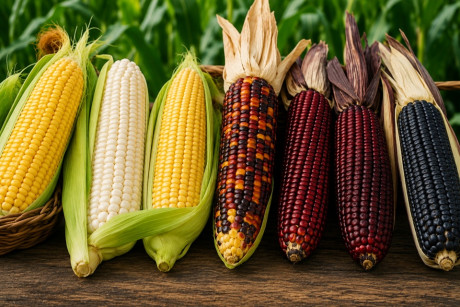
Corn is one of the most popular crops grown worldwide. It is also much more diverse than the yellow ears you often see at the grocery store.
Many different varieties of corn exist. Some are sweet and tender, while others are grown for popcorn, flour, animal feed, or decoration.
Corn can also come in many colors, including yellow, white, red, blue, purple, and even a mix of colors.
Popular Corn Varieties for the Home Garden
If you want to grow corn at home, learning about the different types can help you choose the right one for your garden.
Corn varieties can differ greatly from one another. Some taste best when eaten fresh, while others are better for popcorn, cornmeal, flour, or decoration.
Below are 15 interesting varieties to consider for your garden.
None of the corn varieties on this list are GMO varieties. Some are traditional heirlooms, while others are non-GMO hybrids.
1. Ambrosia Corn
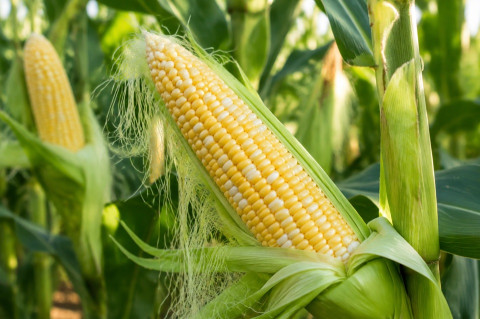
Ambrosia is a popular bicolor sweet corn with both yellow and white kernels. It is known for its tender texture and sweet, juicy flavor.
This hybrid variety produces plump ears that are usually about 8 inches long. Under good conditions, plants can grow about 6 to 7 feet tall.
Ambrosia is a good choice for home gardens because the ears are tasty when eaten fresh. You can boil, steam, roast, or grill them.
For the best flavor, harvest the ears when the kernels are plump and release a milky liquid when gently pierced. Eat or chill the corn soon after picking to help keep its fresh flavor.
2. Golden Bantam Corn
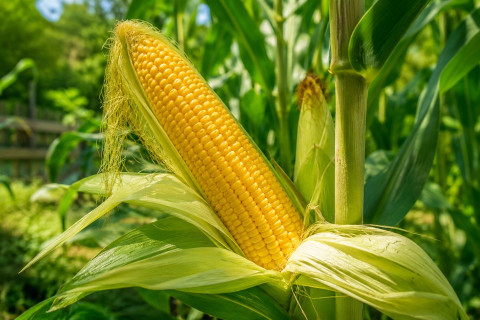
Golden Bantam is a classic yellow sweet corn introduced in 1902. It produces smaller ears than many modern varieties, but gardeners still grow it for its rich, old-fashioned corn flavor.
It is also open-pollinated. This means you can save seeds and grow them again. However, keep it away from other corn varieties if you want the saved seed to stay true to type.
Golden Bantam is a good choice for eating fresh, boiling, grilling, or adding to homemade meals.
3. Silver Queen Corn
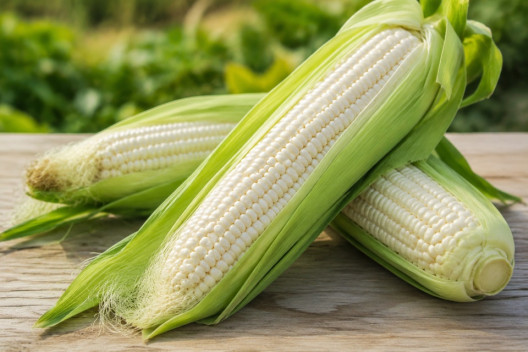
Silver Queen is a well-known hybrid white sweet corn. Its ears are filled with pale, creamy-white kernels that are tender and sweet.
This variety has long been a favorite among home gardeners. The plants grow quite tall and need plenty of sunshine, water, and room.
Silver Queen also takes longer to mature than newer varieties. However, gardeners who enjoy traditional white corn may find that it is worth the wait.
Enjoy it fresh from the garden, boiled, steamed, or grilled.
4. Peaches and Cream Corn
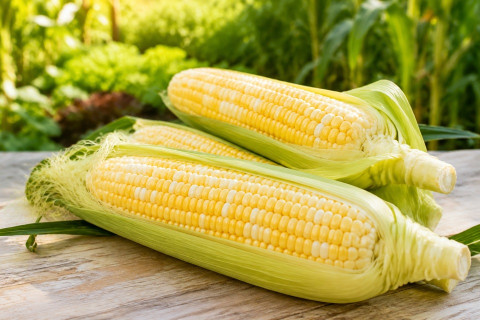
Peaches and Cream is a name used for popular bicolor sweet corn varieties. The ears contain both yellow and white kernels.
It is a sweet corn with tender kernels and a pleasant flavor. The two colors also make the ears attractive when served fresh.
Peaches and Cream is a popular choice for backyard vegetable gardens. Like most sweet corn, it tastes best when picked at the right stage and eaten soon after harvesting.
5. Honey Select Corn
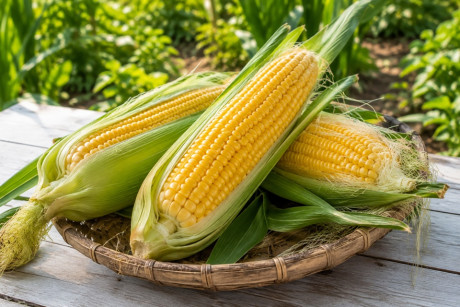
Honey Select is a yellow hybrid sweet corn. It is known for its sweet flavor and tender kernels.
Under good growing conditions, the plants produce large ears. The kernels can also stay sweet longer after picking than many old-fashioned sweet corn varieties.
For the best flavor, eat or chill the ears soon after harvest.
6. Stowell’s Evergreen Corn
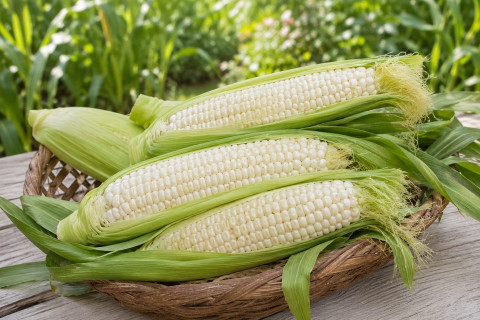
Stowell’s Evergreen is an old white sweet corn variety. It dates back to the 1800s and is still grown by gardeners today.
The ears have white kernels with a traditional corn flavor. The variety earned the name “Evergreen” because the ears were known for holding their eating quality longer than many other corn varieties grown at the time.
It is an open-pollinated variety, making it an interesting option for gardeners who enjoy growing heirloom vegetables and saving seeds.
7. Glass Gem Corn
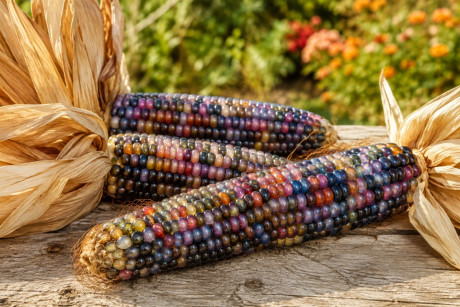
Glass Gem may be one of the most beautiful varieties of corn you can grow.
Its kernels can appear in shades of blue, pink, purple, red, orange, yellow, green, and other colors. Some ears look almost like they are covered with tiny pieces of colorful glass.
Although Glass Gem looks beautiful, it is not a regular sweet corn. It is a type of flint corn.
Once mature and dry, the kernels can be ground into cornmeal. The colorful dried ears are also popular for decoration.
8. Bloody Butcher Corn
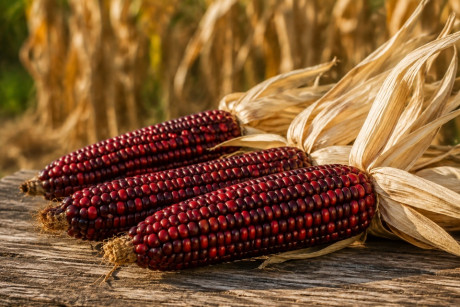
Don’t let the unusual name scare you. Bloody Butcher is an old corn variety known for its deep red kernels.
It is a dent corn rather than a sweet corn.
Once the ears fully mature and dry, you can grind the kernels into cornmeal or flour. The rich red color makes this variety stand out in the garden.
Bloody Butcher plants can also become quite tall, so give them plenty of space to grow.
9. Hopi Blue Corn
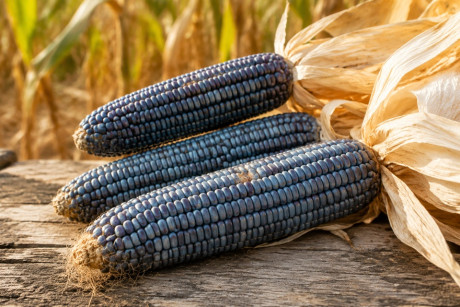
Hopi Blue Corn has beautiful blue to dark purple kernels. It has a long history of cultivation by the Hopi people of the American Southwest.
This is not the type of corn normally picked young and eaten from the cob.
Instead, mature kernels can be dried and ground into meal or flour. Blue cornmeal can be used for foods such as tortillas and other corn-based dishes.
The beautiful color comes from natural plant pigments called anthocyanins.
10. Country Gentleman Corn
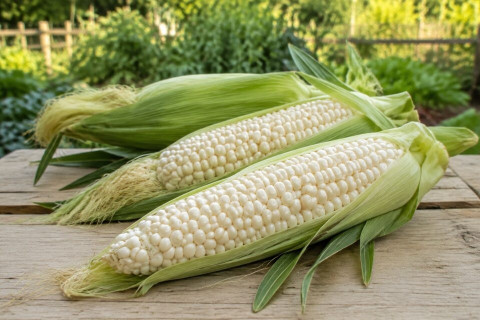
Country Gentleman is an unusual heirloom sweet corn.
Unlike most corn, which has kernels arranged in neat rows, Country Gentleman’s kernels grow in an irregular pattern around the cob. This gives the ears a very different appearance.
The kernels are white, tender, and sweet when harvested at the proper stage.
This variety has been grown since the late 1800s and remains popular with gardeners who enjoy unusual heirloom crops.
11. Hickory King Corn
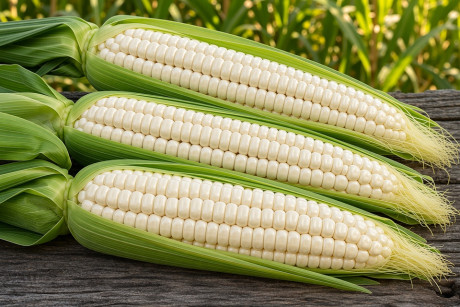
Hickory King is an old heirloom dent corn known for producing very large white kernels.
The ears are generally not harvested like modern sweet corn. Instead, gardeners usually allow the ears to fully mature and dry before using the kernels for cornmeal, hominy, or grits.
The plants can grow tall and need good soil and plenty of sunlight.
Hickory King is worth considering if you want to grow corn for something other than fresh eating.
12. Strawberry Popcorn
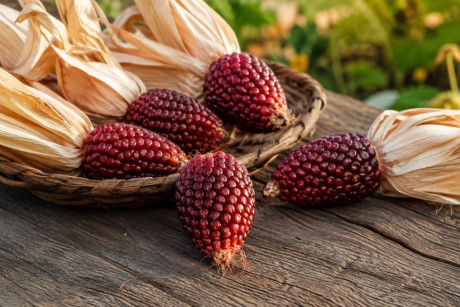
Strawberry Popcorn gets its name from its small, rounded ears, which can look a little like large strawberries.
The kernels are usually deep red or burgundy. Once the ears are fully mature and dry, you can remove the kernels and pop them.
The small colorful ears are also attractive enough to use for fall decorations.
This variety is especially fun to grow because of its unusual appearance and its use as homegrown popcorn.
13. Japanese Hulless Popcorn
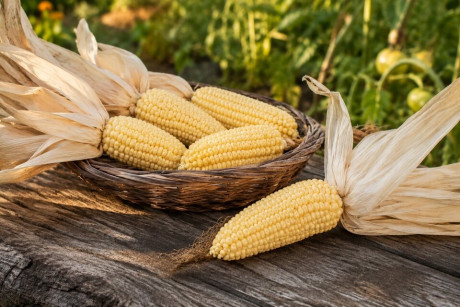
Japanese Hulless is another variety grown mainly for popcorn.
The ears are fairly small and usually contain white kernels. Once they have completely dried, you can remove the kernels from the cob and store them for popping.
Despite its name, “hulless” popcorn still has a hull. However, the popped kernels may have smaller or less noticeable hull pieces than some other types.
Growing your own popcorn can be an enjoyable way to see how different corn can be from regular sweet corn.
14. Oaxacan Green Corn
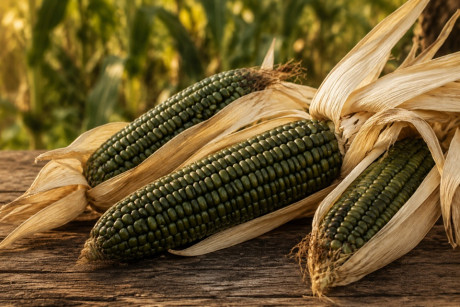
Oaxacan Green is a colorful heirloom corn associated with Oaxaca, Mexico. Its kernels can develop beautiful shades of green.
It is mainly grown for its mature, starchy kernels. Once the ears are fully mature and dry, you can grind the kernels into cornmeal or flour.
The color can vary from ear to ear. For gardeners who enjoy unusual heirloom crops, Oaxacan Green can make an interesting addition to the garden.
15. Painted Mountain Corn
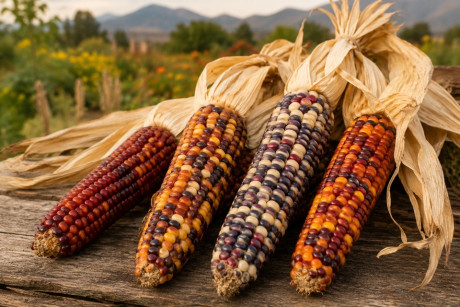
Painted Mountain is a colorful flour corn developed to perform well in areas with short growing seasons and difficult conditions.
Its ears may contain red, blue, purple, orange, yellow, white, and other colored kernels. You can dry the mature kernels and grind them into flour or meal.
Painted Mountain is especially interesting for gardeners who live in cooler areas where the growing season may not be long enough for some late-maturing corn varieties.
Main Types of Corn
Although there are thousands of corn varieties, gardeners often group them by how the kernels grow and how the corn is used.
Sweet corn is the kind most people eat fresh. It is harvested while the kernels are young, juicy, and sweet.
Popcorn has kernels that can burst open when heated. The kernels must mature and dry before they are ready for popping.
Dent corn develops a small dent in the top of the kernel as it dries. People often use it for animal feed, cornmeal, and many processed corn products.
Flint corn has a hard outer layer around the kernel. Many colorful decorative varieties belong to this group.
Flour corn has soft, starchy kernels that are easy to grind into flour or meal.
Knowing which group a variety belongs to is important. A beautiful ear of colorful corn may look delicious, but it may not be meant to be boiled and eaten like sweet corn.
Tips for Growing Different Corn Varieties
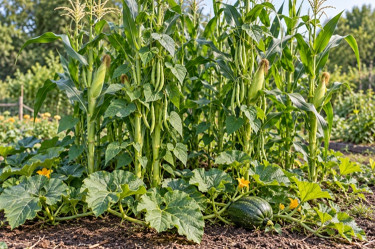
Corn loves warm weather and sunshine. Wait until the danger of frost has passed and the soil has warmed before planting.
Most untreated sweet corn seed grows best when the soil is about 65°F (18°C) or warmer.
Corn is pollinated mainly by wind. For this reason, it is better to grow corn in blocks with several short rows rather than one long, narrow row. This gives pollen a better chance of reaching the silks on nearby plants.
Also, be careful when growing different kinds of corn close together. Corn is pollinated by wind, so pollen can travel from one variety to another.
This can sometimes change the taste, texture, or color of the kernels you harvest. It can be a bigger problem with some types of sweet corn.
You can reduce the chance of cross-pollination by separating varieties or planting them at different times so they don’t release pollen at the same time.
Corn is also a hungry crop. It grows best in rich, fertile soil. Adding compost before planting can help the plants get off to a good start.
Corn also needs steady moisture as it grows, especially when the ears are forming. Water deeply during dry weather and try not to let the soil become very dry.
Choosing the Best Corn for Your Garden
The best corn variety depends on what you want from your harvest.
Choose sweet corn if you want tender ears for boiling, roasting, or grilling. Ambrosia, Golden Bantam, Silver Queen, Peaches and Cream, Honey Select, and Stowell’s Evergreen are some options to consider.
Try Strawberry Popcorn or Japanese Hulless if you want to grow your own popcorn.
If you want corn for grinding into meal or flour, varieties such as Hopi Blue, Oaxacan Green, Hickory King, and Painted Mountain may be better choices.
For gardeners who mainly want something colorful and unusual, Glass Gem is hard to beat.
Where to Buy Corn Seeds
Corn seeds are widely available from garden centers, farm stores, and online seed companies. Look for trusted sellers that clearly name the variety and provide growing information.
Many popular varieties, including sweet corn, popcorn, flour corn, and colorful heirloom corn, can be found online. Seed companies such as SeedsNow and Seed Needs may carry some of these varieties.
Before buying, check the seed packet or product description for days to maturity, plant height, and the type of corn. This will help you choose a variety that fits your garden and growing season.
Takeaway
Growing different varieties of corn can show you just how diverse this crop really is. From creamy white sweet corn to brilliant blue, red, green, and rainbow-colored kernels, there is much more to corn than the familiar yellow ears at the grocery store.




[…] can carry corn pollen over a much greater distance. One type of corn can cross with another type growing […]
[…] pollination is poor, plants may produce fewer fruits, seeds, or grains. Tomatoes, peppers, beans, maize, and other crops may have poor fruit or seed growth during very hot […]
[…] Corn is one of those crops that feels right at home in a backyard garden. Under the right growing conditions, it grows tall and produces generously. […]