

 Sasha Campbell
El Niño is a natural climate event that can change weather worldwide.
It happens when surface water in the central and eastern tropical Pacific Ocean becomes warmer than usual. Winds above the ocean also change.
These changes can affect heat and rainfall in places far from the Pacific. Some areas may become hotter and drier. Others may receive heavy rain. This can affect crops, farm animals, fisheries, and the food we eat.
Not every El Niño event is the same. Its effects depend on its strength, the season, and the location.
El Niño does not control every storm, drought, or flood. Instead, it raises the chance of certain weather conditions.
What Is El Niño?
El Niño is one part of a natural climate pattern called the El Niño–Southern Oscillation, or ENSO. It happens every few years, but it does not follow a fixed schedule.
During El Niño, warm ocean water and changing winds affect the movement of air above the Pacific. This can shift normal weather patterns worldwide. The results may include drought, extreme heat, heavy rain, flooding, or changes in storms.
El Niño does not cause the same weather everywhere. It may bring dry weather to parts of Australia, Southeast Asia, southern Africa, and Central America.
It can bring more rain to the Horn of Africa and coastal parts of Peru and Ecuador during certain seasons. The effects can even differ within the same country [1].
How El Niño Can Increase Drought Risk
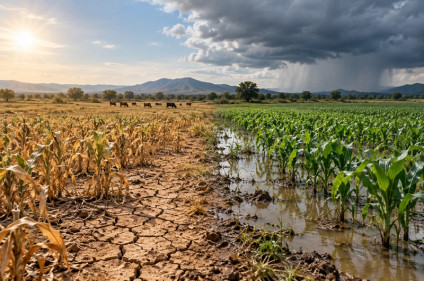
Drought is one of the most serious El Niño effects on agriculture. Some farming areas may receive little rain for weeks or months. Rivers, ponds, wells, and reservoirs may begin to dry up.
Seeds need moisture to sprout. Without enough rain, farmers may have to delay planting. Seeds already in the ground may fail to grow. Young plants may wilt, while older plants may produce smaller harvests.
Maize, rice, beans, wheat, and other important food crops can suffer during a long drought. Fruit trees may drop their flowers or young fruit. Vegetables may grow slowly or produce smaller crops.
Dry soil may become hard and cracked. When the ground has little plant cover, strong winds may carry away valuable topsoil. If the drought continues, farmers may not have enough water to save their crops.
Heavy Rain and Flood Damage
El Niño can bring too little rain to one area and too much rain to another. Heavy rain may flood farms, wash away seeds, and damage young plants.
Plant roots need water, but they also need air. When soil stays flooded, air cannot reach the roots easily. The roots may weaken or begin to rot. Warm, wet conditions may also help some plant diseases spread.
Floodwater can contain waste, fuel, farm chemicals, or harmful germs. Food touched by dirty floodwater may not be safe to eat.
Floods can also damage roads and bridges, making it harder for farmers to buy supplies or take food to market [2].
Extra rain is not always harmful. A dry region may benefit from gentle, steady rain. The result depends on how much rain falls, how quickly it falls, and how well the soil drains.
Heat Stress on Crops
El Niño can bring warmer weather to some farming areas. However, not every region will become hotter.
Extreme heat causes plants to lose water faster. Crops may wilt even when the soil has some moisture. They may need more water to stay healthy.
Heat can also damage flowers and pollen. If pollination is poor, plants may produce fewer fruits, seeds, or grains. Tomatoes, peppers, beans, maize, and other crops may have poor fruit or seed growth during very hot weather.
Hot weather may make a plant mature faster. This might sound helpful, but the plant may have less time to form large fruits, roots, or grains. This can lead to a smaller harvest [3].
Effects on Farm Animals
El Niño can affect cattle, goats, sheep, chickens, and other farm animals. During a drought, grass and other pasture plants may stop growing. Farmers may then have to buy more feed.
Water may become scarce or unsafe. Animals that do not receive enough clean water may lose weight, produce less milk, or become sick.
Extreme heat also stresses livestock. Animals may eat less as they try to stay cool. Dairy cows may produce less milk, and chickens may lay fewer eggs.
Floods create different problems. Wet animal pens can become muddy and dirty, increasing the risk of disease.
Floodwater may also destroy stored feed or force farmers to move animals to safer land [1].
Pests and Plant Diseases
Changes in heat and rain can affect insect pests and plant diseases.
Hot or dry conditions may help some pests increase. Warm, wet weather may help certain fungal and bacterial diseases spread.
Weak plants are often less able to handle an attack. A crop already suffering from drought may be badly damaged by insects. A flooded crop may become more open to root diseases.
However, pest changes are hard to predict. Heavy rain may wash some insects off plants, while dry weather may slow certain diseases. Farmers should check their crops often instead of assuming that every pest or disease will increase.
Effects on Fisheries
El Niño can affect fishing as well as farming. This effect can be very strong in the eastern tropical Pacific Ocean, especially near the Pacific coast of South America.
Under normal conditions, cold water rises from deep in the ocean. This water carries nutrients that feed tiny living things called phytoplankton. Phytoplankton supports the ocean food chain, including many kinds of fish.
During El Niño, the rise of cold, nutrient-rich water may weaken. With fewer nutrients near the surface, there may be less plankton.
Some fish move to cooler or deeper water, while others decline in number. This can reduce catches and income for fishing communities [4].
Changing currents and warm ocean water may also affect shellfish, seabirds, and other sea life. Because fish provide food and income for many people, these changes can affect the wider food system.
The El Niño Food Impact
Understanding the el nino food impact is important because the effects can be felt far beyond the farm.
When crop yields fall, less food may reach local markets. If supplies fall, prices of rice, maize, vegetables, meat, milk, and other foods may rise.
Prices are also affected by stored food, imports, transport costs, fuel prices, and harvests in other countries. This means that El Niño does not always cause food prices to rise everywhere.
Families with limited money may find it harder to buy enough healthy food. Farmers may lose income while facing higher costs for water, animal feed, seeds, and fuel.
One poor harvest can also affect the next growing season. A farmer may have fewer seeds to plant or less money to repair tools and irrigation systems.
Livestock may remain in poor condition, and damaged soil may take time to recover. FAO warns that the damage caused by El Niño can continue into later planting seasons [1].
Can El Niño Help Agriculture?
El Niño is not harmful everywhere. Some dry regions may receive useful rain. This may refill reservoirs, help restore local water supplies, and support pasture growth.
Warmer winters may also reduce cold damage in some farming areas. However, some fruit trees need a certain amount of cold weather. Without it, they may not flower or produce fruit well.
Farmers should follow local forecasts because a general El Niño warning cannot show exactly what will happen on every farm.
How Farmers Can Prepare
Farmers can use weather reports and seasonal forecasts to help them decide when to plant and which crops may be safer to grow.
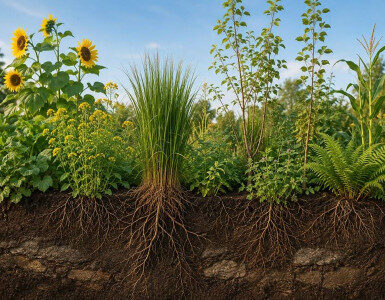
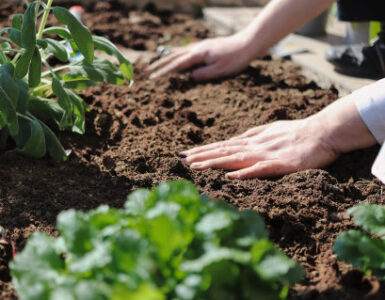
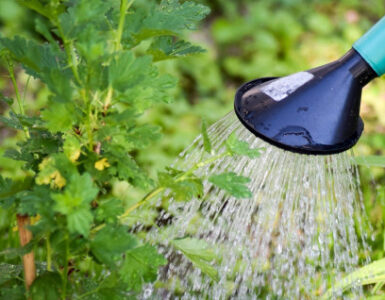
In drought-prone areas, they can collect rainwater, repair leaks, mulch the soil, and use drip irrigation where possible. Compost can help healthy soil hold moisture, but it cannot replace rain or irrigation during a severe drought.
Farmers can also grow more than one type of crop. If one crop fails, another may survive. Locally suitable, early-maturing, drought-tolerant, or flood-tolerant varieties may lower the risk.
Where heavy rain is expected, farmers can clear drains, raise planting beds, protect stored seeds, and move animals away from low ground. They should also check crops for pests and diseases throughout the season.
Takeaway
El Niño can change rainfall, heat, winds, and ocean conditions. These changes may raise the risk of drought, floods, crop damage, livestock losses, smaller fish catches, and higher food prices.
Effects vary by region. That is why local forecasts and early planning are important.
Farmers cannot stop El Niño, but they can take steps to protect their soil, water, crops, animals, and income.
Preparing early may help farmers save part of their harvest and keep enough food and seed for the next growing season.




Add comment