

 Sasha Campbell
Corn, beans, and squash can share one garden patch. The key is to choose suitable plants, leave enough space, and give each crop a good start.
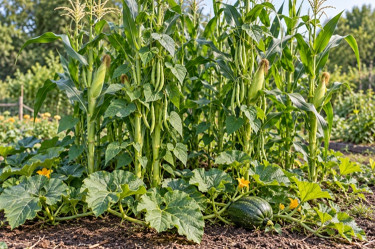
The three sisters planting method brings these crops together. Corn gives climbing beans support. Squash spreads across the ground and helps shade the soil.
This method still needs good soil, water, and regular care. With a little planning, you can grow three useful crops in one sunny space.
What Is the Three Sisters Planting Method?
Three sisters planting is a form of companion planting. This means growing different crops near each other so they can share space or offer helpful benefits.
Many Indigenous peoples of the Americas have grown corn, beans, and squash for centuries. Their methods vary with local weather, soil, and traditions. The name “Three Sisters” comes from the Haudenosaunee tradition [1].
There is no single layout that works everywhere. Home gardeners can learn from this method and choose a setup that suits their space.
How Corn, Beans, and Squash Work Together
Each crop grows in a different way. These growth habits help the plants share the garden.
Corn Supports Climbing Beans
Corn grows tall and provides stalks for pole beans to climb. This can reduce the need for a separate bean support.
However, corn needs a head start. Fast-growing beans can cover young corn or weigh down weak stalks. Choose tall, sturdy corn and beans with lighter vines.
Beans Can Help Improve the Soil
Beans work with helpful bacteria in small lumps on their roots. These bacteria turn nitrogen from the air into a form the bean plant can use. Nitrogen is a nutrient that helps plants grow.
However, beans do not supply all the nitrogen nearby corn needs. Much of that nitrogen stays inside the bean plants. Some becomes available to other plants as roots, leaves, and stems break down [2].
Corn still needs enough nutrients in the soil to grow well.
Squash Shades the Ground
Squash leaves spread out and shade the soil. This can slow weed growth and help reduce moisture loss.
The leaves act as a living cover, but they do not stop every weed. The plants also use water, so shaded soil still needs regular checks.
How to Start a Three Sisters Garden
The steps below offer one simple way to begin. Other three sisters gardens use different layouts and planting times.
1. Choose a Sunny Spot
Choose a place that gets at least six hours of direct sun each day. Eight hours or more is even better.
Make sure water can drain away after rain. Avoid spots where puddles remain for a long time.
Leave room around the patch so you can water, check plants, and pick crops without stepping on squash vines.
2. Prepare the Soil
Pull weeds and mix finished compost into the soil. Use compost that has broken down well.
A soil test can show which nutrients your garden needs. Use the results to guide feeding, especially for corn. Do not depend on beans to feed it.
Some traditional layouts use raised soil mounds. These can help with drainage in wet places. In dry areas, flat beds or shallow basins may help hold water.
Choose a setup that suits your soil and rainfall.
3. Choose Suitable Seeds
Pick tall corn with strong stalks. Corn grown for drying, such as flour or dent corn, often suits this method.
Sweet corn can also work, but some types may struggle under heavy bean vines.
Choose pole beans with lighter growth so they are less likely to weigh down the corn. Bush beans can grow nearby, but they will not climb the stalks.
For squash, check how far the vines spread. Long-vined types need plenty of room. Compact types fit smaller spaces, but they cover less ground.
Make sure all three crops have enough time to finish growing in your local season. Allow for planting the beans and squash later than the corn.
4. Plant the Corn First
Plant corn after frost danger has passed and the soil has warmed. In frost-free areas, follow your local planting season.
Plant corn in a block rather than one long row. Four or more short rows are a useful option. Groups of corn planted on several mounds can also form a block.
Wind carries pollen between corn plants. Growing them in a block helps the ears fill with kernels [3].
Follow the seed packet for depth and spacing. Water after planting, then keep the seed area moist while sprouts appear.
5. Add the Pole Beans
Wait until the corn is growing well and is about six inches tall before planting beans. This may take two to three weeks or longer. Use the corn’s growth as your guide.
Plant bean seeds about four to six inches from the corn stalks. Follow the bean packet for spacing between seeds. Avoid crowding many vines around one stalk.
Gently guide young bean vines toward the corn. If the stalks start bending under their weight, add a separate bean support.
6. Plant the Squash
Add squash after the corn and beans have started growing well.
Place it along the outer edges or between groups of corn. Follow the squash packet for spacing because plant sizes vary greatly.
Guide spreading vines away from young seedlings and keep paths clear. Planting in stages helps prevent large squash leaves from shading the other crops too soon.
Caring for Your Three Sisters Garden
Check the soil often during hot or dry weather. Water deeply enough to reach the roots, but avoid leaving the ground soaked.
Aim water at the soil. Pull weeds while they are small, before squash leaves cover much of the bed.
Feed plants as needed, using your soil test and fertilizer label as guides. Corn may need extra nitrogen as it grows. Avoid adding more fertilizer than the plants need.
Check leaves, stems, ears, pods, and squash for pests. Three sisters planting does not guarantee protection from insects or animals.
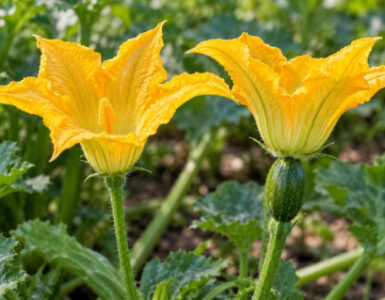
Bees and other insects help pollinate squash flowers. Avoid spraying products that could harm them while they visit blooms.
When to Harvest Your Crops
Pick snap beans while the pods are tender, before the seeds become large. For dry beans, let the pods turn brown and dry.
Harvest sweet corn when the kernels are plump and release milky juice when pressed. Corn grown for drying stays on the stalk until the ears mature and dry.
Pick summer squash while young and tender. Harvest winter squash when it reaches the color expected for its type and its rind is hard. Check the variety’s harvest signs.
Use pruning shears to cut winter squash from the vine, leaving a few inches of stem attached. Handle it gently and avoid carrying it by the stem [4].
Is Three Sisters Planting Right for Your Garden?
This method works best when corn has room to grow in a group and squash has space to spread.
Leave clear paths if you grow snap beans or sweet corn, since you will need to reach them at harvest time.
In a tiny garden, separate bean supports may make care and picking easier. Whatever layout you choose, give each crop enough sunlight, water, nutrients, and room to grow.




[…] Corn, squash, and beans (three sisters) work well when planted together [1]. The corn allows the beans to climb its stalks. […]