

 Sasha Campbell
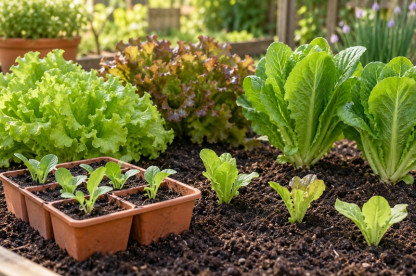
Lettuce is one of the easiest vegetables to grow at home. It grows quickly, needs little space, and does well in garden beds, raised beds, and containers. You can even grow it on a sunny balcony or patio.
Loose-leaf lettuce is often the easiest type for beginners. You can pick the outer leaves while the plant keeps growing. Romaine, butterhead, and crisphead lettuce are also good choices, but they usually take longer to mature.
This guide explains how to grow lettuce at home from seeds and seedlings.
When Is the Best Time to Grow Lettuce?
Lettuce is a cool-season vegetable. Most types grow best when temperatures stay between 50 and 70°F (10 and 21°C). Lettuce can handle cooler weather, but it may grow slowly. Some heat-tolerant types can grow in slightly warmer weather.
Plant lettuce in early spring or fall if you live in a cool or mild area. You can often sow the seeds two or three weeks before the last spring frost. In warm climates, grow lettuce during the coolest months of the year.
Lettuce seeds sprout best when the soil is between 55 and 65°F (13 and 18°C). They may not sprout well when the soil is hotter than 80°F (27°C) [1].
Heat and long summer days can make lettuce bolt. Bolting happens when the plant grows a tall flower stalk and starts making seeds. Once this happens, the leaves often become tough and bitter [2].
Choose a spot that receives about six hours of sunlight each day. In cool weather, lettuce can grow in full sun. In warm weather, light afternoon shade can help keep the plants cool.
Choose the Right Type of Lettuce
Loose-leaf lettuce grows quickly and does not need to form a head. Popular choices include red leaf, green leaf, and oakleaf lettuce.
Romaine lettuce grows upright and has crisp leaves. Butterhead lettuce forms a soft, loose head. Crisphead lettuce, such as iceberg, forms a firm head but needs more time and cooler weather.
Check the seed packet or plant label before buying. Choose a type that suits your climate, available space, and preferred harvest method.
Prepare the Soil
Lettuce grows best in loose, rich soil that drains well. The soil should hold some moisture without staying wet and soggy.
Mix aged compost into the top few inches of soil before planting. Compost adds nutrients and helps the soil hold moisture. Lettuce prefers soil with a pH between about 6.0 and 7.0.
If you are planting in a container, use a good-quality potting mix. Do not use heavy garden soil in pots because it may become packed and drain poorly.
Remove weeds, stones, and hard clumps from the planting area. Smooth the surface so the small seeds do not fall into deep cracks.
How to Grow Lettuce From Seeds
You can plant lettuce seeds directly in the garden or start them indoors. Direct sowing is simple, while starting seeds indoors can give you an earlier harvest.
To sow outdoors, make shallow rows about ¼ to ½ inch deep. Check the seed packet because the correct depth can vary by variety.
Place the seeds thinly along each row. Cover them with a light layer of soil and water gently. Keep the soil damp while the seeds are sprouting.
Lettuce seeds often sprout in about 7 to 10 days when the soil is cool and moist. Some may sprout sooner. Very hot or cold soil can slow or stop germination [1].
Starting Lettuce Seeds Indoors
Start lettuce seeds indoors about four to six weeks before you plan to move them outside.
Fill small pots or seed trays with moist seed-starting mix. Place one or two seeds in each cell and cover them lightly.
Once the seedlings appear, place them near a bright window or under a grow light. Leave the grow light on for about 14 to 16 hours each day. Follow the light maker’s directions for the correct distance. A light that is too far away can cause tall, weak seedlings.
Keep the mix slightly moist but not soaked. Good airflow can help prevent fungal diseases. If two seedlings grow in one cell, keep the stronger one and cut the weaker one at soil level.
Before transplanting the seedlings, harden them off. Place them outside in a sheltered spot for one or two hours on the first day. Slowly increase their time outdoors over seven to ten days.
How to Grow Lettuce From Seedlings
Choose short, healthy seedlings with green leaves. Avoid plants that are wilted, yellow, badly damaged, or already growing flower stalks.
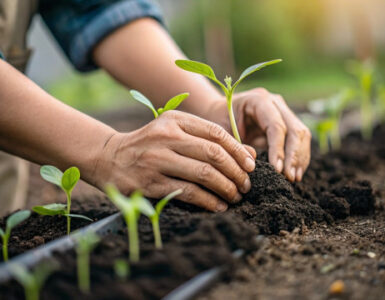
Water the seedlings before transplanting them. Dig a hole that is about the same depth as the plant’s root ball. Carefully remove each seedling from its container while keeping the soil around its roots.
Place the seedling in the hole at the same depth it was growing in its pot. Do not bury the center of the plant. Press the soil gently around the roots and water well.
Transplant on a cloudy day or during the late afternoon if possible. This gives the seedlings time to settle before they face strong sunlight.
Space the seedlings based on the type of lettuce you are growing. Use the distances given in the next section.
Spacing and Thinning Lettuce Plants
Lettuce plants need enough room for light and fresh air to reach their leaves. Crowded plants may stay small and may be more likely to develop disease.
Thin young plants after they grow three or four true leaves. True leaves appear after the first seed leaves and look more like mature lettuce leaves.
Use these general spacing guides:
- Baby-leaf lettuce: 2 to 3 inches apart
- Loose-leaf lettuce: 4 to 6 inches apart
- Butterhead and romaine lettuce: 8 to 10 inches apart
- Large head lettuce: 10 to 12 inches apart
Head lettuce is commonly spaced about 8 to 12 inches apart.1 Check the seed packet because large varieties may need more room.
If you are planting lettuce in rows, leave about 12 to 18 inches between the rows. This gives you room to care for and harvest the plants.
Use small scissors to cut unwanted seedlings at soil level. Pulling them may disturb nearby roots. You can eat the clean, healthy seedlings removed during thinning.
Growing Lettuce in Containers
Choose a container that is at least 6 to 8 inches deep and has drainage holes. Wider pots can hold several plants when they are spaced correctly.
Fill the container with fresh potting mix and place it where the lettuce will receive enough light. Containers dry out faster than garden beds, so check the soil often. Never leave the pot standing in water.
You can also grow lettuce indoors near a bright window or under a grow light. Loose-leaf types are often the best choice for indoor growing [3].
How to Water and Feed Lettuce
Lettuce needs steady moisture to produce tender leaves. Dry soil may slow growth and cause tough leaves or poor flavor.
Lettuce usually needs about 1 to 2 inches of water each week. However, the amount may change based on the weather, soil, and container size [4].
Water when the top inch of soil starts to feel dry. If possible, apply water near the base of the plants. When using a sprinkler or watering can, water early in the day so the leaves can dry before night.
A thin layer of clean straw or shredded leaves can help the soil stay cool and moist. Keep the mulch away from the center of each plant.
Lettuce may not need fertilizer if it grows in soil mixed with compost. If the leaves look pale or growth is slow, first check the water and sunlight.
If the plants still need help, use a fertilizer made for leafy vegetables or follow the results of a soil test. Never use more than the label recommends.
Common Lettuce Problems
Slugs and snails may chew holes in the leaves. Hand-pick them in the evening or early morning. Remove boards, weeds, and wet debris where they may hide.
Aphids are tiny insects that gather on young leaves. A gentle spray of water can knock them off. Check the undersides of the leaves often.
Crowded plants and wet leaves can lead to disease. Give the plants enough space, water near the soil, and remove badly damaged leaves.
If a plant grows a flower stalk, harvest it soon. Bolting cannot be reversed, and the leaves may quickly become bitter.
How Long Does Lettuce Take to Grow?
Baby lettuce leaves may be ready in about 25 to 40 days. Many loose-leaf types take about 40 to 60 days to reach full size. Head lettuce often takes 60 to 80 days or longer.
The exact growing time depends on the variety, temperature, sunlight, and other growing conditions. Check the seed packet for the expected harvest time.
When and How to Harvest Lettuce
Harvest baby lettuce when the leaves are about 3 to 4 inches tall. Use clean scissors to cut a few outer leaves from each plant. Leave the center untouched so the plant can keep growing.
For a larger harvest, cut loose-leaf lettuce about 1 inch above the soil. Leave the growing center in place. The plant may produce another smaller crop of leaves.
Harvest head lettuce when it reaches full size. Crisphead lettuce should feel firm, while butterhead lettuce will remain softer and looser. Cut the plant near its base with a clean knife.
Pick lettuce in the morning when the leaves are cool and crisp. Throw away lettuce that is slimy, badly diseased, or touched by animal waste. Washing may not make badly contaminated leaves safe to eat.
Wash healthy leaves under clean running water and dry them well. Store them in the refrigerator inside a clean container or bag with a dry paper towel.
Plant More Seeds for a Steady Harvest
Instead of planting all your lettuce seeds at once, sow a small amount every two or three weeks. This method is called succession planting.
Succession planting gives you young plants at different stages. It can provide fresh lettuce over a longer period instead of one large harvest.
Growing lettuce at home is simple and rewarding. Give the plants rich soil, steady moisture, enough space, and protection from strong heat. Whether you begin with seeds or seedlings, you can soon have crisp leaves for salads, sandwiches, and other meals.

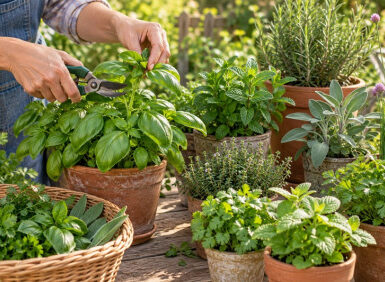
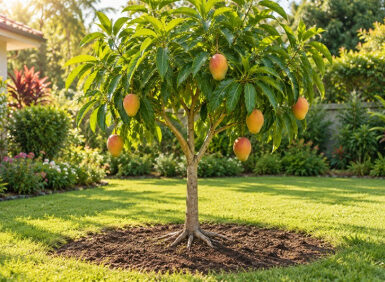



[…] You can grow your lettuce even better by choosing plants that grow well with it. Not only will this give you a great assortment of vegetables, fruits, and herbs, but it will also enhance crop growth. […]
[…] Lettuce […]