

 Sasha Campbell
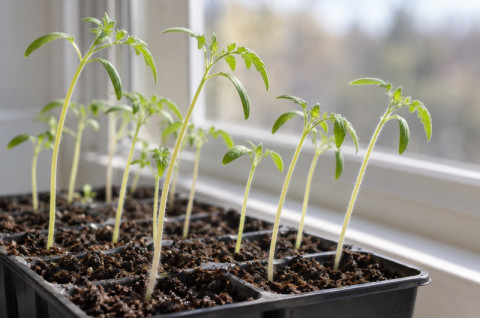
Your seeds have sprouted, and tiny leaves are starting to show. But instead of growing into strong little plants, your seedlings look tall, thin, and weak. Some may even lean over the edge of the tray.
So, why are your seedlings tall and leggy?
Too little light is the main cause. Young plants stretch toward light, leaving them with long, thin stems. Too much warmth and crowded growing spaces can make the problem worse.
The good news is that some leggy seedlings can recover. Finding the cause early gives them a better chance.
What Do Leggy Seedlings Look Like?
A leggy seedling has a stem that looks too long and thin for its leaves. It may bend, lean, or struggle to stand upright.
Common signs include:
- Long, skinny stems.
- Wide gaps between leaves as the plant grows.
- Small leaves on a tall stem.
- Plants leaning toward a window.
- Stems that bend easily.
Height alone does not mean something is wrong. Some plants are naturally taller than others. Compare seedlings of the same crop and age when possible.
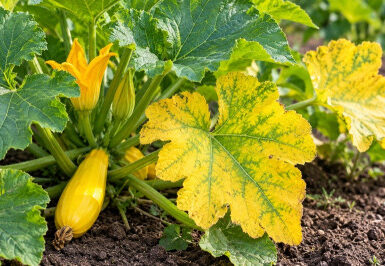
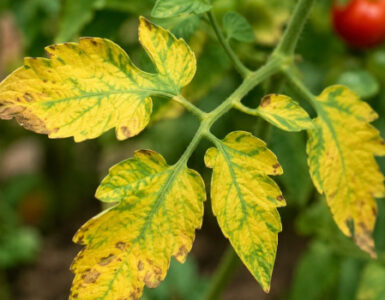
Low light may also cause pale leaves. However, pale leaves can have other causes, so check the whole plant before deciding what is wrong [1].
Why Are My Seedlings Tall and Leggy?
Start by checking the light, warmth, and space around your plants. These common problems can leave young seedlings stretched and weak.
1. They Are Not Getting Enough Light
A room that looks bright to you may still be too dark for seedlings.
Young plants use light to make food. When light is weak, their stems stretch as they try to reach it. This often happens when seed trays sit far from a window or in a shaded spot.
You may notice the whole tray leaning toward the window. Turning the tray can help plants grow more evenly, but it cannot make up for weak light.
Grow lights can help, but their position matters. If a lamp hangs too high, the light reaching the leaves may be too weak. The seedlings can still stretch, even when the lamp stays on for many hours.
Check the instructions for your light. The right distance depends on its type and power. Strong LED panels may need more space than small seed-starting lights.
Seedlings also need enough hours of light. Short days, cloudy weather, curtains, and nearby buildings can reduce the light they receive.
For many vegetable seedlings grown under lights, 14 to 16 hours of light each day is a useful starting point. Give them a dark period each night, too [2].
Light strength and time work together. A weak lamp may not provide enough light simply because you leave it on longer.
2. The Growing Area Is Too Warm
Warm soil helps many seeds sprout. After sprouting, though, some seedlings grow better in somewhat cooler conditions.
Too much warmth, especially with weak light, can encourage stretched growth.
Check whether your tray sits beside a heater, on a hot windowsill, or under a cover that traps heat. Even a small growing space can get warmer than you expect.
If you use a heat mat, check whether it is still needed after sprouting. If the room is warm enough for your crop, you may be able to turn it off.
Remove the clear tray cover once sprouts appear. This lets heat and trapped moisture escape.
Avoid moving seedlings into a cold spot. Tomatoes, peppers, lettuce, and other crops have different needs, so follow the advice for the plant you are growing.
3. Too Many Seedlings Are Growing Together
A packed tray may look healthy at first. But as leaves grow, they can shade nearby plants.
Crowding also makes it harder to care for each seedling. Roots may become tangled, making plants harder to separate later.
For most vegetable seedlings grown in small cells, keep one strong plant per cell. Snip extra seedlings at the soil surface with clean scissors.
Pulling them out may disturb the roots of the plant you want to keep [3].
Space pots so the leaves do not pile over each other. If plants are getting too large for their pots, check whether your crop is ready for a larger container or the garden.
4. You Started Seeds Too Early
Starting seeds too early does not always cause leggy growth. But it may leave plants indoors longer than planned.
As they grow, seedlings can become crowded or outgrow the space under your lights. Keeping them healthy becomes harder when your setup is too small.
Follow the seed packet’s timing for your crop. Work back from an outdoor planting date that suits your local weather.
A younger, sturdy plant may be easier to handle than an older plant with weak, stretched stems. Starting early is only helpful when you can provide good growing conditions.
How to Fix Leggy Seedlings
Start by improving the light. Move the tray to a suitable brighter spot or adjust your grow lights. Make sure the light reaches plants along the edges as well as those in the middle.
Then check warmth and spacing. Fixing one problem may not help much if the others remain.
Watch the new growth over the next several days. The long part of the stem will not shrink. Instead, look for stronger growth and a plant that holds itself up better.
Check the potting mix before watering. Water when the top starts to feel dry, but do not let the whole pot dry out. Let extra water drain away, and empty it from the tray.
Do not add extra fertilizer just because stems look weak. Too much can harm young plants, and it cannot replace light.
Move Seedlings Outdoors Slowly
Do not move indoor seedlings straight into strong outdoor sun.
Start with a few hours in a sheltered, shaded spot. Over about one to two weeks, give them more outdoor time and sunlight. Protect them from strong wind and cold weather.
This slow change is called hardening off. It helps seedlings adjust to outdoor conditions [4].
Can You Bury Leggy Seedlings Deeper?
Healthy tomato seedlings can grow new roots along buried sections of stem.
Remove the lowest leaves if needed, then cover part of the bare stem with soil when planting. Keep all remaining leaves above the soil [5].
Do not use this method for every vegetable. Check planting advice for your crop before burying its stem.
When Should You Start Again?
A seedling that leans over may still recover if its stem is healthy. Improve its growing conditions and watch the new growth.
If the stem is broken, badly damaged, or rotting, starting again may be the better choice.
Check seedlings that suddenly fall over. A soft, dark, or pinched stem at the soil line may be a sign of damping-off disease. These seedlings rarely recover [6].
Remove affected plants and their potting mix. Wash dirt from the containers, then disinfect them with a suitable product. Follow its label directions and use fresh potting mix when starting again.
Strong seedlings need good light, enough space, and the right warmth. Check your trays each day so you can catch stretching early and give your young plants a better start.





Add comment