

 Sasha Campbell
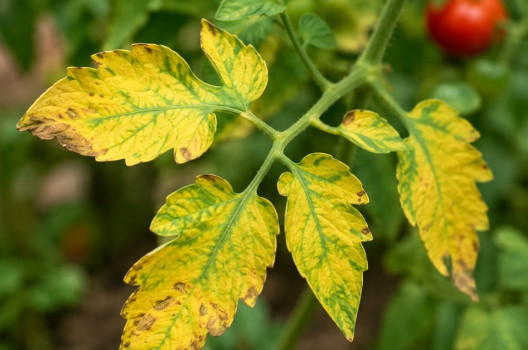
Tomato plants are usually easy to grow, but yellow leaves can quickly worry gardeners. Healthy tomato leaves should be green and strong. When the leaves start turning yellow, it is often a sign that the plant is having a problem.
Yellow leaves do not always mean your tomato plant is dying. Sometimes, older leaves naturally turn yellow as the plant grows. However, if many leaves are changing color, curling, or falling off, your plant may need help.
The good news is that many common tomato problems can be fixed naturally. By understanding what causes yellow leaves, you can help your tomato plants grow healthier and produce more delicious tomatoes.
Reasons Your Tomato Leaves Are Turning Yellow and Natural Fixes
Yellow tomato leaves are a common problem that can happen for many reasons, from watering mistakes to nutrient shortages and pests.
Learning the cause can help you choose natural ways to restore your plant’s health and encourage better growth.
1. Older Leaves
One of the simplest reasons tomato leaves turn yellow is because they are old.
As tomato plants grow taller, the lower leaves may stop getting enough sunlight. The plant no longer needs these older leaves, so they slowly turn yellow and drop off.
This is a normal part of the plant’s life cycle. If only the bottom leaves are yellow and the rest of the plant looks healthy, there may be no problem.
You can remove old yellow leaves to improve air movement around the plant. This can also help prevent the spread of diseases.
2. Lack of Nitrogen
Nitrogen is one of the most important nutrients for tomato plants [1]. It helps plants make healthy green leaves and grow strong stems.
When a tomato plant does not get enough nitrogen, the older leaves often turn pale green and then yellow. The plant may also grow slowly and have smaller leaves.
A natural way to add nitrogen to your garden is by using compost, aged manure, or organic fertilizers. Compost made from kitchen scraps and garden waste slowly releases nutrients into the soil.
You can also use a thin layer of untreated grass clippings as mulch. As they break down, they slowly return nutrients to the soil.
Avoid adding too much nitrogen, though. Too much nitrogen can cause lots of green leaves but fewer tomatoes.
3. Overwatering
Tomatoes need water, but too much water can cause problems.
When the soil stays wet for too long, tomato roots cannot get enough oxygen. The roots may become weak and unable to take in nutrients properly. This can make the leaves turn yellow.
Overwatered tomato plants may also have leaves that look soft, wilted, or droopy.
To fix this problem, allow the soil to dry slightly before watering again. Make sure your garden soil drains well.
Adding compost can help improve soil structure and allow excess water to drain away from the roots.
Growing tomatoes in raised beds or containers with drainage holes can also help prevent water problems.
4. Underwatering
Not giving your tomato plants enough water can also cause yellowing.
When tomatoes do not get enough moisture, the plant becomes stressed. The leaves may turn yellow, curl, or become dry around the edges.
Tomatoes need regular watering, especially during hot weather. The soil should stay slightly moist but not soaked.
A layer of mulch around the base of the plant can help keep moisture in the soil. Materials like straw, dried leaves, or grass clippings can work well.
Water your tomatoes near the soil instead of spraying the leaves. Wet leaves can increase the chance of fungal diseases.
5. Poor Soil
Tomatoes grow best in rich, nutrient-dense soil. If the soil is poor, the plant may struggle and develop yellow leaves.
Before planting tomatoes, it is helpful to add organic matter such as compost. Compost improves the soil and provides many nutrients plants need.
You can also add natural soil helpers, such as worm castings or aged manure, to improve fertility.
Testing your soil can also help you understand what nutrients may be missing.
6. Magnesium Deficiency
Magnesium helps tomato plants make chlorophyll, which gives leaves their green color.
When tomato plants lack magnesium, the older leaves may turn yellow between the veins while the veins remain green [2].
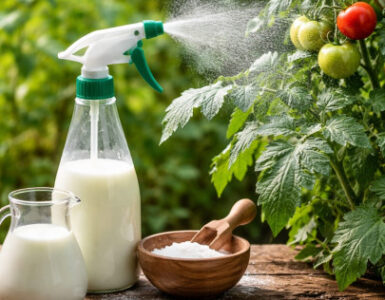
If a soil test or plant symptoms show a magnesium deficiency, Epsom salt can help add magnesium. However, it should not be used as a regular tomato fertilizer, as excessive use can disrupt the soil’s nutrient balance.
Compost and properly balanced organic fertilizers are often better long-term solutions.
7. Iron Deficiency
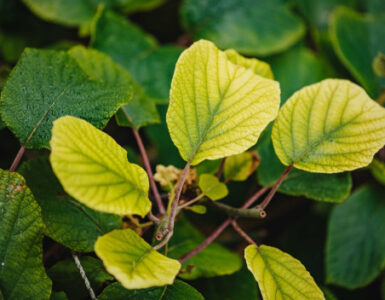
Iron helps plants make chlorophyll. When tomatoes lack sufficient iron, young leaves may turn yellow while the veins remain green [3].
This problem is more common in soils with a high pH, also known as alkaline soils [4].
Adding compost improves soil health and can help plants absorb nutrients more easily. If your soil is very alkaline, lowering the soil pH may also improve iron uptake.
If the problem continues, an iron fertilizer may be needed.
8. Tomato Diseases
Sometimes yellow leaves are caused by diseases.
One common problem is early blight. This fungal disease can cause yellowing leaves with dark spots. The lower leaves are often affected first.
Another disease is fusarium wilt. It can cause leaves to turn yellow and wilt, often starting on one side of the plant.
To reduce plant disease problems naturally, keep plants spaced apart so air can move around them.
Remove infected leaves as soon as you see them and throw them in the trash. Also, water near the base of the plant instead of wetting the leaves. This helps slow the spread of disease.
Planting tomatoes in a different location each year can also help prevent diseases from building up in the soil.
9. Tomato Pests
Small insects can also cause tomato leaves to turn yellow.
Aphids are tiny pests that suck plant juices from leaves and stems. Heavy infestations can cause leaves to become weak and yellow.
Whiteflies are another common tomato pest [5]. These small insects feed on the underside of leaves and can weaken plants.
A natural way to control many soft-bodied pests is by spraying plants with neem oil. Neem oil can help reduce insect problems when used correctly. Spray in the early morning or evening to avoid harming beneficial insects and reduce the risk of leaf burn.
You can also encourage helpful insects, such as ladybugs, by planting flowers nearby. These beneficial insects feed on many garden pests.
10. Root Damage
Healthy roots take in water and nutrients that help the plant grow.
If tomato roots are damaged by digging, pests, or poor soil conditions, the plant may not get what it needs. This can cause yellow leaves.
Try not to disturb the roots after planting. Adding mulch around the plant can protect the soil and roots.
Healthy soil with plenty of organic matter also helps roots grow stronger.
11. Transplant Shock
After moving young tomato plants into the garden, a few leaves may turn yellow as the plants adjust to their new home. This is usually temporary.
Keep the soil evenly moist and avoid overwatering. Healthy new growth is a good sign that the plant is recovering.
12. Too Much Sun or Heat Stress
Tomatoes need plenty of sunshine, but very hot weather can stress the plant.
During extremely hot weather, leaves may turn yellow, curl, or look burned around the edges. Adding mulch helps keep the soil cooler and protects the roots.
Tomatoes may also need a little extra water during heat waves. Watering deeply in the morning helps plants better handle hot weather.
13. Cold Temperatures
Tomatoes grow best in warm weather.
When temperatures drop too low, especially at night, the roots may have trouble taking up nutrients from the soil. This can cause the leaves to turn yellow or grow more slowly.
If cold weather is expected, cover your tomato plants with a frost cloth, an old sheet, or a row cover at night. You can also add mulch around the base of the plant to help keep the soil warmer.
Once the weather warms up, healthy new leaves should begin to grow.
14. Calcium Problems
Calcium helps tomato plants build strong cells, healthy roots, and developing fruit. When a plant cannot absorb enough calcium, the plant may grow poorly, and some leaves may turn yellow, curl, or develop brown edges.
Uneven watering is one of the most common reasons tomatoes cannot absorb enough calcium, even when the soil contains it.
Keep the soil evenly moist by watering regularly and adding mulch around the base of the plant.
Mixing compost into the soil before planting can also improve soil health and help roots absorb nutrients more easily.
Avoid overwatering or letting the soil dry out completely, as both can reduce calcium uptake.
How to Prevent Tomato Leaves From Turning Yellow
The best way to deal with yellow leaves is to prevent problems before they happen.
Start with healthy soil by adding compost before planting. Choose a sunny location where tomato plants can receive at least six to eight hours of sunlight each day.
Water deeply when the soil begins to dry, but avoid keeping it constantly wet. Deep watering encourages stronger roots.
Also, give plants enough space so air can flow between them. Crowded plants stay wet longer and are more likely to develop diseases.
Check your plants often. Finding pests or yellow leaves early makes it easier to solve the problem.
Should You Remove Yellow Leaves From Tomato Plants?
Removing yellow leaves can help your tomato plant stay healthier.
Yellow leaves that are damaged or diseased should be removed and thrown away. Do not add diseased leaves to your compost pile because the disease may spread.
Use clean scissors or garden tools when cutting leaves. This helps prevent problems from spreading from one plant to another.
However, do not remove too many leaves at once. Tomato plants need plenty of healthy leaves to make energy and produce fruit.
Frequently Asked Questions
Why are my tomato leaves turning yellow from the bottom up?
Yellow leaves near the bottom of the plant are often caused by natural aging, a lack of nitrogen, or diseases such as early blight. Look for other signs, such as spots or wilting, to help identify the cause.
Can yellow tomato leaves turn green again?
Leaves that have turned completely yellow usually will not turn green again. However, fixing the problem can stop more leaves from turning yellow and help healthy new leaves grow.
Should I cut off yellow tomato leaves?
If the leaves are old, damaged, or diseased, removing them can improve air circulation and help prevent the spread of disease. Avoid removing too many healthy leaves at one time.
Can overwatering cause tomato leaves to turn yellow?
Yes. Too much water can keep roots from getting enough oxygen.
When this happens, the roots cannot absorb nutrients properly, and the leaves may turn yellow. Let the soil dry slightly before watering again, and make sure excess water can drain away.
Takeaway
Yellow tomato leaves can happen for many reasons, including watering problems, nutrient shortages, pests, diseases, and natural aging.
Most yellowing of tomato leaves can be fixed if you catch the cause early. Acting quickly gives your tomato plants the best chance to recover and produce a healthy harvest.
Healthy soil, regular watering, and checking your plants often are the best ways to keep tomato leaves green, prevent problems, and enjoy a healthy harvest.




Add comment