

 Sasha Campbell
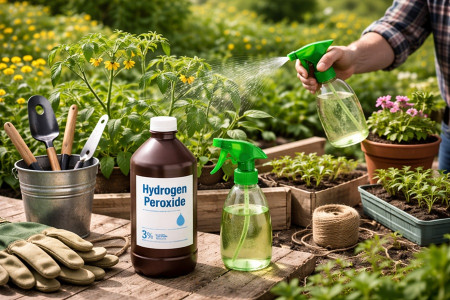
Hydrogen peroxide can be used in your garden.
This common household liquid, the same one used to clean cuts, contains extra oxygen. This extra oxygen makes it especially useful for plants and soil.
When used correctly, it can help improve root health, fight certain pests and diseases, and support healthy plant growth. If you love organic gardening, keep hydrogen peroxide handy.
What Is Hydrogen Peroxide and Why Does It Work?
Hydrogen peroxide (H₂O₂) is simply water (H₂O) with an extra oxygen molecule. That extra oxygen is what gives it its powerful properties [1].
When applied to soil or plants, it breaks down quickly into water and oxygen. This oxygen boost helps improve root health and helps control harmful bacteria and fungi.
Because of this, many gardeners use hydrogen peroxide as a natural alternative to chemical treatments.
Ways to Use Hydrogen Peroxide for Plants and Gardens
Here are some common ways gardeners use hydrogen peroxide.
1. Helps Improve Soil Aeration
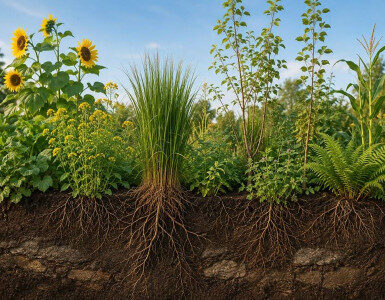
Roots need air to grow. Soil that stays wet or becomes compacted can keep air from reaching them. As hydrogen peroxide breaks down, it releases oxygen that may briefly help roots in oxygen-poor soil.
Recipe: Mix 1 teaspoon of 3% hydrogen peroxide with 1 gallon of water. The University of Florida recommends this dilution for flooded, salt-stressed plants [2]. Apply it when the plant needs watering, and let extra water drain away.
This is a short-term measure. If the soil stays soggy or is compacted, check the drainage and watering schedule. Hydrogen peroxide will not create lasting air spaces in the soil.
2. Prevents Root Rot
Root rot is one of the most common problems gardeners face. It often develops in overly wet, poorly aerated soil, where disease-causing organisms can thrive.
However, using a diluted hydrogen peroxide solution may help slow the progression of root rot when caught early.
Hydrogen peroxide has strong oxidizing properties. It can reduce the presence of some harmful fungi and bacteria. Additionally, it temporarily raises oxygen levels near the roots.
To use it, mix 1 part 3% hydrogen peroxide with 4 parts water. Next, water the affected plant once and let the soil dry thoroughly.
3. Helps Seeds Germinate Faster
If you want quicker and more successful germination, hydrogen peroxide can help.
Some gardeners soak seeds in a diluted hydrogen peroxide solution for about 30 minutes before planting. This may help soften seed coats and reduce surface pathogens.
Afterward, rinse the seeds with fresh water before planting.
4. Helps Control Fungi and Bacteria on Plants
Hydrogen peroxide also helps to prevent and control plant pathogens [3].
When applied correctly, hydrogen peroxide may help suppress certain fungal and bacterial diseases. This includes the early stages of powdery mildew.
You can make a simple spray by mixing one part 3% hydrogen peroxide with four parts water. Use this solution to saturate the soil, then spray it onto plant foliage.
5. Controls Pests
Direct contact with hydrogen peroxide solutions may help reduce populations of some soft-bodied pests and their larvae.
For pest control, mix 1 cup of 3% hydrogen peroxide with 4 cups of water, then spray it directly onto pests. Also, apply the solution to the potting mix, focusing on the plant’s root zone.
6. Boosts Plant Growth
Hydrogen peroxide may support stronger root development and healthy plant growth.
Some gardeners use a mild hydrogen peroxide solution while watering. This gives plants an occasional boost of oxygen.
All you need is about 4 tablespoons of 3% peroxide to a gallon of water to boost plant growth. Using this solution once every couple of weeks is usually enough to see benefits.
7. Helps Disinfect Potting Soil
Hydrogen peroxide can help disinfect potting soil due to its strong oxidizing properties, which may reduce certain harmful organisms [4].
You can drench it with a solution of one part hydrogen peroxide and 3 to 4 parts water. Allow the soil to dry before planting.
This is particularly helpful when reusing old potting mix or starting seedlings.
8. Helps Stop Damping-Off
A diluted hydrogen peroxide solution may help suppress damping-off when caught early. It may help reduce the organisms responsible for damping-off while disinfecting the growing medium.
To treat it, gently water the seedlings with a mix of 1 tablespoon of 3% hydrogen peroxide in 2 cups of water.
This helps disinfect the growing medium. It also gives struggling seedlings a better chance to recover.
9. Cleans Gardening Tools and Containers
Keeping your tools clean is also important to prevent the spread of disease in your garden. Hydrogen peroxide acts as an excellent natural disinfectant.
You can use it to clean pruning shears and disinfect pots and seed trays.
Simply spray or soak your tools in a mixture of equal parts 3% hydrogen peroxide and water. Let them air dry before using.
10. Eliminates Algae and Mold in Soil
If you notice green algae or white mold growing on the surface of your soil, hydrogen peroxide can help clear it up.
A light application of diluted hydrogen peroxide can kill algae and mold. For this recipe, combine one part 3% peroxide with four parts water.
Spray the solution on affected areas and allow it to dry.
11. Safe for Hydroponic Gardening
Hydrogen peroxide is often used to sanitize hydroponic systems. It also helps keep water clean and well-oxygenated.
It prevents harmful bacteria and algae from building up. This product also supports healthy root systems.
When used correctly, it can keep your hydroponic setup running smoothly and your plants thriving.
Always follow the recommendations for your specific hydroponic system. Using too much hydrogen peroxide can damage the roots.
Important
More hydrogen peroxide is not better. Strong solutions or frequent applications can damage plant tissue, burn roots, and disrupt beneficial soil microorganisms.
Always use the lowest effective concentration and avoid overuse.
FAQ
Is Hydrogen Peroxide Safe to Use on All Plants?
In most cases, hydrogen peroxide for plants is safe when properly diluted and used occasionally. However, some delicate plants may react poorly if the solution is too strong or applied too often.
Seedlings and young plants are often more sensitive. So, it’s best to use a weaker solution and watch how they respond.
A properly diluted 3% hydrogen peroxide mix is generally safe for vegetables, herbs, and many houseplants. To be on the safe side, always test on a small area first and observe the plant for any signs of stress.
Does Hydrogen Peroxide Affect Beneficial Soil Organisms?
Yes, hydrogen peroxide can harm beneficial soil organisms. But its impact mainly depends on how often and how strongly you use it.
It works by oxidizing and killing microbes. However, it doesn’t always distinguish between harmful pathogens and beneficial organisms, such as helpful bacteria and fungi.
A light, occasional use of a well-diluted solution usually won’t cause lasting harm. This is because beneficial microbes tend to bounce back over time.
However, using it frequently or in large amounts can disrupt your soil’s natural balance. This can lead to a reduction in the population of helpful organisms.
That’s why it’s best to use hydrogen peroxide only when it is needed.
Will Hydrogen Peroxide Kill Plants?
Hydrogen peroxide can kill plants if misused. But when used correctly, it is generally safe and beneficial.
The main risk comes from using a solution that is too strong or applying it too frequently.
The key is moderation and proper dilution. It’s also important to test on a small area first before applying it more broadly.
Takeaway
Hydrogen peroxide for plants can be useful for improving root health, increasing oxygen around roots, and helping suppress certain pests and diseases.
When used correctly and in moderation, it can be a valuable addition to a natural gardening routine.




Add comment