

 Sasha Campbell
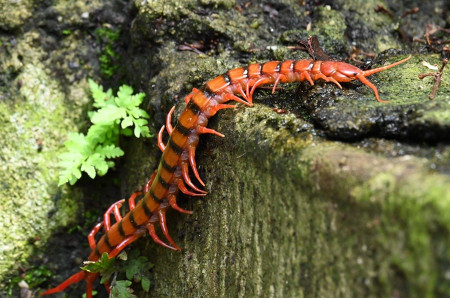
Centipedes can be unsettling to find crawling across your floor or hiding in damp corners of your home. With their many legs and fast movements, they tend to spark instant discomfort.
The good news is you can reduce centipede activity and prevent future infestations. There are several effective ways to do this, using simple home maintenance practices and natural remedies.
Are Centipedes Dangerous?
While most household centipedes are not aggressive, they can bite if disturbed. Their bite may cause pain, redness, swelling, and other potentially serious allergic reactions [1].
In some cases, the discomfort can feel similar to a bee sting.
Centipedes also carry venom, which they use to paralyze their prey. Although it’s usually not dangerous to humans, it’s still something most people would rather avoid in their living space.
On top of that, their presence often signals a larger pest problem, as they feed on other pests such as cockroaches, ants, silverfish, spiders, and even bed bugs.
Signs of a Centipede Infestation
Seeing a single centipede from time to time is not unusual. However, frequent sightings may indicate a larger problem.
Common signs include:
- Regularly spotting centipedes in bathrooms, basements, kitchens, or laundry rooms.
- Finding them in sinks, bathtubs, or near drains.
- Seeing them at night when they are most active [2].
- Finding lots of insects like cockroaches, ants, silverfish, or spiders that act as food sources.
- Noticing excessive moisture, water leaks, or high humidity levels in the home.
What Causes Centipedes in the House?
House centipedes are among the most common centipede species found indoors.
They do not usually enter homes by accident. They are often drawn to favorable living conditions. These include moisture, shelter, and a steady food supply.
Moisture
One of the most common reasons centipedes move indoors is excess moisture.
Leaky pipes, damp basements, humid crawl spaces, and poor bathroom ventilation create ideal conditions for centipedes.
Since centipedes lose moisture quickly, they seek out areas that help them stay hydrated [3].
Insects
Another major attraction is the presence of other insects.
Centipedes are active predators. They feed on ants, cockroaches, spiders, silverfish, termites, bed bugs, and many other small pests.
If your home has an insect problem, it can provide a steady food source for centipedes.
Clutter
Clutter can also encourage centipedes to stick around.
They prefer dark, undisturbed hiding places. Good hiding spots include cardboard boxes, stacks of paper, storage bins, and piles of clothing.
These areas offer protection during the day when centipedes are less active.
Outside the home, centipedes often live beneath mulch, leaf litter, rocks, firewood piles, and other damp materials. From there, they can enter through cracks in the foundation.
They can also get in through gaps around doors and windows. Damaged screens and openings around utility pipes are other ways they can come inside.
Addressing these underlying issues can make your home much less attractive to centipedes. This approach will help prevent future infestations.
How to Get Rid of Centipedes Naturally
Below are some home remedies and natural methods to keep centipedes away.
1. Reduce Moisture in Your Home
Centipedes love moisture.
Bathrooms, basements, kitchens, and laundry rooms are some of their favorite hiding spots. That’s because these areas provide the damp environment they need to survive.
Therefore, start by fixing any leaks and drying wet areas. Even something as simple as opening windows to improve airflow can make a big difference.
When your home is dry, it becomes far less inviting to centipedes.
2. Use Dehumidifiers in Damp Areas
Centipedes do well in humid environments. You’ll often see them in damp spots such as basements, crawl spaces, bathrooms, and laundry rooms.
Running a dehumidifier can help lower moisture levels and make these areas less hospitable to them. For best results, try to keep indoor humidity below 60% [4].
Dehumidifiers are especially helpful in homes in humid climates or in rooms that remain damp year-round.
3. Use Diatomaceous Earth
Diatomaceous earth can kill house centipedes if they crawl through it. It works by damaging the outer layer of insects, causing them to dry out and die.
Sprinkle a thin layer where you’ve spotted these pests. Focus on baseboards, under sinks, and in corners.
4. Try Essential Oils
Some homeowners report success using strong-smelling essential oils as repellents. Popular options include peppermint, tea tree, and eucalyptus oils. However, scientific evidence supporting their effectiveness is limited.
Use these oils to make a homemade centipede repellent spray. Just mix 15 to 20 drops into a cup of water, then spray around entry points and problem areas.
The strong scent may help discourage centipedes from frequenting treated areas.
5. Keep Your Home Clean and Clutter-Free
Centipedes also like to hide in dark, cluttered spaces. Piles of paper, cardboard boxes, and unused items give them perfect hiding spots.
Regular cleaning and decluttering remove these shelters, making your home less appealing to them. Also, vacuum often, especially in corners and under furniture where they tend to hide.
6. Use Sticky Traps
Sticky traps are a simple, non-toxic way to catch centipedes. Place them along walls, near baseboards, and in areas where you’ve noticed movement.
While they won’t solve the problem on their own, they can help reduce centipede numbers.
7. Eliminate Their Food Sources
Centipedes feed on other insects and pests, such as ants, spiders, and cockroaches. So, reducing the number of bugs in your home automatically makes it less attractive to centipedes.
Keep your home clean, store food properly, and take out the trash regularly. By cutting off their food supply, you discourage them from sticking around.
8. Remove Standing Water
Standing water around your property creates damp conditions. These conditions attract centipedes and the insects they depend on for food.
Therefore, inspect your yard for areas where water collects after rain. Look for clogged gutters, low spots in the lawn, birdbaths, plant saucers, and containers left outdoors. Empty or drain these areas regularly to reduce excess moisture.
You should also check around outdoor faucets, air-conditioning units, and irrigation systems for any leaks. These leaks may create consistently damp conditions.
By eliminating standing water, you make your property less attractive to centipedes and many other pests.
9. Maintain Your Yard
Centipedes usually come from outside. They like damp, shaded areas in your yard.
So, trim your lawn regularly. Also, clear away leaf piles, and don’t stack firewood near your home.
Creating a dry, tidy outdoor space reduces the risk of centipedes entering the home.
10. Repair Screens and Door Sweeps
Even small gaps around doors and windows can provide entry points for centipedes.
Inspect your home for torn window screens and damaged door sweeps.
Check for any gaps around utility lines and pipes. Also, look for cracks around windows and foundations to ensure everything is secure.
Fixing these openings helps prevent centipedes and other pests from entering your home.
11. Install Proper Drainage
Poor drainage around your home can lead to excess moisture, which attracts centipedes.
Therefore, make sure your gutters are clean and functioning properly. Also, direct water away from your foundation.
12. Use Natural Light to Your Advantage
Centipedes prefer dark, sheltered areas [5]. Improving visibility in basements, closets, and storage areas can help you spot and manage infestations more easily.
Open curtains during the day. Also, consider adding lights to dark areas, such as basements and closets.
While light alone won’t eliminate centipedes, it can make them easier to spot and manage.
13. Try Cedar Products
Cedar products might help keep some household pests away. However, there’s little proof they work against centipedes.
Using cedar chips, blocks, or sprays in problem areas may help deter centipedes and millipedes.
Place them in closets, basements, or along entry points.
14. Keep Drains Clean
Drains can provide both moisture and entry points for centipedes. So, clean your drains often.
Use natural solutions like baking soda, vinegar, and hot water. This helps remove buildup and keeps the area less attractive to pests.
15. Seal Entry Points
Centipedes can also slip through small cracks and gaps. They often get in around windows, doors, and foundations.
Therefore, carefully inspect your home and seal any openings. Pay attention to areas around pipes and vents as well.
16. Remove Outdoor Hiding Places
Centipedes often hide beneath mulch, stones, leaf litter, compost piles, and firewood.
To reduce the number of centipedes that come inside, try removing or reducing damp spots near your home’s foundation.
17. Apply White Vinegar Spray
White vinegar may kill centipedes when sprayed directly on them.
It works best as a contact treatment for centipedes. However, it is not considered a complete solution for a centipede infestation.
To use it, fill a spray bottle with undiluted white vinegar. Spray directly on centipedes.
Also, target spots they often visit, like drains, baseboards, and entry points.
Reapply as needed.
18. Avenger® Insect Killer Aerosol Spray
If you prefer a ready-made plant-based option, try Avenger® Insect Killer Aerosol Spray. It’s a botanical insecticide that you can spray directly on centipedes.
FAQ
What attracts centipedes to your home?
Moisture, darkness, and a steady supply of prey attract centipedes.
Damp basements and leaky pipes attract them. They also like cluttered storage areas and homes with insect infestations.
Should I kill centipedes if I find them indoors?
Many people want to get rid of centipedes in their homes. However, they actually play a helpful role in controlling other pests.
They feed on insects such as cockroaches, ants, spiders, and silverfish. But if their numbers increase, it is usually a sign that moisture or pest problems need attention.
Does neem oil get rid of centipedes?
Neem oil is widely used to control many garden pests. However, there is little evidence that it effectively kills or repels centipedes.
Centipedes are predators, not plant-feeding insects. Because of this, neem oil is not seen as one of the most reliable control methods for them.
Can centipedes climb walls?
Yes. House centipedes are excellent climbers.
They can quickly move across walls, ceilings, and various surfaces. This ability helps them hunt for prey and access hiding places throughout the home.
What smells do centipedes dislike?
Some homeowners use strong-smelling substances such as peppermint oil, tea tree oil, and eucalyptus oil as natural deterrents. However, scientific evidence supporting their effectiveness against centipedes is limited.
Do centipedes come up through drains?
Centipedes may enter homes through drains, cracks, gaps around pipes, and other small openings. So, keeping drains clean and sealing entry points helps reduce the chances of them getting inside.
Are centipedes dangerous to pets?
Most centipedes are not considered dangerous to cats and dogs.
However, larger species can bite when threatened. This can cause temporary pain or irritation.
If your pet appears ill after contact with a centipede, contact a veterinarian.
How long do centipedes live?
Depending on the species, centipedes can live several years.
House centipedes can live for three to seven years [6]. That’s longer than many common household pests.
Does baking soda kill centipedes?
No, baking soda does not typically kill centipedes. It can absorb some moisture in certain spots, but it’s not a known way to control centipedes.
More effective solutions include using diatomaceous earth, reducing humidity, and removing hiding places.
Why am I suddenly seeing more centipedes?
More centipede sightings usually mean there’s extra moisture or plenty of insects for them to eat. Heavy rainfall, plumbing leaks, or an untreated pest problem can all lead to more centipedes.
Can centipedes infest a house?
Yes. Centipedes usually live alone. However, homes with excess moisture and abundant insect prey can support surprisingly large numbers of them.
If you often spot centipedes, it usually means your home has conditions that support them and the pests they feed on.
Takeaway
Getting rid of centipedes naturally is all about making your home and yard less inviting to them.
Reduce moisture, eliminate food sources, and seal entry points. These steps can help tackle the root of the problem.
Natural remedies, such as essential oils, vinegar, and diatomaceous earth, offer added protection. They do this without exposing your family to harsh chemicals.




There might be a lot of home made treatments which works. But being in a pest control field I can assure that giving the work to professionals is the best. It can save your time and give you good results. For minor issues it is best to do it yourself otherwise best to go to a professional.