

 Sasha Campbell
Asiatic garden beetles may be small, but they can cause big problems in your garden. These pests feed on the leaves, flowers, and roots of many plants.
Since they feed mostly at night, you may not notice them until your plants begin looking damaged.
The good news is that you can control them without harsh chemicals. With the right natural strategies, you can reduce their populations.
Identification
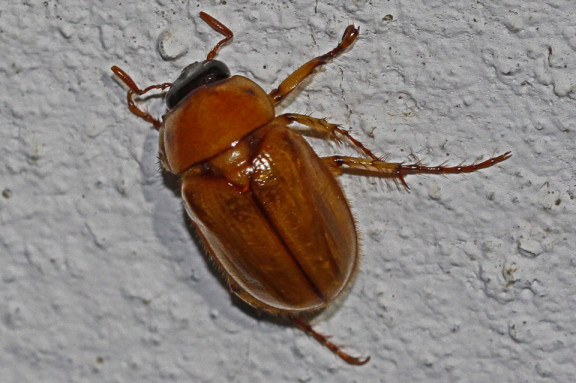
Asiatic garden beetles (Maladera formosae) are small, cinnamon-brown beetles. They are originally from Asia and have spread across many regions.
Adult beetles are about one-third of an inch long [1]. They are also nocturnal feeders.
The larvae, called grubs, live in the soil and feed on the roots of grass and other plants.
One of the first signs of damage from adult beetles is the development of irregular holes in leaves. You may also notice that the damage appears overnight.
In some cases, plants may wilt even if they receive enough water. Lawns may develop patchy or thinning areas due to root damage caused by grubs.
These beetles may feed on roses, beets, carrots, peppers, dahlias, peaches, and blueberries [2]. They may also enter your house by accident.
How to Get Rid of Asiatic Garden Beetles Naturally
Below are some of the best natural methods to keep these beetles away.
1. Pick Them Off
One of the simplest and most effective ways to control Asiatic garden beetles is by removing them by hand. Since they are nocturnal, the best time to catch them in action is at night.
Using a flashlight, you can easily spot them feeding on leaves. Shake the plants gently or pick the beetles off by hand.
You can then drop them into a container of soapy water to kill them.
2. Beneficial Nematodes
Some beneficial nematodes are especially effective against the grub stage of Asiatic garden beetles [3].
Once applied to moist soil, these tiny organisms seek out grubs and release bacteria that kill them from within. This prevents the larvae from maturing into adult beetles.
For best results, nematodes should be applied during the cooler parts of the day, such as early morning or evening. The soil should also be kept moist to help them thrive and move through the soil.
3. Natural Predators
Birds, frogs, toads, ground beetles, and some ants may feed on adult beetles or their grubs. By creating a welcoming environment, you can encourage these helpful creatures to stay in your garden.
Adding a birdbath, planting native flowers, and avoiding chemical pesticides can all make a big difference. If you keep chickens, they can also help by scratching through the soil and eating grubs.
4. Neem Oil
Neem oil may help discourage beetles from feeding. It can also affect the growth and development of some insects.
To make a homemade spray for Asiatic garden beetles, add 4 tablespoons of neem oil and a teaspoon of liquid soap to a gallon of water. Shake well and use it in your garden.
Applying neem oil in the evening is most effective, as the beetles are active then.
Be sure to coat both the tops and undersides of leaves for full coverage. Regular applications every week or so can help keep beetle populations under control.
5. Row Covers
Row covers also provide a simple yet highly effective way to physically block beetles from reaching your plants.
These lightweight fabrics can be draped over garden beds. They stop adult beetles from reaching your plants to feed or lay eggs.
They are especially useful for protecting young or delicate plants that are more vulnerable to damage. However, during flowering, you may need to temporarily remove the covers to allow for pollination.
6. Improve Soil Health
Healthy soil plays a major role in naturally controlling pests.
Healthy soil helps plants grow stronger and better withstand insect damage. Adding compost regularly improves soil structure and encourages many beneficial soil organisms that support a healthier garden ecosystem.
Adding compost regularly helps improve soil structure and supports microbial life. Avoiding overwatering and aerating compacted soil can also make a big difference.
Mulch also helps keep soil healthy by holding moisture and supporting many beneficial organisms. Healthy plants are often better able to recover from insect damage.
Over time, healthier soil leads to fewer pest problems.
7. Reduce Outdoor Lighting at Night
Asiatic garden beetles are strongly attracted to light [3]. Bright porch lights or garden lighting can make your yard more appealing to these pests.
Therefore, reduce unnecessary lighting at night. Doing so can help limit insect activity around your plants.
To reduce the number of beetles in your yard, switch to motion-sensor lights. You can also use yellow “bug lights.” These lights attract fewer insects, helping to keep your space pleasant.
8. Garlic Spray
Homemade garlic sprays can also help deter beetles from feeding on your plants. Garlic produces a strong odor that irritates many insects.
To make a simple spray, blend garlic with water and strain the mixture. You can also add a small amount of mild liquid soap to help the solution stick to the leaves.
9. Crop Rotation
Wherever possible, change the location of your crops each season.
Crop rotation may help reduce damage by making it harder for newly emerged beetles to find the same crops each year. It works best when combined with other natural control methods.
10. Garden Cleanup
At the end of the growing season, cleaning up plant debris is also important.
Removing dead plants and lightly turning the soil can expose grubs to birds and other predators. Keeping weeds under control also removes hiding spots for beetles.
11. Repellent Plants
Some plants naturally repel beetles due to their strong scents or chemical properties. Incorporating these plants into your garden can help protect more vulnerable crops.
Plants such as lavender, chives, catnip, tansy, and marigolds may help discourage some beetles and other garden pests because of their strong scents.
12. grubGONE! G
grubGONE! G is another effective natural option for controlling Asiatic garden beetle grubs in the soil.
This biological treatment works against all scarab grubs. It contains a naturally occurring soil bacterium that targets scarab beetle grubs while being safe for many beneficial insects when used as directed.
It works by stopping grubs from feeding. This eventually kills them before they grow into harmful adult beetles.
Takeaway
Getting rid of Asiatic garden beetles naturally takes patience and consistency. However, it is entirely possible with the right approach.
A healthy garden with several natural control methods can greatly reduce beetle problems over time. You can use methods such as handpicking, neem oil, and attracting predators.




Add comment