

 Sasha Campbell
One natural way to keep certain pests away from your garden and house is to grow plants that repel them. These pest-repelling plants may help reduce populations of mosquitoes, flies, aphids, ants, and other common pests.
However, while many plants may help deter certain pests through their scent or natural compounds, they are most effective when used as part of an integrated pest management strategy.
Good garden sanitation, companion planting, and encouraging beneficial insects are usually more effective than relying on any single pest-repelling plant. Proper plant care also plays a key role in deterring pests.
Best Pest Repellent Plants
Below is a list of plants that repel insects and related pests from your vegetable garden and home.
1. Basil
Basil is among the pest-deterrent plants that keep away mosquitoes and houseflies. Its strong scent may also help deter some garden pests, such as aphids, whiteflies, and thrips.
Another perk is that it grows well in a pot.
Purchase basil seeds online.
2. Lavender
Lavender is one of the best flowers for deterring garden pests because it may help keep many harmful insects away. Its fragrance may help deter flies, fleas, no-see-ums, moths, and certain other insects.
Some gardeners also report fewer spiders around lavender, although scientific evidence is limited.
Moreover, lavender adds a splash of color to your garden and a relaxing fragrance to your home.
You can grow it in your garden bed or pot. In addition, tie small bundles of the herb over doorways and near windows. This helps to keep pests out of the house.
Order lavender seeds online.
3. Lemongrass
Lemongrass helps repel mosquitoes [1]. It is often used in mosquito-repellent candles and oils.
This perennial grass grows well in warm climates. Crushing the leaves releases the aromatic oils that help repel mosquitoes. However, avoid applying concentrated plant oils directly to sensitive skin.
Purchase lemongrass seeds online.
4. Peppermint
Peppermint is one of the best plants for repelling mosquitoes. It may also repel ants, flies, mice, rats, wasps, earwigs, roaches, and, according to some studies of peppermint oil, bed bugs.
However, the peppermint plant grows aggressively, so the best bet is to plant it in a container. Growing it in a container will keep it where you want it and make moving it to a different location easier.
Purchase mint seeds online.
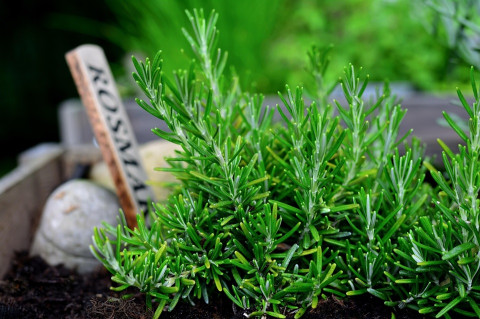
5. Rosemary
If bugs harass your veggies, you may want to plant some rosemary nearby. Rosemary may help repel pests such as fruit flies, cabbage moths, mosquitoes, and carrot flies.
Some people use rosemary to make a natural repellent spray. Add some dried rosemary to boiling water and simmer for 30 minutes to make a homemade spray.
Next, strain it into a container containing equal parts cool water. Finally, store the mixture in a spray bottle in the fridge and use it as needed.
Some gardeners also report that rosemary’s strong scent may help discourage lizards from frequenting certain areas.
Purchase rosemary seeds online.
6. Bay Leaves
Bay leaves are great at keeping flies, weevils, cockroaches, and moths away.
They also repel earwig insects. Therefore, place the leaves in areas where these critters might show up.
7. Dill
Dill is among the herbs that repel bugs.
It may help reduce pest problems such as aphids, spider mites, cabbage loopers, tomato hornworms, and squash bugs. It attracts beneficial insects that can help control these pests effectively.
Therefore, plant it in your vegetable garden as a companion crop.
Order the seeds online.
8. Geraniums (Scented Geraniums)
Geraniums are colorful, long-lasting flowering plants that also offer natural pest-repelling benefits.
Scented varieties, in particular, are known for their strong aromas. They may help deter common garden pests such as mosquitoes, aphids, whiteflies, and cabbage worms.
The leaves release their fragrance when touched or brushed. This is why they are often planted near patios, doorways, and vegetable gardens.
9. Sage
Some gardeners plant sage near vulnerable plants. Its strong smell may help keep away slugs, snails, flea beetles, and cabbage moths.
Purchase sage seeds online.
10. Thyme
This herb may help deter whiteflies, ants, stink bugs, corn earworms, cabbage loopers, cutworms, and tomato hornworms.
Add it to your garden to keep cabbage, tomatoes, and other vegetables safe.
Buy thyme seeds online.
11. Chives
Plants in the Allium family may help deter flies, aphids, and cabbage worms.
Chives may help deter rabbits, deer, carrot flies, Japanese beetles, and mites. Other natural bug-repellent plants in the Allium family include garlic, leeks, and shallots.
Buy chive seeds online.
12. Chrysanthemums (Mums)
Certain chrysanthemum varieties contain pyrethrins, natural insecticides. They may help control harlequin bugs, nematodes, spider mites, ticks, Japanese beetles, and even lice and fleas.
Purchase chrysanthemum seeds online.
13. Marigolds
For organic pest control, marigolds help keep away many garden pests. The flowers give off a scent that may help deter gnats, mosquitoes, thrips, flies, and whiteflies.
Purchase marigold seeds online.
14. Nasturtium
Nasturtiums may help keep away certain pests. They are often used as trap crops to attract pests away from vegetables, protecting the plants.
If squash bugs, beetles, flies, whiteflies, or cabbage loopers love your garden, you can plant some nasturtiums nearby.
Purchase nasturtium seeds online.
15. Onions
Onions are also effective at repelling certain harmful insects.
They may not keep away every bug like some plants. However, they do a great job of deterring cucumber beetles, cabbage worms, flea beetles, and carrot rust flies.
Some farmers also plant onions near tomatoes and kale to help keep aphids at bay.
Purchase onion seeds online.
16. Calamint
Calamint may also help deter cabbage worms, loopers, and moth larvae. However, it spreads quickly, so be careful where you plant it.
17. Garlic
Garlic’s strong sulfur compounds may help deter a variety of insect pests.
It may keep Japanese beetles from your blueberries, roses, and raspberries. It may also protect your lettuce from aphids.
Additionally, it may repel stink bugs, spider mites, ants, earwigs, and caterpillars.
Some gardeners also believe garlic’s strong sulfur compounds may help discourage snakes. However, scientific evidence is limited.
18. Catnip
Catnip may help protect eggplants, radishes, and other plants susceptible to flea beetles and potato bugs. It may also repel aphids and cucumber beetles.
Buy catnip seeds online.
19. Tansy
Many gardeners plant tansy near their roses to deter Japanese and cucumber beetles. It may also help deter Colorado potato beetles.
It’s believed to emit a scent that confuses these pests. As a result, they struggle to find their target plants.
Purchase tansy seeds online.
20. Borage
Borage may help deter both tomato hornworms and cabbage worms. At the same time, it attracts pollinators and beneficial insects.
It also makes a lovely addition to your garden and supports your local honeybee population.
Purchase borage seeds online.
21. Castor Bean Plant
Castor oil, derived from castor beans, is effective for getting rid of moles, voles, and possibly armadillos.
Warning: Castor bean seeds are very toxic. They can poison humans, pets, and livestock if eaten [2].
Avoid planting them where children or animals may have access.
22. Tomatoes
That’s right; planting tomatoes can help protect other plants in your garden. However, be sure to grow at least one companion plant nearby that will, in turn, protect your tomatoes from pests.
Some people plant tomatoes near asparagus. They believe the tomato scent can help deter asparagus beetles.
Since many gardeners plan to grow tomatoes anyway, knowing that they can double as a pest-repellent crop is helpful.
Find a variety of high-quality tomatoes here.
23. Citronella Plant
Mosquitoes are repelled by the scent of citronella. However, simply planting citronella in the garden may not provide significant mosquito control.
When you crush or touch the leaves, they release aromatic oils. These oils create a strong repellent scent.
Citronella may also help deter cats from certain areas of the garden. It may also help repel love bugs.
Takeaway
Many of the plants listed above may help deter certain pests while also attracting beneficial insects to your garden. Consider growing them to protect your vegetable garden and home.




Great job for publishing such a beneficial web site. Your blog isn’t only useful but it is additionally really creative too.
what about some plant to repeal fruit flies ?
Need to get rid of Roaches
Thank you!! That was very informative!! I wrote a few down which I will purchase soon! Thank you for Posting!!!