

 Andre Campbell
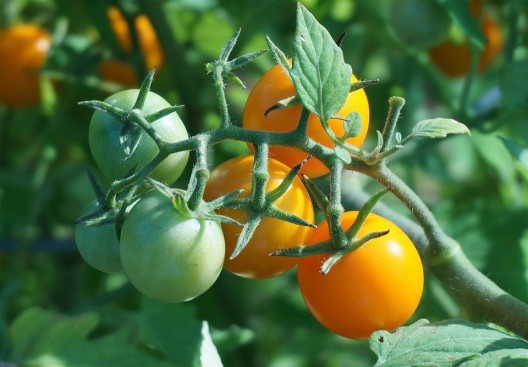
Tomatoes are fairly easy to grow when they receive enough sun, water, and nutrients. Growing other plants near them may also help you use garden space wisely, attract helpful insects, and protect the soil.
This practice is called companion planting. Some companion-planting benefits are supported by research. Others are based mainly on gardeners’ experiences. Results can also change depending on your climate, soil, pests, and plant spacing.
Benefits of Companion Planting Tomatoes
Companion planting means growing different plants together because they may benefit each other or use the garden space in different ways.
When planned carefully, companion planting can attract beneficial insects, provide flowers for pollinators, cover bare soil, and allow you to harvest more than one crop from the same bed.
May Reduce Certain Pest Problems
Some plants release scents that can make it harder for pests to find tomatoes. Research suggests that basil and marigolds may help reduce thrips around tomato plants [1].
However, a companion plant will not keep every pest away. Check your tomatoes regularly for insects and signs of damage.
Attracts Pollinators
Flowers such as cosmos, marigolds, nasturtiums, and borage attract bees and other pollinators.
Tomato flowers contain both male and female parts. Therefore, they can pollinate without another tomato plant nearby [2].
However, wind and visits from bees can help release the pollen inside the flowers. Bumblebees are especially helpful because they vibrate tomato flowers. This process is known as buzz pollination.
Encourages Beneficial Insects
Flowering companion plants can attract helpful insects. These include ladybugs, lacewings, hoverflies, and parasitic wasps.
Some of these insects eat aphids, caterpillars, and other tomato pests. Others lay their eggs in or on harmful insects.
Makes Better Use of Garden Space
Short plants such as lettuce, spinach, and radishes can grow in open spaces around young tomato plants.
These quick-growing crops may be ready to harvest before the tomatoes become large and shade the bed.
Supports Soil Health
Plants with different root types can use different parts of the soil. Keeping living roots in the ground may also help protect the soil and support soil organisms.
Peas, beans, and clover work with certain bacteria to collect nitrogen from the air. Most of this nitrogen feeds the legume while it is growing. Some may become available to future crops after the plant dies and breaks down.
Helps Suppress Weeds
Low-growing plants can cover and shade bare soil. This may reduce weed growth and slow moisture loss.
However, companion plants still need enough room so they do not crowd the tomatoes.
What to Plant with Tomatoes
The plants below may grow well near tomatoes when they receive enough water, sunlight, nutrients, and space.
Some attract pollinators or beneficial insects. Others cover bare soil or help gardeners harvest more food from the same area.
1. Basil
Basil is one of the most popular tomato companions. Some studies suggest that it may help reduce thrips around tomatoes.
One field study in southern Ethiopia found that growing basil between tomato rows increased tomato yield by about 15% under the conditions tested [3]. However, results may vary based on the plant varieties, climate, spacing, soil, and plant care.
When basil flowers, it can attract bees and other pollinators. Harvest it regularly if you want it to keep producing plenty of leaves.
2. Borage
Borage produces blue, star-shaped flowers that attract bees and other pollinators.
The plant can become large, so leave enough room between it and your tomatoes. Although borage is often said to repel tomato hornworms, there is little reliable evidence to support this claim.
3. Celery
Celery may grow near tomatoes if both plants receive enough water and nutrients.
Its main benefit is helping gardeners use open space. Do not crowd the plants, since celery needs steady moisture to grow well.
4. Bush Beans
Bush beans stay shorter than pole beans, so they are less likely to climb over tomato plants.
Beans work with soil bacteria to fix nitrogen. However, they use most of that nitrogen while they are alive. Their roots and leaves may benefit future crops after they break down.
5. Chives
Chives produce flowers that attract bees and other helpful insects.
Their strong scent may make it harder for some pests to locate nearby crops. However, chives should not be used as the only form of pest control.
6. Cilantro
Cilantro is useful when it is allowed to flower.
Its small flowers provide food for hoverflies, parasitic wasps, and other beneficial insects. These insects may help control aphids and caterpillars.
7. Thyme
Thyme is a low-growing herb that can cover some bare soil.
Its flowers attract small pollinators and beneficial insects. Keep it far enough away from the tomato stem to allow airflow.
8. Asparagus
Tomatoes may be grown near established asparagus plants if there is enough room.
Avoid digging deeply around asparagus crowns because this could damage their roots. Tomatoes should not be allowed to shade the asparagus bed for long periods.
9. Garlic
Garlic has a strong odor that may make it harder for some insects to find nearby plants.
However, planting garlic does not guarantee that aphids, spider mites, or other pests will stay away. Continue checking the tomatoes for damage.
10. Lemon Balm
Lemon balm produces flowers that attract bees and other pollinators.
It can spread quickly through seeds and underground stems. Growing it in a container can help prevent it from taking over the garden.
11. Lettuce
Lettuce can grow in the open spaces around young tomato plants.
As the tomatoes grow taller, their leaves may shade lettuce during hot weather. Too much shade, however, can cause slow or weak growth.
12. Onions
Onions take up little room and may fit between widely spaced tomato plants.
Their scent may confuse certain insects, but onions will not protect tomatoes from every pest.
13. Parsley
When allowed to flower, parsley attracts hoverflies, parasitic wasps, and other beneficial insects.
Parsley can live for two growing seasons in some climates. Keep it trimmed if it begins crowding nearby tomatoes.
14. Carrots
Carrots can be planted in open spaces between tomato plants.
Their roots grow deeper than the roots of many leafy crops. However, carrots do not reliably loosen hard soil. They grow best in soil that is already loose and free of stones.
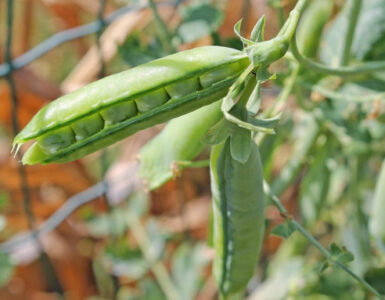
15. Peas
Peas may be planted early and harvested before tomato plants reach their full size.
Like beans, peas fix nitrogen with the help of bacteria. Most of that nitrogen is used by the pea plants while they grow. It may benefit later crops after the plants break down.
Peas prefer cooler weather, while tomatoes prefer warm weather. This makes them more useful as crops grown one after the other than as long-term companions.
16. Sage
Sage flowers attract bees and other pollinators.
The plant prefers well-drained soil and may not need as much water as tomatoes. Place it where it will not receive too much water from the tomato bed.
17. Spinach
Spinach can grow around young tomato plants and help cover bare soil.
It grows best during cool weather. Harvest it before the tomato leaves create too much shade, or the weather becomes too hot.
18. Squash
Squash leaves can shade the soil, slow moisture loss, and suppress some weeds.
However, squash plants spread widely. Give both crops plenty of room so their leaves do not block airflow around the tomatoes.
19. Nasturtiums
Nasturtiums are sometimes used as trap crops because they may attract aphids.
They also produce colorful flowers that attract pollinators. Check them often and remove badly infested growth before the pests spread to nearby plants.
20. Petunias
Petunias attract pollinators and add color to a vegetable garden.
Some gardeners believe they discourage certain pests, but evidence for this benefit is limited. Their most dependable benefit is providing flowers for insects.
21. Cosmos
Cosmos flowers attract bees, butterflies, lacewings, hoverflies, and other helpful insects.
Some varieties grow tall and bushy. Place them where they will not block sunlight or airflow around the tomatoes.
22. Marigolds
Marigolds attract pollinators and beneficial insects. Some studies suggest that they may also help reduce thrips around tomatoes.
Certain types of marigolds can reduce certain harmful nematodes when grown thickly as a cover crop before tomatoes are planted. A few marigolds beside a tomato plant may not provide the same protection.
23. Radishes
Radishes grow quickly and can fill open spaces around young tomatoes.
They may be harvested before tomato plants become large. Radishes need loose soil, so they should not be expected to break up hard or heavily compacted ground.
24. Oregano
Oregano flowers attract pollinators and beneficial insects.
The plant can spread and form a low ground cover. Trim it when needed, so it does not crowd the tomato stems.
25. Calendula
Calendula produces bright flowers that attract pollinators and beneficial insects.
It may reseed itself in suitable conditions. Remove some faded flowers if you do not want new calendula plants appearing throughout the bed.
26. Red Clover
Red clover attracts bees and protects bare soil.
It also fixes nitrogen with the help of soil bacteria. However, it may compete with tomatoes for water and nutrients if it grows too thickly.
Keep it trimmed and away from the tomato stems.
Plants That May Need Extra Space from Tomatoes
Many plants described as “bad companions” are not poisonous or harmful to tomatoes.
The main concerns are crowding, competition, and shared pests or diseases. Good spacing, healthy soil, crop rotation, and proper watering are more important than following a strict companion-planting chart.
1. Broccoli
Broccoli and tomatoes both need plenty of nutrients.
They may grow near each other if the soil is fertile and the plants have enough space. However, crowded plants may compete for water, sunlight, and nutrients.
2. Brussels Sprouts
Brussels sprouts grow large and stay in the garden for a long time.
They may crowd tomato plants and reduce airflow. Give both crops plenty of room if you grow them in the same area.
3. Cabbage
Cabbage can spread widely as it forms a head.
It may compete with tomatoes when the plants are placed too close together. It is not known to poison or directly harm tomatoes.
4. Cauliflower
Cauliflower needs fertile soil and steady moisture.
It can grow near tomatoes, but both crops may struggle if they are crowded or the soil lacks enough nutrients.
5. Corn
Corn and tomatoes can both be attacked by the same caterpillar. It is called the corn earworm when it feeds on corn and the tomato fruitworm when it feeds on tomatoes.
Tall corn may also shade tomato plants. Leave enough distance between the crops and check both for caterpillar damage.
6. Eggplant
Eggplants and tomatoes belong to the nightshade family. They share several pests and diseases.
Growing them together may make it easier for a problem to move from one plant to another. However, simply placing them a few feet apart may not stop disease spread.
7. Fennel
Fennel can grow tall and wide. It may compete with tomatoes for sunlight, water, and space.
The common claim that fennel releases chemicals that stop nearby plants from growing has not been clearly proven in garden conditions. Still, growing fennel in a separate area can prevent crowding.
8. Kale
Kale may compete with tomatoes if the plants are crowded.
It can be grown nearby when there is enough room, water, and fertile soil. Harvesting the lower kale leaves may help improve airflow.
9. Potatoes
Potatoes and tomatoes belong to the same plant family. They share diseases such as early blight and late blight.
Avoid planting tomatoes where tomatoes, potatoes, peppers, or eggplants grew recently. Crop rotation is more useful than placing these crops on opposite sides of the same small garden.
10. Black Walnut Trees
Black walnut trees produce a natural chemical called juglone. Tomatoes are considered sensitive to this chemical.
Tomatoes growing near black walnut roots may become yellow, wilted, stunted, or die [4]. Avoid growing tomatoes beneath or close to mature black walnut trees.
How to Grow Tomatoes
Tomatoes need warm weather and plenty of sunlight.
Start tomato seeds indoors so the seedlings will be ready after the danger of frost has passed. Harden them off by slowly exposing them to outdoor conditions for about one week before planting.
Choose a place that receives at least six to eight hours of direct sunlight each day. The soil should drain well and have a slightly acidic pH, usually between 6.0 and 6.8.
Mix finished compost or properly composted manure into the soil before planting. Do not use fresh manure because it can burn plants and may contain harmful germs or weed seeds.
Determinate tomatoes grow to a set size and produce most of their fruit within a shorter period. Indeterminate tomatoes keep growing and producing fruit until cold weather or disease kills the plants.
Space indeterminate tomatoes grown in cages about 2 to 3 feet apart. Give them 3 to 4 feet if they will not be caged. Determinate tomatoes are commonly spaced 2 to 3 feet apart in rows about 4 feet apart [5]. Always check the seed packet because spacing needs can vary by variety.
You can plant tomato seedlings deeper than they grew in their pots. Remove the lowest leaves and place the seedling straight down in a deep hole. You may also lay part of the stem gently in a shallow trench.
Roots can grow along the buried stem. Do not bend the plant sharply, as the stem may break.
Install cages or stakes at planting time. Adding them later may damage the roots.
Water the seedlings immediately after planting. This settles the soil around the roots and helps the plants adjust to their new location.
Care and Maintenance
Tomatoes usually need about 1 to 2 inches of water each week. They may need more during very hot or dry weather.
Container-grown tomatoes often dry out faster and may need water every day during hot weather. Check the soil before watering.
Water deeply at the base of the plants. Try to keep the leaves dry because wet leaves may increase the risk of certain diseases.
Once the soil is warm, spread 2 to 3 inches of mulch around the plants. Keep the mulch a few inches away from the stems.
Grass clippings, straw, and dried leaves can make useful garden mulches. Do not use grass clippings from a lawn recently treated with weed killer.
Tie tomato stems loosely to stakes or cages as they grow. Use soft plant ties, strips of cloth, or twine that will not cut into the stems.
Remove leaves that touch the soil. You may also remove a few crowded lower leaves to improve airflow. Do not remove too many healthy leaves because the plant needs them to make food and protect the fruit from sunscald.
When possible, rotate tomatoes and other nightshade crops every three to four years. These crops include peppers, potatoes, and eggplants.
Crop rotation may help reduce certain pest and disease problems. However, it may be difficult in a small garden.
Pests and Diseases
Check tomato plants at least once or twice each week. Look under the leaves and around flowers, stems, and fruit.
Not every insect is harmful. Ladybugs, lacewings, parasitic wasps, and hoverflies may help control tomato pests.
Common tomato pests include aphids, cutworms, hornworms, spider mites, whiteflies, and slugs.
You can often remove large pests, such as hornworms and slugs, by hand. A strong stream of water may knock aphids from the leaves. Insecticidal soap may help control soft-bodied pests when used as directed on the label.
Do not spray a pesticide simply because you see an insect. Identify the insect first because it may be harmless or helpful.
Tomatoes can also develop several plant diseases. These include anthracnose, Botrytis gray mold, early blight, and late blight.
Early blight usually begins as brown spots on older lower leaves. Larger spots may form target-like rings, and the surrounding tissue may turn yellow.
Other diseases may cause wilting, rotting fruit, dark marks, or white fungal growth during damp weather. However, white spots on tomato leaves can have several causes.
Identify the problem before applying a treatment. Remove badly infected leaves, keep the garden clean, water at soil level, and give the plants enough space for good airflow.
Companion plants may support a healthy garden, but they cannot replace proper watering, spacing, crop rotation, and pest control.
Where to Buy Seeds
Tomato seeds are available from local farm stores, garden centers, and online seed companies.
Reputable online sellers such as SeedsNow and Seed Needs carry many tomato varieties.
Choose varieties suited to your climate and growing space. Also check whether the variety is determinate or indeterminate before planting.
Frequently Asked Questions About Tomato Companion Plants
Can peppers be planted near tomatoes?
Yes. Peppers and tomatoes need similar growing conditions.
However, both belong to the nightshade family and share some pests and diseases. Avoid crowding them, check them regularly, and rotate them with crops from other plant families when possible.
Can cucumbers grow near tomatoes?
Yes, cucumbers and tomatoes can grow in the same garden.
Both plants need plenty of water, sunlight, space, and airflow. Place them far enough apart so cucumber vines do not cover the tomatoes.
Do marigolds really help tomatoes?
Marigolds attract pollinators and beneficial insects. Some studies suggest that they may also help reduce thrips around tomatoes.
Certain marigolds can reduce certain harmful nematodes when grown thickly as a cover crop. Planting only one or two marigolds beside a tomato may not provide the same result.
Does basil keep tomato pests away?
Basil may help reduce certain pests, including thrips, under some growing conditions. However, it will not protect tomatoes from every harmful insect.
Continue checking your tomatoes even when basil is growing nearby.
Can basil increase tomato yields?
Possibly. One field study found that tomatoes grown with basil produced about 15% more fruit than tomatoes grown alone under the conditions tested [4].
However, this does not mean every gardener will receive the same increase. The results may depend on the climate, plant varieties, spacing, soil, water, and other growing conditions.
Do tomatoes need pollinators?
Tomato flowers contain both male and female parts, so they do not need another tomato plant nearby for pollination.
Wind or movement can shake the flowers and release pollen. Bumblebees may also improve pollination by vibrating the flowers. Poor pollination may still occur during very hot, cold, or humid weather.
Takeaway
Companion planting can help you use space wisely and attract pollinators and beneficial insects. It may also help cover the soil and reduce certain pest problems.
However, not every traditional companion-planting claim has been proven. A plant growing beside a tomato cannot replace healthy soil, proper watering, good spacing, crop rotation, and regular pest checks.
Choose companions that fit your climate and garden space. Give every plant enough sunlight, water, nutrients, and airflow. With good care and careful planning, tomatoes and their garden neighbors can grow well together.

 Sasha Campbell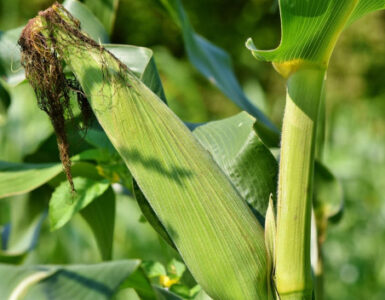



Very good words.
Thanks for posting