

 Sasha Campbell
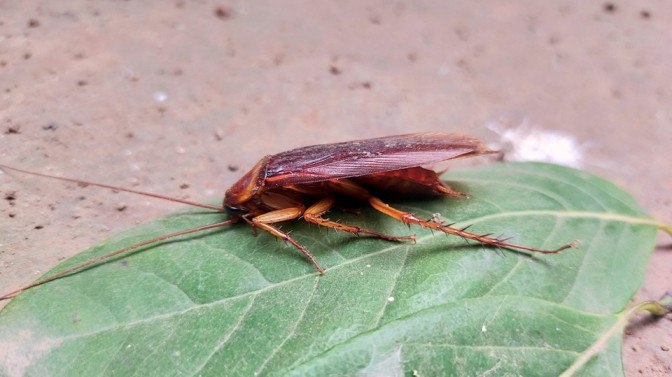
Finding cockroaches in your home can be upsetting. They hide in small spaces, often near food and water. Their droppings and shed skins may also make allergies or asthma worse for some people [1].
To reduce cockroaches and help keep them from returning, find where they are active. Then remove their food, water, and hiding places.
Traps and a vacuum can help you catch or remove some of the roaches already inside.
How to Get Rid of Cockroaches Naturally
These steps work best when used together. Three involve products made from natural sources. Those products are still pesticides, so read their labels and use them with care.
1. Set Out Sticky Traps
Place cockroach sticky traps against walls, under sinks, and near appliances. Check them often to see where you catch the most roaches.
Traps can catch some roaches, but they are most useful for finding where the problem is worst. Keep them away from children and pets [2].
2. Vacuum Up Roaches
Use a vacuum to pick up roaches you can see. A narrow attachment can help you reach cracks and corners.
You can also vacuum up egg cases and loose debris. A vacuum with a HEPA filter may help keep allergens from blowing back into the room. Seal the vacuum contents in a bag and put it in an outdoor bin [3].
3. Try a Jar Trap
Put a small piece of food in the bottom of a deep, smooth jar. Add rough tape to the outside so roaches can climb up.
A little petroleum jelly around the upper inside edge may make it harder for them to climb out.
Place the jar against a wall where you have seen roaches. Check it each morning and keep it away from children and pets.
This homemade trap may catch a few roaches, but use sticky traps to get a clearer picture of where they are active.
4. Use Diatomaceous Earth Carefully
Diatomaceous earth is a fine powder that can dry out cockroaches when they crawl through it. It may help in dry, hidden spaces [4].
Choose a product labeled for indoor cockroach control. Use it only in the places and amounts listed on the label.
Do not spread it across floors, counters, or other open areas. Avoid breathing the dust, and keep children and pets away from treated areas.
5. Be Careful With Essential Oils
Some essential oils have been shown to kill or repel cockroaches in studies. That does not mean a homemade oil spray will clear roaches from a home [5].
Essential oils can irritate people and may harm pets, especially cats. Do not put them where pets can touch or lick them.
If you use a commercial essential oil product, choose one labeled for indoor cockroach control and follow its directions. Do not rely on it as your only treatment [6].
6. Check Neem Product Labels
Neem comes from a tree. Studies have shown it can help control roaches, but there is little evidence that ordinary garden neem oil will clear roaches from a home.
Only use a neem product indoors if its label allows indoor use and lists cockroaches. Follow the directions, and keep the product away from children, pets, and food.
7. Wash Dishes Before Bed
Food left on plates and pans gives roaches a meal overnight. Wash dishes after dinner when you can, and wipe down the sink.
If you cannot wash everything right away, scrape off the food and avoid leaving dirty dishes out overnight.
8. Wipe Up Crumbs and Spills
Sweep or vacuum crumbs from floors, tables, and counters. Wipe up spills as soon as you notice them.
Check places where people eat snacks, too. Small pieces of food can collect beneath chairs and sofas.
9. Clean Behind Appliances
Crumbs and grease can build up behind a stove or refrigerator. Clean these areas when you can safely do so.
Unplug small appliances before cleaning them. Do not pull out a large appliance if you cannot move it safely.
10. Store Food in Sealed Containers
Put cereal, flour, rice, snacks, and pet food in containers with tight lids. Close food packages after every use.
Check cupboards for open or spilled food, including food at the back of a shelf.
11. Empty the Garbage Often
Put food waste in a bin with a lid. Empty it often, especially if it contains food scraps.
Wipe up spills inside and around the bin. If indoor recycling will sit for several days, rinse food from the containers first.
12. Pick Up Leftover Pet Food
After your pet has finished eating, pick up any food left in the bowl. Sweep up pieces that fell on the floor and store the rest in a sealed container.
Always make sure your pet has fresh drinking water.
13. Fix Leaking Pipes and Faucets
A leak can give roaches a steady water source. Check under sinks and around toilets, tubs, and appliances.
Repair leaks as soon as you can. Tell your landlord or property manager about a leak you cannot fix yourself.
14. Dry Damp Areas
Wipe up puddles and spills around sinks, tubs, and counters. Empty standing water from indoor trays or containers.
Look for damp cupboards or walls, too. If an area stays wet, find and fix the cause.
15. Remove Cardboard and Paper Clutter
Roaches can hide in cardboard boxes, paper bags, and piles of newspapers. Recycle what you no longer need.
Store belongings you want to keep in containers with tight lids. Less clutter also makes it easier to spot roaches.
16. Check Things Before Bringing Them Inside
Roaches can travel in boxes, grocery bags, luggage, and used appliances. Check these items before bringing them into your home.
Pay close attention to cardboard boxes and used kitchen appliances.
17. Seal Gaps Around Pipes
Look where pipes pass through walls and cupboards. If you find gaps, seal them with a suitable material.
In apartment buildings, these openings may give roaches a path between homes. Ask your property manager to repair gaps you cannot reach or seal yourself.
18. Seal Cracks Along Walls and Cabinets
Check around baseboards, cupboards, and other places where you have seen roaches. Seal suitable cracks so they have fewer places to hide.
Clean and dry the area first. Do not seal over a leak or block an opening that needs airflow.
19. Add Door Sweeps
If you can see light under an outside door, roaches and other pests may be able to enter. A well-fitting door sweep can help close the gap.
Check the sides of the door, too, and repair damaged weatherstripping.
20. Repair Window and Vent Screens
Look for torn screens and gaps around windows or vents. Repair screens that no longer fit well.
Do not block a vent. Use a screen that allows it to work as intended.
21. Work With Your Neighbors or Property Manager
In an apartment building, roaches may move between homes. Cleaning and sealing one apartment may not solve a problem that affects several units.
Tell the property manager what you have found. Ask for the building to be inspected so the source can be found.
When to Get Professional Help
These steps can help you catch roaches and make your home less welcoming to them. They may not clear a large infestation on their own.
Ask a qualified pest-control professional for help if you keep finding many roaches, see them during the day, or continue catching large numbers in traps. You can ask the company to explain its treatment plan before work begins.
Frequently Asked Questions
Does Vinegar Kill Cockroaches?
Vinegar is useful for cleaning some surfaces, but it is not a reliable way to kill roaches or clear an infestation. Never mix vinegar with bleach.
Do Bay Leaves Keep Cockroaches Away?
There is little evidence that leaving bay leaves around your home will keep roaches away. Cleaning, sealing gaps, and placing traps in the right spots are more useful steps.
Will a Clean Home Still Get Cockroaches?
Yes. Roaches can arrive in boxes, bags, luggage, or used appliances. In an apartment building, they may also come from another unit.
Takeaway
Start by using traps to find where roaches are active. Vacuum up the ones you can, clean away food, fix leaks, and seal gaps.
Diatomaceous earth, essential oil products, and neem products come from natural sources, but use them only when their labels allow indoor cockroach control. If you continue to find many roaches, get professional help.




We bought a nice matching stove and dishwasher online from this nice couple for a fairly great price on our budget. Everything was fine until we got them home. Now, my grand Pa has been living in this house for over 60 years and that entire time he’s never had an infestation of any kind, until now. Roaches were coming out of every party of that stove and dishwasher. I’ve personally never seen one till now. So I just wanted to personally thank you for your great advice to get rid of them at very low or no cost at all. Thank you so much!
The Rowden family