

 Sasha Campbell
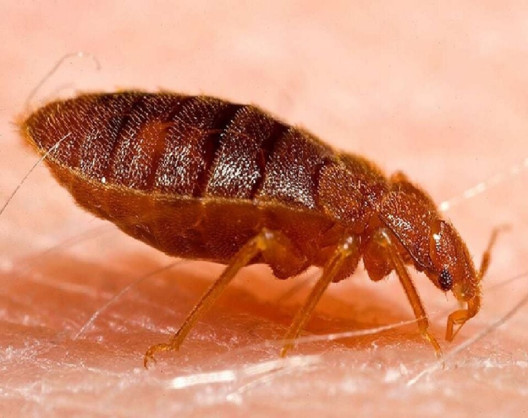
Have you noticed small, itchy red bumps that appear in groups or lines after sleeping? Bed bugs could be the cause, but other insects can also leave similar bites.
Bed bug bites can be very itchy and may disturb your sleep. The good news is that several natural methods can help control bed bugs and reduce their numbers when used correctly.
Signs You May Have Bed Bugs
Common signs include:
- Tiny reddish-brown bugs
- Small dark spots on sheets or mattresses
- Shed skins near hiding places
- Tiny eggs in mattress seams
- A musty smell in serious infestations
How to Get Rid of Bed Bugs Naturally: What Works and What Helps
Below, we will cover the most effective methods using home remedies and natural processes.
However, severe infestations are difficult to eliminate with home remedies alone and may require professional pest control.
1. Diatomaceous Earth
The tiny sharp particles in DE damage the outside layer of bed bugs, causing them to dry out over time.
Apply only a very thin layer of food-grade diatomaceous earth. A thick pile will not work better and can make cleanup harder.
Apply to cracks, crevices, bed frames, and other hiding places. Leave this DIY bed bug treatment in place for several days before vacuuming.
Just be careful not to inhale the particles, as they irritate the nasal passages.
Diatomaceous earth works best when bed bugs crawl through it. It will not kill bugs hiding deep inside mattresses or walls.
2. Hot Washing and Drying
Hot water and high heat drying are effective ways to kill bed bugs on clothing and bedding.
Wash items using the hottest water the fabric allows, then dry them on the highest heat setting for at least 30 minutes. The heat from the dryer is especially important because it can kill bed bugs and their eggs.
3. Clove
Clove oil may help repel bed bugs [1], but it has not been proven to remove an infestation. It should only be used as a supportive method, not as the main treatment.
4. Steam Cleaning
Steam is one of the most effective natural tools for bed bug control. The high-temperature steam kills bed bugs and their eggs on contact.
Slowly apply very hot steam along mattress seams, furniture joints, curtains, and cracks where bed bugs hide. Moving slowly allows the heat to reach hidden bugs and eggs.
This method does not rely on pesticides and works well as part of a larger control plan.
5. Vacuuming and Physical Removal
A powerful but often underestimated method is regular vacuuming. This helps physically remove bed bugs, eggs, and shed skins from mattresses, furniture seams, and floor cracks.
Use a vacuum with a strong-suction nozzle and focus on hidden areas such as bed frames, seams, and baseboards. Immediately empty the vacuum into a sealed bag and dispose of it outside the home.
This reduces the population and prevents spread. Do not forget to vacuum the underside of furniture and bed frames, where bugs often hide.
6. Mattress and Bedding Encasements
Special bed bug-proof encasements trap bed bugs inside your mattress and box spring [2]. They prevent trapped bugs from reaching you and stop new bugs from hiding in seams and cracks.
Because bed bugs can survive for many months without feeding, the cover must remain on for an extended period.
This method doesn’t kill instantly, but it works well for long-term control and prevention.
7. Beauveria bassiana
Beauveria bassiana is a natural fungus used in some pest control products. It can infect and kill bed bugs, but results depend on using the correct product and applying it properly [3].
Follow the product instructions, prepare it as directed, and spray it on areas where bed bugs may hide.
8. Essential Oils
Essential oils may repel some bed bugs for a short time, but they usually do not eliminate an infestation.
Mix a few drops of peppermint, lavender, or tea tree oil with water in a spray bottle and lightly mist around bed frames, baseboards, and luggage.
9. Sunlight Heat Exposure for Fabrics
Direct sunlight can help reduce bed bug activity in items that can’t be easily washed.
Place cushions, shoes, or small furniture items outside in strong sunlight for several hours. The heat buildup can make conditions harder for bed bugs hiding inside to survive.
However, sunlight alone rarely reaches temperatures high enough to eliminate an infestation.
10. Vinegar
Vinegar may kill some bed bugs when sprayed directly on them, but it does not reach hidden bugs or eggs. It should not be relied on to remove an infestation.
It also does not kill eggs hidden in cracks and seams.
11. Clean the Infested Area
The first step in getting rid of bed bugs is to clean the infested area. This means washing all of the bedding and clothes in hot water.
It’s also important to declutter and vacuum thoroughly, as bed bugs love to hide in chair seams, cracks, curtain folds, and other places. Vacuum the furniture and floors, then dispose of the contents.
Keep pets away from treated areas and follow the safety instructions on any product you use. Unlike fleas, bed bugs do not live on pets. However, pets can carry bed bugs into different areas on bedding, blankets, or other items.
Lastly, if you live in an apartment, seal any cracks and gaps that bed bugs may use to travel from nearby units. This can help reduce hiding places and limit movement between rooms.
12. Isopropyl Alcohol Spray (Spot Treatment)
Alcohol may also kill bed bugs when sprayed directly, but it is dangerous because it catches fire easily. Never spray it near flames, heat sources, or large areas of your home.
Because of the fire risk, many pest experts do not recommend using alcohol-based sprays for bed bug treatment.
13. Bed Bug Detection Traps
Bed bug detection traps can help you monitor activity and find out whether bed bugs are still present. Place them near your bedposts and other susceptible areas.
14. Neem Oil
Neem oil is a plant-based product that may help repel some pests, including bed bugs.
Use it to spray areas where you’ve seen bed bugs. However, it rarely removes an established infestation.
15. Heat Treatment (Dryer Method)
One of the most effective natural methods for killing bed bugs is high heat. Unlike herbal remedies, heat actually destroys bed bugs and their eggs.
Place infested clothing, bedding, or fabric items in a dryer on the highest heat setting for at least 30–40 minutes. The sustained heat is what kills them at every life stage.
This method is simple and highly reliable when used consistently.
16. Pyrethrum
Pyrethrum works by attacking the bed bug’s nervous system, causing paralysis and eventually death.
So, if you’re dealing with a bed bug infestation, pyrethrum is worth considering.
Pyrethrum comes from chrysanthemum flowers and is sold as a natural pesticide. However, natural pesticides can still harm people and pets if used incorrectly, so always follow the label instructions [4].
17. Interceptor Traps Under Bed Legs
Interceptor traps are small cups that you can place under bed legs [5]. They physically block bed bugs from climbing onto the bed.
They also capture bugs moving in or out, helping you monitor the severity of an infestation.
This is one of the most effective non-chemical monitoring tools available.
18. Laundry Treatments
Some laundry treatments are designed to help kill bed bugs on washable items. Always follow the product label carefully and use them along with other control methods.
Which Natural Methods Work Best?
Not all natural bed bug treatments work the same way.
Heat, steam, and vacuuming have some of the strongest evidence for reducing bed bugs. Mattress covers and interceptor traps are helpful tools for control and monitoring.
Other methods, such as essential oils, vinegar, and baking soda, may help a little but usually will not remove a large infestation.
Home Remedies That Usually Do Not Remove Bed Bugs
- Baking soda
- Essential oils alone
- Vinegar alone
- Sunlight alone
These methods may provide limited help in some situations, but they usually cannot remove a full infestation.
Prevention Tips
The best way to deal with bed bugs is to stop them before they become a problem. Here are a few simple steps that can help:
Inspect secondhand furniture, mattresses, and clothing carefully before bringing them into your home. Bed bugs often hide in seams, cracks, and folds.
When traveling, check hotel mattresses, headboards, and furniture for signs of bed bugs. Keep luggage off the floor and wash your clothes after returning home.
Reduce clutter around beds and furniture because fewer hiding places make it easier to spot and remove bed bugs.
Use mattress and box spring encasements to block hiding spots and make inspections easier. Vacuum bedrooms regularly, especially around bed frames, baseboards, and furniture seams.
Avoid bringing discarded mattresses, couches, or furniture into your home unless they have been carefully inspected and treated. Avoid placing luggage on beds or upholstered furniture when traveling, as bed bugs can hide in luggage and clothing.
Seal Cracks and Hiding Places
Bed bugs can hide in tiny spaces, including cracks in walls, gaps around baseboards, and spaces around furniture. Sealing these areas reduces hiding spots and makes it easier to control an infestation.
Use caulk to seal cracks around baseboards, walls, bed frames, and other areas where bed bugs may hide. Repair loose wallpaper and fill gaps around pipes or openings if needed.
When to Call a Professional
While some natural methods can help control bed bugs, large infestations can be very difficult to remove on your own.
Consider calling a professional pest control expert if you continue seeing live bed bugs after several treatment attempts. If you find bugs in multiple rooms or notice that the problem keeps coming back, getting expert help is important.
Professionals have special tools and treatments that can reach hidden areas where bed bugs hide. Getting help early can prevent the infestation from spreading and becoming harder to control.
Frequently Asked Questions
Can bed bugs live in your mattress?
Yes. Bed bugs often hide in mattress seams, box springs, and nearby furniture.
A bed bug-proof encasement can help trap them and prevent them from hiding in these areas.
What kills bed bugs naturally?
Heat, steam, vacuuming, and mattress encasements are some of the most effective natural options. Interceptor traps can help monitor and reduce bed bug movement.
Can vinegar kill bed bugs?
Vinegar may kill some bed bugs when sprayed directly on them, but it usually will not remove an infestation.
How long can bed bugs survive without food?
Bed bugs can survive for months without feeding, which is why mattress encasements must remain in place for extended periods.
How do you get rid of bed bugs fast?
The fastest ways to kill bed bugs are heat treatments, steam, and professional pest control. Home remedies usually work best when combined with cleaning, vacuuming, and other control methods.
Takeaway
Bed bugs can affect our health and well-being by causing itchy bites, allergic reactions, sleep disruption, and stress.
Luckily, several natural methods can help control bed bugs when used together. Heat, steam, vacuuming, mattress covers, and interceptor traps are among the most useful options.
For severe infestations, professional treatment may be necessary.




Add comment