

 Sasha Campbell
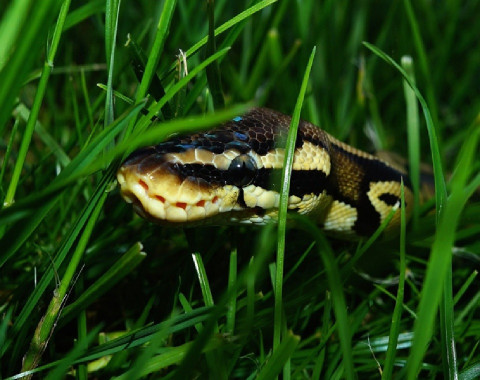
Snakes may enter yards and gardens while looking for food, water, shelter, or a warm place to rest. Finding one can be worrying, but most snakes avoid people. They also help control rodents, slugs, insects, and other pests.
If you want to know how to keep snakes away from your property, start by making the area less inviting. The natural snake deterrents that work best include removing hiding places, controlling rodents, sealing openings, and using snake-resistant fencing when needed.
How to Get Rid of Snakes Naturally
Below are 17 humane methods that can serve as natural snake repellents for your yard, garden, and home. These methods focus on changing the area instead of relying on sprays or scent-based products.
1. Clean Up Your Yard
A messy yard can give snakes many places to hide. Remove piles of sticks, lumber, bricks, cans, old tires, and other unused items.
Keep garden tools, toys, buckets, and empty plant pots off the ground when they are not being used. A clean, open yard gives snakes fewer places to rest.
2. Remove Leaf Piles and Garden Waste
Piles of leaves, weeds, grass clippings, and dead plants can provide cool, damp shelter for snakes. They may also attract insects, slugs, and rodents that snakes eat.
Rake up fallen leaves and remove thick piles of garden waste. Place the material in a closed compost bin or move it well away from your home.
Always use a rake or garden fork before lifting a pile. Never place your hands where you cannot see.
3. Keep the Grass Short
Tall grass gives snakes cover from people and predators. It can also make snakes difficult to see.
Mow your lawn often, especially during warm or rainy weather. However, do not cut the grass so short that you damage it.
Keeping grass at a healthy, tidy height can make your yard less inviting to snakes. It also helps you see them before getting too close.
4. Trim Bushes and Low Branches
Thick bushes and low branches can create hiding places. Some snakes can also climb.
Trim shrubs so the lowest branches are about 1 to 2 feet above the ground. Keep plants from touching the walls or roof of your home.
Remove thick vines growing against buildings. This makes it harder for snakes and rodents to hide or climb.
5. Store Firewood Properly
A loose woodpile can provide a cool, dark place for snakes and rodents.
Keep firewood away from your house, shed, garden, and play areas. Place it on a rack at least 12 inches above the ground. Stack the wood neatly and remove loose bark or leaves around the pile.
Check around the woodpile before picking up a log. Never reach into a space you cannot see.
6. Remove Unwanted Standing Water
Standing water can attract frogs, insects, and other animals that some snakes eat.
Fix leaking faucets, hoses, and irrigation pipes. Improve drainage in places where rainwater collects. Empty buckets, old tires, and other containers that hold water.
You do not need to remove a useful garden pond. Instead, keep the area around it tidy and cut back thick plants that could provide hiding places.
Avoid watering your lawn too much. Utah State University Extension explains that excess water may attract worms, slugs, and frogs, which can then attract snakes [1].
7. Control Rodents
Mice and rats are important food sources for many snakes. If rodents live around your property, snakes may visit while hunting them.
Look for signs such as droppings, chewed containers, nesting material, and small holes near buildings.
Seal possible rodent entry points and remove their food. If you have a large rodent problem, contact a pest-control professional for safe help.
8. Store Pet Food and Animal Feed Safely
Pet food, chicken feed, grass seed, and livestock feed can attract mice and rats.
Keep these products in strong containers with tight lids. Metal containers are a good choice because rodents cannot easily chew through them.
Feed pets indoors when possible. If you feed them outside, remove leftover food and bowls when they finish eating. Do not leave animal food outdoors overnight.
9. Manage Bird Feeders
Snakes do not come to bird feeders to eat the seed. However, spilled seed may attract mice and rats. Some snakes may also search for birds or eggs near feeding areas.
Place bird feeders away from your house. Sweep or rake up spilled seed often. A tray beneath the feeder can help catch falling seed.
You can also use a rodent-resistant feeder. Stop feeding birds for a while if rodents become a serious problem.
10. Secure Trash and Compost
Open garbage and food scraps may attract rodents, insects, and other animals.
Keep household trash in bins with tight lids. Rinse food containers before placing them in outdoor recycling bins.
Use a compost bin with a secure cover. Do not place meat, dairy products, oily food, or cooked food in an open compost pile. Pick up fallen fruit before it begins to rot.
11. Protect Chicken Coops and Animal Pens
Chicken eggs, young birds, animal feed, and rodents can attract certain snakes.
Collect eggs often and clean up spilled feed. Repair holes in coops, rabbit pens, and other animal shelters.
Cover small openings with strong metal mesh. Do not use loose bird netting because snakes and other animals can become tangled in it.
Keep the ground around the coop short and clear. Remove boards, empty feed bags, and other items that could provide shelter.
12. Choose Landscaping Materials Carefully
Large rocks, railroad ties, deep mulch, and loosely stacked stones can create spaces where snakes and rodents hide.
Use smaller, tightly packed gravel when possible. Keep mulch layers shallow near the foundation of your home.
Pinecones, eggshells, sharp rocks, and other rough materials are not proven snake barriers. Snakes can move across many kinds of ground.
Large or loosely placed materials may even create new hiding places.
13. Close Empty Holes Safely
Snakes often use holes made by rodents and other animals. They may also hide in gaps around tree roots.
Never place your hand inside a hole. Watch the hole from a safe distance to see if an animal is using it. Do not close it if you are unsure. A wildlife professional can check it for you.
Once you know the hole is empty, pack it firmly with soil or gravel. Check the area later to see if the hole has opened again.
Do not simply place a rock or concrete block over an active hole. This could trap an animal inside.
14. Block Spaces Beneath Outdoor Structures
Snakes may hide beneath porches, decks, sheds, outdoor steps, and concrete slabs.
Inspect these areas for open spaces. Close gaps with packed soil, solid building material, or fine metal mesh.
The barrier may need to extend about 6 inches below the soil. This helps stop rodents and snakes from pushing beneath it.
Keep leaves and other debris from collecting under decks and around air-conditioning units.
15. Seal Openings Around Your Home
Inspect your foundation, doors, windows, vents, pipes, siding, and utility lines. Snakes may enter through surprisingly small gaps.
Close openings larger than ¼ inch when possible. Use caulk, mortar, expanding foam, sheet metal, or fine metal mesh that fits the area.
Install door sweeps beneath outside doors. Repair broken window screens and damaged vent covers. Make sure siding fits tightly against the building.
Do not block dryer vents, gas vents, or other openings that must release air. Use the correct cover for each vent.
Sealing these spaces can also help keep rodents and insects outside. Mississippi State University Extension recommends closing openings larger than ¼ inch around buildings [2].
16. Install Snake-Resistant Fencing
Snake-resistant fencing can help protect a small yard, garden, or children’s play area. It may be helpful in places where venomous snakes are common.
Use solid material or strong metal mesh with openings no larger than ¼ inch. The fence should be about 36 inches high and buried about 6 inches into the soil.
Angle the fence outward at about 30 degrees. Gates should fit tightly and open toward the protected area.
Keep grass, vines, tree branches, and stacked materials away from the fence. Snakes may use them to climb over it.
Check the fence often for holes, damage, or gaps beneath gates. Colorado State University Extension gives similar instructions for building a snake-resistant fence [3].
17. Let the Snake Leave or Call a Professional
The safest choice is usually to stay back and allow the snake to leave on its own. Keep children and pets indoors while you wait.
If a snake is on a doorstep, driveway, or busy path, a gentle spray from a garden hose may encourage it to move. Spray from a safe distance and give the snake a clear escape path.
Do not use a hose if spraying the snake would make it move toward another person, a pet, or an open doorway. Do not corner it or move closer. Stop if it does not leave.
Never try to pick up, trap, or move a snake unless you have proper training. A trapped or frightened snake may bite when you approach it.
If you cannot identify the snake, act as if it is venomous. Contact a trained wildlife remover, animal control office, or local wildlife agency. Laws about capturing and moving snakes vary by location.
The North Carolina Wildlife Resources Commission also recommends giving snakes space and says that a hose may be used from a distance when a snake must be encouraged to move [4].
Homemade Snake Deterrents That Do Not Work Reliably
Before trying a home remedy for snakes, check whether there is good proof that it works.
Many homemade snake deterrent recipes use vinegar, essential oils, or other strong-smelling products. However, these remedies do not provide dependable protection.
Vinegar
Many people use vinegar as a homemade snake deterrent. However, there is no strong evidence that spraying it around a yard will keep snakes away. Rain and watering will also wash it away quickly.
Essential Oils
Peppermint, lemon, cinnamon, clove, and eucalyptus oils are often shared online as natural snake repellents. However, they are not proven to give dependable protection.
Some essential oils may irritate skin, damage plants, or make pets sick when they are used incorrectly.
Snake-Repellent Plants
Wormwood, society garlic, onions, pink agapanthus, mugwort, and mother-in-law’s tongue are sometimes called snake-repellent plants. There is no solid proof that these plants keep snakes away.
Thick plants may even give snakes more cover if they are not trimmed.
Mothballs
Do not spread mothballs around your yard. They do not work well against snakes and may harm people, pets, and wildlife.
Using mothballs outdoors may also go against the product label. Utah State University Extension advises against using mothballs, sulfur, and other snake repellents [1].
Rough or Sharp Materials
Pinecones, eggshells, gravel, sharp rocks, and other rough materials are not proven to stop snakes. Snakes can move across them.
In some cases, large rocks and loosely placed materials may provide extra shelter.
Safety Tips
Never attempt to handle a venomous snake. Do not touch any snake that you cannot identify with confidence.
Give the snake plenty of room. Do not poke it, corner it, or try to kill it. Many snakebites happen when people try to catch or kill snakes.
Keep children and pets away from the area. Wear closed shoes and gloves when moving wood, leaves, rocks, or other items that may hide a snake.
If someone is bitten, move away from the snake and seek emergency medical care at once. Do not cut the bite, suck out the venom, apply ice, or use a tight band around the limb.
Do not try to catch or kill the snake for identification. You may take a photograph from a safe distance, but never delay medical care to do so.
What Kinds of Snakes Live in Yards and Gardens?
The snakes found in a yard depend on the region. In parts of North America, people may see garter snakes, rat snakes, watersnakes, hognose snakes, corn snakes, or copperheads.
However, these species do not all live in every state or province. Their colors and markings can also vary. This makes it easy to identify a snake incorrectly.
Use a guide from your state or local wildlife agency to learn which snakes live in your area. Never rely only on head shape, eye shape, or color to decide whether a snake is venomous.
Frequently Asked Questions
What is the best natural way to get rid of snakes?
The best approach is to remove food and hiding places. Keep the yard tidy, control rodents, store food securely, seal openings, and use snake-resistant fencing where needed.
How can I keep snakes away from my property?
Remove thick grass, leaf piles, woodpiles, standing water, and other possible hiding places. Control rodents and seal openings around buildings.
These steps are among the most dependable natural snake deterrents that work around homes.
Does vinegar repel snakes?
There is no good evidence that vinegar keeps snakes away. Yard cleanup and sealing entry points are more dependable than this home remedy.
What smells do snakes dislike?
People often recommend peppermint oil, eucalyptus oil, garlic, vinegar, or other strong smells. However, no household smell has been proven to protect a yard from snakes reliably.
What attracts snakes to a yard?
Snakes may visit a yard that offers food, water, shelter, or warmth. Rodents, frogs, insects, tall grass, woodpiles, thick bushes, and open spaces beneath buildings can make a property more inviting.
Do mothballs keep snakes away?
No. Mothballs are not dependable snake repellents. They can also harm people, pets, and wildlife when used outdoors or in ways not listed on the label.
What plants help keep snakes away?
No plant is known to repel snakes reliably. Keeping plants trimmed and removing thick cover will work better than planting so-called snake-repellent plants.
Is it safe to spray a snake with a garden hose?
A gentle spray may encourage a snake to leave if you can remain far away. Do not approach or corner it. Make sure the snake will not move toward another person, a pet, or an open door.
If the snake will not leave, contact a wildlife professional.
How do I stop snakes from entering my house?
Seal cracks and gaps around the foundation, doors, windows, vents, pipes, and utility lines. Install door sweeps and repair damaged screens.
Are snakes beneficial in the garden?
Yes. Many snakes eat rodents, slugs, insects, and other animals that may damage plants or enter homes. Snakes are also an important part of the food chain.
Should I relocate a snake myself?
It is safer to let the snake leave on its own or call a trained professional. Handling or trapping a snake can lead to a bite. Moving wildlife may also be against local laws.
Takeaway
The most useful natural snake repellents for the yard and garden are not special sprays or strong smells. They are simple changes that remove food, water, shelter, and ways to enter buildings.
Keep the yard tidy, control rodents, store animal feed securely, seal gaps around buildings, and consider snake-resistant fencing. These are the natural snake deterrents that work best over time.
Vinegar, essential oils, special plants, mothballs, and rough materials are not dependable solutions.
If you see a snake, remain calm and give it space. Most snakes will leave when they are not bothered. Contact a trained wildlife professional if the snake must be removed.




Excellent information…thank you ☺️