

 Sasha Campbell
This post outlines 17 natural ways to deter chipmunks. These small rodents can become a nuisance by raiding gardens, digging burrows, and stealing from bird feeders.
While some people use poisons, there are many humane and natural ways to discourage chipmunks from visiting your yard.
Identification
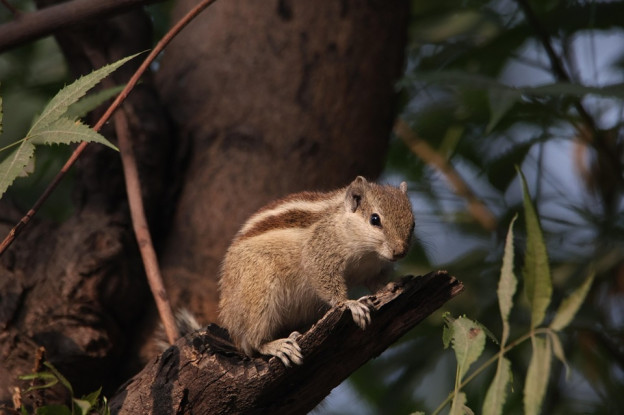
In some areas, chipmunks are everywhere. They are small rodents with reddish-brown or grayish fur and distinctive black-and-white stripes along their backs and faces [1].
You’ll find chipmunks in thick bush areas, gardens, and near buildings.
If you notice frequent digging, burrows, or chipmunks storing food around your yard, it may be time to take steps to discourage them. There are several natural ways to do so, which we will explore below.
How to Get Rid of Chipmunks Naturally
Below are home remedies and humane solutions to naturally keep chipmunks away from the yard and garden. However, natural repellents work differently depending on the environment and the severity of the chipmunk problem.
1. Cayenne Pepper Spray
This hot pepper can be used in many ways to deter pests in your garden.
One such way is to create cayenne pepper spray. Mix 1–2 teaspoons of cayenne pepper with one cup of water and a few drops of dish soap.
Next, spray this mixture around the areas where you see chipmunks. The strong smell and taste may help discourage chipmunks from visiting treated areas.
However, be cautious when applying this DIY chipmunk repellent spray, as it can cause skin irritation.
You can also sprinkle cayenne pepper flakes around your yard or troublesome areas to keep chipmunks away. The pepper flakes will make the area uninviting to the critters, and they will seek food elsewhere.
2. Repellent Plants
Certain plants can keep chipmunks away. Therefore, try adding some of these repellent plants to your garden.
One such plant is the daffodil. It blooms with yellow, white, pink, and orange flowers. It’s an excellent choice for borders and containers.
Garlic is also effective at repelling chipmunks. It’s easy to care for and grows well in most climates.
Another option is marigolds. They have a strong scent that chipmunks may dislike.
3. Clean Up the Garden and Yard
Another effective way to deter chipmunks is to keep your garden and yard tidy.
Make it a habit to clean up any fallen fruit or nuts and remove any old wood piles or debris where they might want to nest.
Also, remove hiding spots like rock piles, dense shrubs, and brush.
4. Human Hair Clippings
Some gardeners claim that scattering human hair clippings around the yard may temporarily discourage chipmunks because of the human scent, though results are mixed.
You can collect hair clippings at home or ask a local hair salon for some to scatter around problem areas.
5. Ultrasonic Devices
Many homeowners prefer humane chipmunk deterrents that are safe for both people and animals.
One option is to use an ultrasonic device. These devices emit high-frequency sounds that may irritate chipmunks and other rodents.
However, they won’t work forever. Results vary, and chipmunks may eventually become accustomed to the sound.
6. Live Trap
A humane live trap can help you capture and relocate chipmunks causing problems in your yard. Bait the trap with sunflower seeds, peanut butter, or nuts, and place it near areas of activity.
Always check traps frequently and follow local wildlife regulations before relocating animals.
7. Motion-Activated Sprinklers
A motion-activated sprinkler is another humane way to scare chipmunks away from your yard and garden.
These devices detect movement and release a quick burst of water whenever a chipmunk comes near.
The sudden spray startles the animals without harming them. It also teaches them to avoid the area.
Motion-activated sprinklers can also help deter other garden pests, such as rabbits, squirrels, and raccoons.
For best results, place the sprinkler near flower beds, vegetable gardens, bird feeders, or other areas where chipmunks are active.
8. Fence Barrier
A fence barrier may help reduce chipmunk activity around your yard or garden. It doesn’t have to be high or elaborate as long as it is tall enough to keep chipmunks out.
Another benefit of a fence barrier is keeping other pests, such as rabbits, squirrels, and raccoons, out of your yard. Therefore, a fence barrier is a great way to keep small animals at bay.
For best results, bury the fence several inches into the ground to help prevent digging underneath.
9. Essential Oils
You can also use essential oils to make a homemade spray for chipmunks in your garden.
All you need is 10–20 drops per cup of water with a little dish soap in a spray bottle. The strong scent may help discourage chipmunks from visiting treated areas.
Other essential oils for your chipmunk spray include citrus, eucalyptus, cinnamon, and clove.
10. Secure Bird and Pet Food
Keep chipmunks away from your bird and pet food by making it inaccessible to them. You can do this by using a covered feeder or by placing the food in a high location they can’t easily reach.
You can also try sprinkling cayenne pepper around where you store your pet food. The smell will deter these and other pests from approaching.
11. Attract Natural Predators
Chipmunks have many predators, but hawks and owls are among the most common. If you make your property hospitable to these predators, you will have fewer problems with chipmunks.
Therefore, take some steps to make your property more hospitable to these predators. Install owl boxes or maintain tall trees that may attract birds of prey.
Also, install nesting boxes and keep a water source.
12. Use Gravel or Hardware Cloth Around Plants
Chipmunks love digging in loose soil around gardens and flower beds. One way to discourage them is to make the ground less inviting.
Try placing gravel, small stones, or hardware cloth around plants and garden borders. These materials make digging more difficult and may encourage chipmunks to move elsewhere.
Hardware cloth can also be placed underneath raised garden beds to help prevent burrowing from below.
This method is especially useful for protecting bulbs, seedlings, and vegetable gardens from damage.
13. Cinnamon
Cinnamon is another home ingredient that chipmunks do not find appealing.
So, sprinkle cinnamon powder around your vegetable garden, flower beds, or other areas where they tend to gather. The spice may temporarily discourage chipmunks.
And if you don’t have enough cinnamon or find it hard to use up your supply, some gardeners also use used coffee grounds as a mild deterrent.
14. Vinegar
Another cheap remedy that works well against chipmunks is vinegar (white or apple cider). The vinegar’s pungent scent may help discourage chipmunks.
However, some people have more success using apple cider vinegar.
Moreover, you don’t have to buy expensive brands. Put some in a spray bottle and spritz it around problem areas and entry points.
Avoid spraying vinegar directly on delicate plants, since it may damage foliage.
15. Seal Cracks and Crevices in the Home
Seal or cover up any cracks or crevices in the exterior to keep these unwanted visitors out of your home. You can use silicone or caulk around doors, windows, and the foundation of the house.
You can also install a metal barrier around the bottom of your home. This helps prevent them from entering crawl spaces or burrowing near the foundation.
Furthermore, if you have a garden, keep any vegetation trimmed back and away from the house, as this can also act as an entry point for these small mammals.
16. Bobbex-R Animal Repellent
Bobbex-R is an eco-friendly spray that keeps groundhogs, chipmunks, deer, and other pests away from your property.
The product contains ingredients that can cause an unpleasant scent for these animals. Moreover, it’s eco-friendly, so you can rest easy knowing it won’t harm the environment.
Be sure to follow the label directions.
17. Bonide Chipmunk, Squirrel, and Rodent Repellent
Another favorite repellent product is Bonide. This repellent is made with botanical oils and is safe for use around your home and garden. It’s also non-toxic.
The repellent can be sprayed directly on the areas where you see the most activity. It will help deter these and other rodents from coming near your home.
Always follow label instructions.
See also: Remedies that naturally keep squirrels away.
Takeaway
Chipmunks are pesky little creatures that can be difficult to get rid of. However, there are many natural and humane deterrent methods you can try.
Since no single method fits all situations, it’s best to combine different deterrents. Using them consistently usually gives the best results.




Add comment