

 Sasha Campbell
Lovebugs can be very annoying. This is especially true when they swarm around your home or cover your car, walls, and outdoor furniture.
Lovebugs do not bite, sting, or spread diseases. However, large swarms can make it hard to enjoy time outside. Their remains can also become difficult to remove from a vehicle after baking in the hot sun.
There is no home remedy that can eliminate an entire love bug infestation. However, several simple methods can keep them out of your home, reduce them around sitting areas, and make cleanup easier.
How to Identify Lovebugs
The scientific name for the common lovebug is Plecia nearctica.
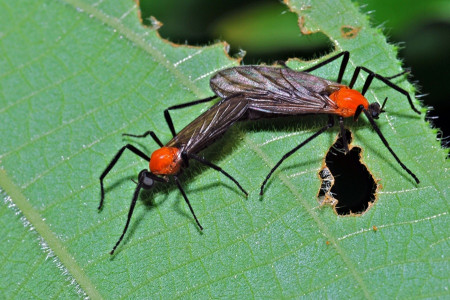
Adult lovebugs have black bodies, smoky wings, and a red or reddish-orange area on top of the middle part of the body. Males are smaller than females.
They are flies, so each lovebug has one pair of wings. People often see a male and female flying together while joined at the rear. This behavior gave them their popular name.
Lovebugs are also called honeymoon flies, double-headed bugs, and March flies.
These insects are common in Florida, the southeastern United States, and along the Gulf Coast. They often gather in large numbers around roads, cars, buildings, and open grassy areas.
Lovebugs are weak fliers. They are medically harmless, but large numbers can cover windshields and block vehicle radiators [1].
When Is Lovebug Season?
In Florida, the two main lovebug seasons usually occur from April to May and again from August to September [2]. The timing may be different in other places.
Lovebugs are active during the day. They usually begin flying after the air becomes warm. They do not fly at night.
Adult lovebugs only live for a short time. However, the flight season may last for several weeks because new adults continue to emerge.
How to Get Rid of Lovebugs Naturally
You cannot stop every lovebug from entering your property. Adults may fly or blow in from nearby areas. Still, the following methods can help keep love bugs away from the places you use most.
1. Use Fans on Patios and Porches
Lovebugs are not strong fliers. A steady breeze can make it difficult for them to land or fly around one spot.
Place a fan near your porch, patio, doorway, or outdoor sitting area. Point the airflow across the area where people sit.
This method will not kill the bugs. However, it can help keep them away while you spend time outside.
The University of Florida recommends using outdoor fans in work and recreation areas to keep lovebugs away [2].
2. Install Window and Door Screens
Good screens can keep lovebugs from entering your home.
Check the screens on your windows, doors, porch, and patio. Repair any holes or loose edges. Make sure doors close tightly and do not leave wide gaps around the frame.
Pay close attention to the side of your home that faces the wind. Lovebugs are often blown against buildings during windy weather.
3. Use a Vacuum Cleaner Indoors
A vacuum cleaner is one of the easiest ways to remove lovebugs that enter your home.
Vacuum them from walls, windows, ceilings, and corners. This keeps you from crushing them and leaving marks on indoor surfaces.
Empty the vacuum outdoors afterward. Place the contents in a sealed bag so the insects cannot escape back into your home.
4. Wash Your Car Soon
Driving through a lovebug swarm can leave hundreds of insects on the front of your vehicle.
Do not allow the remains to sit in the sun for several days. They can dry onto the surface and become hard to remove. The remains can become more acidic with time. Heat from the sun can bake them onto the surface, making them harder to remove and possibly damaging the vehicle’s finish.
Wash your car as soon as you can. Use clean water, car-washing soap, and a soft sponge or cloth. Soaking the bugs with water first can make them easier to remove.
Avoid hard scrubbing because it may scratch the paint.
5. Protect Your Car With Wax
A coat of car wax can make it harder for lovebug remains to stick to the paint. It may also make cleanup easier after driving through a swarm.
Apply a wax made for vehicles and follow the label instructions. Wax the car before the main lovebug season if these insects are common in your area.
The University of Florida recommends waxing the front of a vehicle and removing lovebugs within 24 hours when possible [2].
6. Rinse Outdoor Surfaces
Use a garden hose to rinse lovebugs from walls, windows, sidewalks, and other washable surfaces.
Rinsing will not reduce the lovebug population in your area. However, it can stop dead bugs from building up or becoming stuck to surfaces.
Use gentle water pressure around delicate plants, window seals, and painted areas. Test a small hidden area before cleaning a surface that may be easily damaged.
7. Cover Outdoor Furniture
Lovebugs may land on outdoor chairs, tables, grills, and other objects during a swarm.
Use washable covers to protect these items when you are not using them. You can then remove and rinse the covers when the swarm ends.
This method is helpful for light-colored or shiny furniture. Lovebugs may gather on warm, sunny, and light-colored surfaces.
8. Remove Thick Piles of Wet Plant Waste
Lovebug larvae live near the soil and feed on decaying leaves and grass. Females often lay their eggs in damp, grassy places with dead plant material.
Remove thick piles of wet grass clippings, rotting leaves, and other soggy yard waste near your doors, patio, or foundation. Keep compost piles well managed and place them away from the house when possible.
However, you do not need to remove all the leaves, compost, or garden mulch from your property.
Lovebug larvae help break down dead plant material and return nutrients to the soil. Removing normal garden mulch will also not stop adult lovebugs from flying into your yard.
9. Improve Drainage in Soggy Grassy Areas
Lovebug larvae may develop in moist soil under decaying grass and leaves. Fix leaking outdoor taps and improve drainage in grassy places that remain soggy for long periods.
Do not try to make your entire garden dry. Plants and useful insects still need water. Instead, correct unnecessary wet spots near patios, doors, walkways, and the foundation of your home.
This may make those areas less suitable for lovebug larvae. However, it will not prevent adults from arriving from nearby land.
10. Avoid Crushing Lovebugs on Surfaces
Swatting lovebugs against a wall, curtain, vehicle, or piece of furniture may leave a stain.
Brush them away gently, rinse them off, or use a vacuum cleaner. If you find dead bugs on a surface, remove them before the sun dries them in place.
11. Plan Outdoor Activities Carefully
Lovebugs are active during daylight hours. Their flight often increases after the morning air becomes warm.
If a heavy swarm is present, move outdoor activities to a screened porch or an area with a fan.
If possible, plan outdoor activities for a cooler time when fewer lovebugs are flying. Their activity may change with the temperature, sunlight, wind, and location.
Lovebugs have a short adult life. In many cases, the best option is to protect important areas and wait for the seasonal flight to end.
Can You Kill Love Bugs Naturally?
Some people want a homemade spray that will kill love bugs right away. Mild soapy water may kill individual bugs when it touches them. However, spraying a few adults will not stop a large swarm.
Soap mixtures may also mark painted surfaces or harm plant leaves. Do not spray them on cars, plants, walls, or furniture without first testing a small hidden area.
For bugs inside your home, a vacuum cleaner is usually a cleaner and safer choice. Outside, fans, screens, covers, and regular cleanup offer better long-term help than homemade sprays.
Natural Remedies That May Not Work
Many online remedies suggest using vinegar, mouthwash, citrus peels, essential oils, or strongly scented plants to repel lovebugs. However, there is not enough good evidence that these remedies provide reliable control.
Vinegar, dish soap, mouthwash, and essential oils may stain painted surfaces or damage plant leaves. Some mixtures can also harm pets or beneficial insects.
Plants such as mint, basil, lemongrass, and citronella may repel certain insects under some conditions. However, simply growing these plants near your home is unlikely to stop lovebugs.
Insecticides are not a good long-term solution. They may kill lovebugs they touch, but more insects can quickly fly into the area. These products may also harm bees and other beneficial insects.
Are Lovebugs Harmful?
Lovebugs are not dangerous to people or pets. They do not bite, sting, or carry human diseases.
They also do not cause serious damage to lawns or gardens. Their larvae feed mainly on dead leaves and grass. This helps break down dead plant material and return nutrients to the soil.
The main problems happen when large numbers gather around people, enter buildings, cover vehicles, or block a driver’s view.
Takeaway
No natural remedy can completely eliminate a lovebug swarm. New adults may continue arriving from nearby grassy areas during the short flight season.
Focus on the areas that matter most. Use fans around patios, repair window screens, vacuum bugs that enter your home, cover outdoor furniture, and wash your vehicle quickly.
These simple steps can reduce the nuisance without using harsh pesticides. In most cases, the swarm will decrease on its own after a few weeks.




Add comment