

 Sasha Campbell
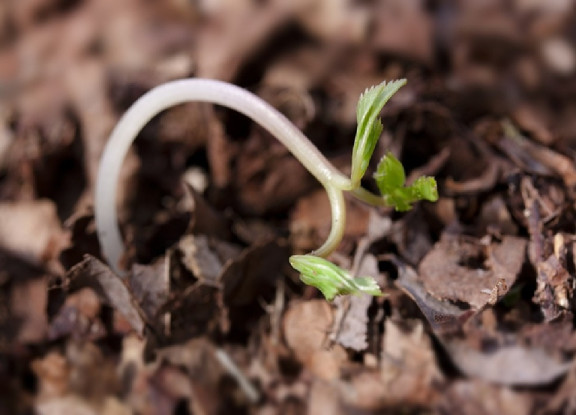
Have you ever seen your healthy seedlings wilt and fall over? If so, you may have faced damping-off.
It’s one of the most frustrating problems for gardeners because it can kill healthy-looking seedlings almost overnight.
The good news? There are several natural and effective ways to prevent and control damping-off.
Identification
Damping off disease can spread very quickly when conditions are cool and wet. It is a common disease that attacks young seedlings, usually right after germination.
The stems may become thin and water-soaked near the soil line. The leaves might also look pale or wilted before the plant falls over completely.
However, damping off can also happen before germination (pre-emergence). The seedlings die before they emerge from the soil.
Damping off is caused by several soil-borne fungi and water molds, including species of Pythium, Rhizoctonia, Fusarium, and Phytophthora [1]. Cold temperatures, high humidity, and overcrowding only make the problem worse.
Once damping-off takes hold, it spreads quickly from one seedling to another. It often kills a large section or an entire tray of young plants [2].
Damping-off can affect almost any type of plant seedling. It’s particularly common among vegetables like tomatoes, peppers, lettuce, beans, peas, and cabbage.
Flower seedlings such as zinnias, petunias, and marigolds can also fall victim to this disease. Even plants like cannabis and corn can suffer from damping-off.
Once a plant matures, however, it usually becomes less vulnerable.
How to Prevent and Control Damping-Off Naturally
You can take action to prevent damping-off from happening or spreading. Below are some home remedies and natural products that you can try.
1. Hydrogen Peroxide
Hydrogen peroxide is one of the simplest natural remedies for damping-off. It may help reduce fungal spores on the soil surface when used correctly.
One advantage of this solution is that it does not harm the seedlings when used correctly.
Mix 1 tablespoon of 3% hydrogen peroxide with 2 cups of water, then lightly water the soil before planting.
You can also use this mixture to water your young plants. It may help reduce harmful microbes around young seedlings and temporarily release oxygen as it breaks down.
Hydrogen peroxide is also sometimes used as a home remedy for root rot in houseplants.
2. Sanitize All Seed Trays and Tools
Damping-off pathogens often linger on equipment. For this reason, sanitize seed trays, pots, and tools before planting.
Wash everything with hot, soapy water, then soak for about 20 minutes in a 10% bleach solution. You can also disinfect tools with 70% rubbing alcohol.
Never reuse potting soil that has previously hosted infected seedlings.
3. Crop Rotation
Crop rotation may help reduce damping-off in garden beds where the disease has been a problem. Fungi and water molds can survive in the soil from one season to the next, waiting for the same type of crop to return.
So, by rotating your crops, you can reduce the buildup of harmful soil-borne pathogens.
If damping-off has been a problem in one garden bed, avoid starting new seedlings in the same soil the following season. Instead, grow seedlings in fresh potting mix or rotate to a different area of the garden whenever possible.
4. Beneficial Microorganisms
Introducing beneficial microorganisms into your soil can help beneficial microbes outcompete the fungi and water molds that cause damping-off. Products containing Trichoderma or Bacillus subtilis are especially effective.
5. Do Not Overwater
Overwatering is one of the primary triggers of damping-off. Seedlings need moisture to germinate, but their soil should never stay soggy.
As a result, allow the top layer of soil to dry slightly between waterings. Also, make sure your containers have drainage holes.
6. Neem Oil
Neem oil is a natural plant oil with fungicidal and insecticidal properties. It is seen as a potential treatment for controlling tomato damping-off [3].
Neem oil may help slow the growth of some fungi and water molds. It works best as a preventive treatment rather than a cure once seedlings have collapsed.
To make a homemade damping-off spray, mix two tablespoons of neem oil with a gallon of water. Also, add two teaspoons of mild liquid soap or pure castile soap to the mixture.
Shake well before and during use because neem oil naturally separates from water. Lightly spray the soil and seedlings.
7. Do Not Overcrowd Plants
Crowded seedlings trap moisture and restrict airflow, creating ideal conditions for damping-off.
Therefore, always thin out your seedlings. This gives each seedling enough room to grow and allows air to move freely between plants.
8. Cinnamon
Cinnamon has natural antifungal properties and may help slow fungal growth on the soil surface.
Therefore, sprinkle a thin layer of ground cinnamon over the soil surface right after planting your seeds.
9. Chamomile Tea
Some gardeners use cooled chamomile tea because it may help slow fungal growth, although scientific evidence is limited.
To give it a try, place one chamomile tea bag in four cups of hot water. Let it sit overnight. Use this DIY solution to mist your seedlings.
10. Baking Soda
Baking soda may help reduce certain fungal problems on plant leaves, but there is little evidence that it controls damping-off in the soil. It may be worth trying as a preventive treatment, but don’t rely on it alone.
Mix one teaspoon of baking soda with a quart of water and a few drops of liquid soap. Spray the mixture on the soil surface or around the base of the seedlings.
11. Garlic Tea
You can also try garlic tea.
Garlic contains natural compounds with antifungal properties, but there is limited scientific evidence that garlic tea prevents damping-off. Some gardeners still use it as a natural preventive spray.
To give it a try, blend 2 garlic bulbs with 1 cup of water. Afterward, mix the concentrated garlic water with a gallon of water.
Use it as a soil drench.
12. Actinovate AG Biofungicide
Actinovate AG is an organic biofungicide. It uses a beneficial microbe to combat damping-off and other soil-borne diseases.
Prepare it according to the package instructions and apply it to the soil before the disease takes hold. However, it also works in the early stages of disease development.
13. Serenade ASO Biofungicide
Serenade ASO is another organic treatment effective against soil- and foliar-fungal diseases.
It is a popular biofungicide used by many organic gardeners to help manage a wide range of fungal diseases. Apply it according to the package instructions.
How to Prevent Damping-Off When Starting Seeds Indoors
Always begin with fresh, sterile seed-starting mix rather than garden soil, which can harbor the fungi that cause damping-off. Also, use clean containers with drainage holes so excess water can drain, and water the soil lightly rather than soaking it.
Good air circulation is just as important, so avoid crowding seedlings and consider using a small fan to keep the air moving.
Place seedlings in bright light or under grow lights to help them grow strong. In addition, keep temperatures warm and humidity from becoming too high.
You could also sprinkle cinnamon powder onto the soil surface. This will help prevent damping-off fungi from growing.
Water seedlings from the bottom whenever possible. Bottom watering helps keep the soil surface drier, making it harder for damping-off organisms to thrive.
Remove any seedlings that become infected right away. This helps stop the disease from spreading to nearby plants. Throw infected seedlings in the trash instead of adding them to your compost pile.
Takeaway
Damping off can destroy your seedlings in just a few days. However, with a bit of prevention and care, you can stop it before it starts.
Keep your seed-starting mix clean, avoid overwatering, give seedlings plenty of fresh air and light, and use natural antifungal treatments when needed. These simple steps can go a long way toward keeping your seedlings healthy.






Add comment