

 Sasha Campbell
Some seeds can take a long time to sprout. Their hard outer coating, called a seed coat, may slow down water from reaching the inside of the seed.
Soaking seeds before planting can help solve this problem.
When seeds sit in water, they absorb moisture. This softens the seed coat and helps start the natural process that allows the seed to grow [1].
As a result, some seeds may sprout faster and more evenly. However, soaking does not guarantee germination if the seeds are old, damaged, or planted in poor conditions.
Additionally, not every seed needs soaking. Some seeds are small, soft, or already easy to germinate.
Learning how to soak seeds the right way can help you grow stronger seedlings and get your garden off to a better start.
Soak seeds only when you are ready to plant them, since they should be planted soon after soaking.
Why Soak Seeds Before Planting?
A seed needs water, oxygen, and the right temperature to germinate. Water is often the first step.
When a dry seed absorbs water, several changes begin inside it. The seed becomes swollen, and the tiny plant inside starts to grow.
Soaking can also soften a tough seed coat. This may make it easier for the young root to break through.
For some large seeds, soaking can save several days of waiting.
How Does Seed Soaking Work?
Seeds have a protective outer covering. This covering helps protect the seed from damage and drying out.
Some seeds have very hard seed coats. Water may take longer to pass through them.
Soaking gives the seed plenty of moisture before it goes into the soil. This can help start the germination process sooner.
Once the seed has swollen, plant it in moist soil.
Recommended Seed Soaking Times
4–8 Hours
- Corn
- Cucumbers
- Melons
- Sunflowers
8–12 Hours
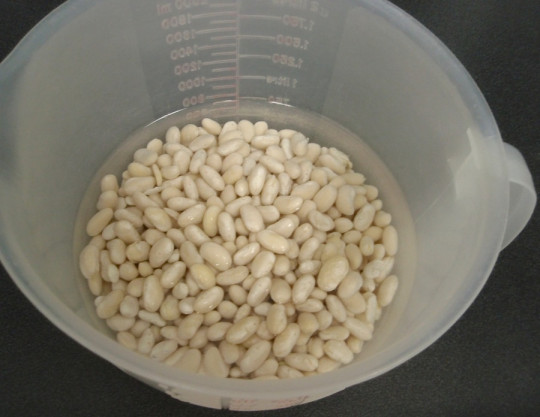
- Beans
- Peas
- Pumpkins
- Squash
- Nasturtiums
12–24 Hours
- Okra
Usually Do Not Need Soaking
- Lettuce
- Carrots
- Most herbs
- Pelleted seeds
These are general guidelines. Always check the seed packet for specific soaking instructions.
Best Practices for Soaking Seeds
Use Clean Water
Always use clean water when soaking seeds.
Tap water is usually fine for most garden seeds. You can also use filtered water.
Avoid using water that is dirty or has an unusual smell. Poor-quality water may contain substances that can harm young seedlings.
Use Lukewarm Water
Lukewarm water is usually best for soaking seeds.
The water should feel comfortable to the touch. It should not be hot.
Very hot water can damage the seed. Cold water can also work, but lukewarm water may help seeds absorb moisture more quickly.
Do Not Use Boiling Water
Boiling water can kill seeds.
Seeds contain a tiny living plant inside. Extreme heat can damage them.
Even if the seed looks fine after soaking, it may no longer be able to grow.
Always use lukewarm water instead.
Choose a Clean Container
Use a clean cup, bowl, or small container.
Wash the container before use. This helps reduce the chance of mold and harmful bacteria.
If you are soaking several types of seeds, use separate containers. This makes it easier to keep track of each variety.
Label Your Seeds
It is easy to forget which seeds are soaking.
Write the name of each seed on a small label. You can also write the soaking time.
For example, your label might say: Bean seeds — soak overnight. This simple step can prevent mistakes.
How Long Should You Soak Seeds?
Most large seeds can be soaked for about 8 to 12 hours.
Some seeds need less time. Others may benefit from a longer soak.
However, avoid soaking seeds longer than recommended because too much time in water can damage them.
Seeds need oxygen as well as water [2]. Without enough oxygen, seeds may rot instead of germinating.
Soak Seeds Overnight
Soaking seeds overnight is one of the easiest methods.
Place the seeds in lukewarm water in the evening. Let them soak while you sleep.
Plant them the next morning.
This method works well for many large seeds, such as beans, peas, corn, pumpkins, and some squash seeds.
Do Not Soak Every Seed Overnight
Small seeds often do not need a long soak.
Tiny seeds can become difficult to handle when wet. Some may also stick together.
Very small seeds are often best planted directly into moist soil.
Always consider the size and type of seed before soaking.
Plant Soaked Seeds Quickly
Drain the seeds after soaking and plant them soon afterward. Do not allow them to dry out completely.
Once a seed absorbs water, the germination process may have started. Letting it dry again can harm the seed.
Plant soaked seeds in moist soil, but avoid soil that is soaking wet. Also, handle soaked seeds gently because they become softer after absorbing water.
Which Seeds Should You Soak Before Planting?
Some large seeds often benefit from soaking before planting.
Beans
Bean seeds have a firm seed coat. Soaking can help them absorb water and may speed up germination.
Peas
Soaking peas can help them absorb moisture before they go into the soil.
Corn
Corn seeds can be soaked for about 4 to 8 hours before planting, but avoid soaking them longer because they may crack or rot.
Pumpkins and Squash
Pumpkin and squash seeds have tough seed coats. Soaking may help soften them and make it easier for the young roots to emerge.
Cucumbers and Melons
Cucumber and melon seeds may benefit from soaking. Plant them in warm soil with good drainage.
Okra
Okra seeds have a hard coating. Soaking them overnight may help water reach the inside of the seed.
Sunflowers and Nasturtiums
These seeds can also have tough seed coats. A short soak may help them absorb water more easily.
Some gardeners also lightly scratch the seed surface before soaking to help the water enter.
Seeds That Usually Do Not Need Soaking
Tiny seeds such as lettuce, carrots, and many herbs usually do not need soaking.
Wet, tiny seeds can become sticky and difficult to plant evenly.
Some seeds are also delicate and may be damaged by too much moisture.
Do Not Soak Pelleted Seeds
Pelleted seeds have a special coating that makes them easier to plant.
Soaking may cause this coating to break down too early.
Plant pelleted seeds according to the instructions on the seed packet.
Do Not Soak Seeds That Are Already Sprouting
If a seed has already started to sprout, handle it gently. The new root can break easily.
Plant the seed carefully with the small root pointing downward, if possible. Avoid touching or breaking the root.
How to Soak Seeds Before Planting
Follow these simple steps:
- Place the seeds in a clean container.
- Add enough lukewarm water to cover them.
- Let the seeds soak for the recommended time.
- Drain the water.
- Plant the seeds in moist soil.
- Keep the soil evenly moist.
- Give the seeds the right amount of warmth and light.
The process is simple, but timing matters.
Should You Add Anything to the Water?
Plain water is usually all you need.
Avoid adding strong fertilizers or other substances unless you know they are safe for the specific seeds.
For most gardeners, clean water is the simplest and safest choice.
Common Seed-Soaking Mistakes
Soaking Seeds Too Long
Longer soaking is not always better. Seeds can become soft, rotten, or moldy.
Using Hot Water
Hot water can damage seeds.
Always use lukewarm water.
Letting Soaked Seeds Dry Out
Plant soaked seeds soon after draining them.
Overwatering After Planting
Soaked seeds still need oxygen.
Keep the soil moist but not waterlogged.
Seeds You Should Scarify Instead of Soak
Some seeds have such hard seed coats that soaking alone may not soften them enough. These seeds may benefit from scarification, which means gently scratching or nicking the seed coat before planting.
Examples:
- Sweet peas
- Lupine
- Morning glory
- Other hard-coated flower seeds
FAQ
Should You Add Anything to the Soaking Water?
Plain water is usually enough.
Many gardeners add other ingredients to soaking water. However, these are not always necessary.
Strong fertilizers or chemicals can damage seeds.
For most home gardeners, clean water is the safest choice.
Can You Soak Seeds in Compost Tea?
Some gardeners soak seeds in weak compost tea because they believe it may introduce beneficial microorganisms. However, plain water is usually enough for soaking seeds.
However, the compost tea must be well-made and clean. Poorly prepared mixtures can contain harmful organisms.
Plain water is still the easiest and safest option for most gardeners.
Should You Soak Seeds in Hydrogen Peroxide?
Some gardeners use very diluted hydrogen peroxide solutions as a seed treatment. However, research on its benefits is limited, and using too much can damage seeds.
Clean water and good planting conditions are usually enough to help seeds germinate.
Is Soaking Seeds Always Necessary?
No. Many seeds germinate perfectly well without soaking.
Seed soaking is simply a helpful technique for certain types of seeds. Good seeds, healthy soil, the right temperature, and proper moisture are all important.
Takeaway
Soaking seeds before planting is an easy technique that can help some seeds germinate faster.
Large seeds such as beans, peas, corn, pumpkins, squash, cucumbers, melons, and okra often benefit from soaking.
Small seeds usually do not need this extra step.
Use clean, lukewarm water, avoid soaking seeds for too long, and plant them soon after draining. With the right care, this simple method can help your garden get off to a stronger start.




[…] gardeners soak seeds in a diluted hydrogen peroxide solution for about 30 minutes before planting. This may help soften […]