

 Sasha Campbell
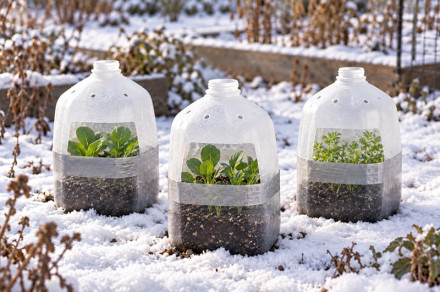
You do not have to wait until spring to start seeds. You can begin during winter by turning empty milk jugs into small outdoor greenhouses.
This method is called winter sowing. It is an easy and low-cost way to start certain flowers, herbs, and vegetables. The jug gives the seeds some shelter while still exposing them to winter weather.
When the weather becomes warm enough, the seeds sprout. The young plants receive natural sunlight and become used to outdoor conditions as they grow.
Traditional winter sowing works best in places with cool or freezing winters. Gardeners in warm climates can still use milk jugs to start seeds. However, the weather may not provide the cold period that some seeds need.
If you are new to winter gardening with milk jugs, these steps will help you get started.
What Is Winter Sowing?
Winter sowing means planting seeds in covered containers and leaving them outdoors during winter. The container acts like a mini greenhouse.
Some seeds need a cold and damp period before they can sprout. This process is called cold stratification. The cold and moisture help these seeds come out of their resting stage. They can then sprout when the weather becomes warm enough.
Milk jugs work well because they allow light to enter and are deep enough to hold several inches of soil. They are also easy to carry and reuse.
According to the University of Illinois Extension, winter sowing is a low-cost and low-care way to start plants for the garden [1].
Benefits of Winter Sowing in Milk Jugs
Winter sowing allows you to start seeds without filling your home with trays and pots. You may not need grow lights, heat mats, or a large indoor growing area.
The seedlings receive natural sunlight when they emerge. This can help them grow short and strong instead of becoming thin and stretched.
Winter-sown plants are also used to changing outdoor temperatures. They may require less hardening off than plants grown indoors. However, they still need a gentle change from the covered jug to the open garden.
Other benefits include:
- Saving space inside your home
- Starting many seeds at a low cost
- Reusing empty plastic containers
- Giving certain seeds the cold period they need
- Beginning your garden before spring arrives
Winter sowing is simple, but you must still check the soil and watch the seedlings as the weather becomes warmer.
Supplies You Will Need
You will need:
- A clean, clear, or semi-clear plastic milk jug
- Scissors or a utility knife
- Light potting or seed-starting mix
- Seeds
- Water
- Strong outdoor tape
- A weatherproof label or paint marker
Wash the jug well so no milk remains inside it.
Do not use soil taken directly from your garden. It may become hard and heavy inside the jug. Instead, choose a fresh, light potting mix that drains well. A very coarse mix may make it harder to plant tiny seeds.
How to Cut Milk Jugs for Winter Sowing
You can remove the cap and leave it off. The open top lets air, rain, and melting snow enter the jug.
You may keep the cap on if you make several ventilation holes near the top or cut an opening in the side. The jug should never be fully sealed. If you keep the cap on, check the soil because less rain may enter the jug.
Make several drainage holes in the bottom. You can also add a few holes near the lower sides. Seeds may rot if extra water cannot drain away.
Next, cut around the middle of the jug just below the handle. Cut through about three-fourths of the container. Leave a small part attached below the handle to create a hinge.
Be careful when cutting the plastic. Place the jug on a steady surface and cut away from your body. Keep children away from sharp tools.
Milk Jug Winter Sowing Instructions
These milk jug seed starting instructions are easy for beginners to follow.
Add three to four inches of moist potting mix to the bottom of the jug. The soil should feel like a damp sponge. It should be moist but not dripping wet.
Plant the seeds at the depth shown on the seed packet. Some tiny seeds need light to sprout. Press these gently onto the soil instead of covering them. Larger seeds are usually covered with a thin layer of potting mix.
The seeds do not need perfect spacing, but do not plant them too thickly. Crowded seedlings may compete for light and room.
Close the jug and tape the cut section together. Leave the cap off.
Write the plant name and sowing date on the jug. You can also place a weatherproof label inside it. Mark the jug in more than one place because outdoor ink may fade.
Where to Place the Milk Jugs
Place the milk jug greenhouses outdoors in a bright area. Choose a spot that receives sunlight, rain, and snow but has some protection from strong wind [2].
Set the jugs on a firm surface that allows water to drain. A patio, raised bed, or open part of the garden may work well.
You do not need to bury the jugs in snow. However, falling snow may cover them for a time. This is usually not a problem. Make sure the drainage holes are clear when the snow melts.
You can group the jugs inside a shallow crate to keep them from falling over. Do not leave them in a tray that collects standing water.
Avoid placing the jugs against a warm house wall. Heat from the building may cause the seeds to sprout too soon.
Which Seeds Are Best for Winter Sowing in Milk Jugs?
Cold-hardy vegetables and flowers are often good choices. Native flowers and perennials that need cold stratification may do especially well.
Seeds that may benefit from winter cold include:
- Milkweed
- Coneflower
- Black-eyed Susan
- Columbine
- Some types of lupine
- Lavender
- Poppies
Cold-tolerant plants that may also be winter sown include:
- Snapdragons
- Kale
- Broccoli
- Cabbage
- Brussels sprouts
- Spinach
- Lettuce
- Parsley
Seed needs can differ by species and variety. Some milkweed seeds need a cold period, while others do not. Some lupine seeds may need to be scratched or soaked before planting. Lavender can also be slow to sprout.
Always read the seed packet. Look for words such as “cold stratification,” “sow outdoors in fall,” “hardy annual,” or “perennial.”
Tomatoes, peppers, squash, cucumbers, basil, and zinnias can be damaged by freezing temperatures. If you want to sow these tender plants in jugs, wait until closer to your last expected frost date.
In many cold areas, gardeners sow hardy perennials and native plants in January or February. Tender plants are started closer to spring.
How to Care for Winter-Sown Seeds
Check your jugs from time to time during winter. Check them more often when the weather warms and the seeds start growing.
The soil should stay slightly moist. Rain and melting snow may provide enough water. If the soil looks dry, set the jug in a shallow pan of water for a short time. The soil will draw water through the holes.
You can also water gently around the sides. Do not pour a strong stream of water over tiny seeds or seedlings.
A taped jug can become very warm on a sunny day. Once seedlings appear, remove or cut the tape and open the hinged top during warm weather. Close the top again if a cold night or hard freeze is expected.
Leave the jug open for longer periods as the weather warms. Watch the soil closely because an open jug dries out faster.
When to Transplant the Seedlings
Seedlings can be moved when they have true leaves and the weather is right for that plant. True leaves appear after the first small seed leaves.
Cold-hardy plants may be ready while the weather is still cool. Tender plants should remain protected until the danger of frost has passed.
Water the soil before removing the seedlings. Open or cut back the jug and gently lift out the soil.
Separate the seedlings if their roots come apart easily. If they are growing close together, divide the soil and roots into small groups. Plant each group together instead of pulling apart every tiny seedling.
Plant them at the same depth at which they grew in the jug. Water them well and watch them closely for the next several days.
Common Winter Sowing Mistakes
Starting every seed at the same time is a common mistake. Hardy and tender plants have different needs. Tender seeds planted too early may sprout during a warm spell and die when freezing weather returns.
You should also avoid:
- Using heavy garden soil.
- Forgetting drainage holes.
- Leaving the cap on.
- Letting the soil dry out.
- Allowing seedlings to overheat.
- Forgetting to label the jugs.
- Keeping the cap on without adding other air holes.
Is Winter Sowing Worth Trying?
Winter sowing in milk jugs is a simple way to start seeds outdoors. It saves space, costs very little, and helps many plants grow under natural conditions.
The method works especially well for native flowers, hardy annuals, cold-tolerant vegetables, and perennials that need a cold period.
Start with two or three jugs if you are a beginner. Choose suitable seeds, follow the directions on the seed packets, and let the changing seasons help prepare your next garden.




Add comment