

 Sasha Campbell
Winter squash is one of the best foods to grow for long-term storage. Unlike summer squash, winter squash develops a firm rind as it ripens. This hard outer layer helps protect the flesh inside.
Some winter squash types last only one or two months. Others may stay fresh for up to six months under the right conditions. Growing different types can give you a steady food supply throughout fall and winter.
The storage times below are estimates. Each squash must be fully mature, undamaged, and stored in a suitable place. Its storage life may also change based on the exact variety, growing conditions, and storage temperature.
What Is Winter Squash?
Winter squash is not named for the season in which it grows. It is a warm-season crop that grows during warm, frost-free weather. Gardeners harvest the fruit when it is fully mature.
In areas with cold winters, harvest often takes place in late summer or fall. In warm climates, planting and harvesting times may be different.
Winter squash has a harder rind than zucchini and other summer squash. Most types also have firm flesh and a hollow center filled with seeds.
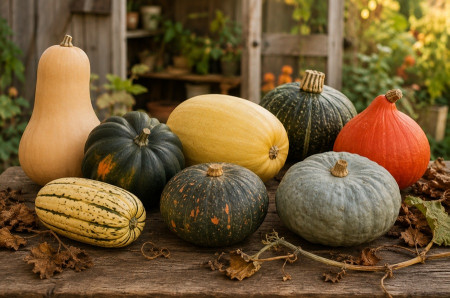
Acorn, butternut, delicata, spaghetti, buttercup, kabocha, and Hubbard are all types of winter squash. Pumpkins also belong to this group.
Properly stored winter squash may last 1 to 6 months. University of Minnesota Extension recommends storing it at about 50 to 55°F with around 50% humidity [1].
Winter Squash Storage Chart
| Squash type | Estimated storage life |
| Acorn | 1–2 months |
| Delicata | 1–2 months |
| Sweet dumpling | 1–2 months |
| Carnival | 1–2 months |
| Spaghetti | 1–3 months |
| Butternut | 2–3 months |
| Buttercup | About 3 months |
| Kabocha | 2–4 months |
| Red kuri | 4–5 months |
| Banana | About 3–6 months |
| Hubbard | Up to 6 months |
| Sweet Meat | About 4–6 months |
These times apply to whole, uncut squash stored under good conditions. The exact storage life may vary.
List of Popular Types of Winter Squash
1. Acorn Squash
Expected storage life: 1 to 2 months
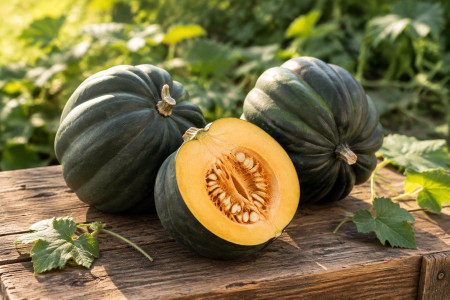
Acorn squash is small and shaped like a large acorn. Most types have dark green skin. Others may be orange, white, or a mix of colors.
The yellow-orange flesh has a mild and slightly sweet flavor. You can bake the halves and fill them with rice, meat, vegetables, or other foods.
Acorn squash has a thinner rind than many larger types of winter squash. Because of this, it does not last as long in storage. Try to use it before the longer-lasting squash in your collection.
Do not cure acorn squash in high heat. Warm curing may lower its quality and shorten its storage life.
2. Delicata Squash
Expected storage life: 1 to 2 months
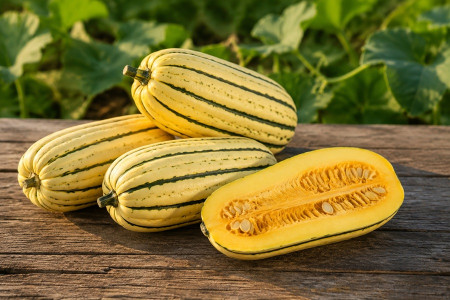
Delicata squash is long and narrow. It usually has pale yellow or cream skin with green or orange stripes.
Its skin becomes tender enough to eat after cooking. This saves you the trouble of peeling it. The flesh is sweet and may taste a little like corn or sweet potato.
The thin rind means delicata does not store for very long. Keep it in a cool place and use it early. Like acorn squash, delicata should not go through a warm curing period.
3. Sweet Dumpling Squash
Expected storage life: 1 to 2 months
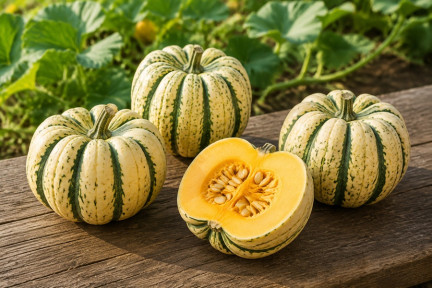
Sweet dumpling is a small, round squash with deep ridges. Its cream-colored skin often has green stripes. The flesh is sweet and smooth.
Its small size makes it good for a single serving. You can cut it in half, remove the seeds, and bake it.
Sweet dumpling has a fairly thin rind. It does not last as long as thick-skinned squash. Do not cure it in high heat with butternut or Hubbard squash. Plan to eat it within the first 1 to 2 months of storage.
4. Carnival Squash
Expected storage life: 1 to 2 months
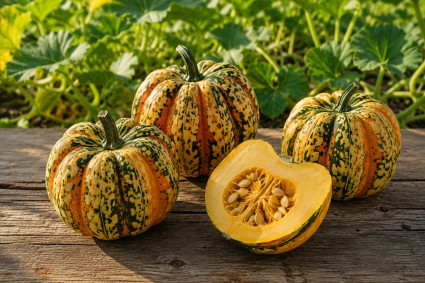
Carnival squash is known for its bright mix of green, orange, yellow, and cream. Its shape is much like an acorn squash.
The flesh is yellow, mild, and slightly sweet. It works well in soups, roasted dishes, and stuffed squash recipes.
Carnival squash is beautiful enough to use as a fall decoration. However, leaving it outside for too long can shorten its shelf life. Bring it inside before frost or freezing weather arrives.
5. Spaghetti Squash
Expected storage life: 1 to 3 months
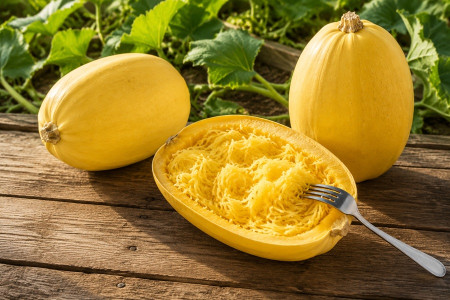
Spaghetti squash has a round or oval shape and a firm yellow rind. When cooked, its flesh pulls apart into long strands. These strands look a little like noodles.
You can serve them with tomato sauce, herbs, cheese, or cooked vegetables. Spaghetti squash has a mild flavor that works well with many meals.
Scratches, cuts, and bruises can cause it to spoil early. Choose firm squash with no soft areas. Check each fruit often and remove any that show signs of decay.
6. Butternut Squash
Expected storage life: 2 to 3 months
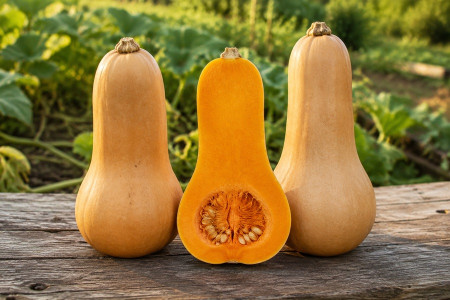
Butternut squash has smooth tan skin and a long neck. Most of its seeds are inside the round bottom section.
The orange flesh is smooth, sweet, and easy to use. It is popular in soup, pie, bread, roasted dishes, and mashed squash.
Butternut squash stores better than acorn or delicata. Illinois Extension reports that butternut squash may last for up to three months under good storage conditions [2].
Some butternut squash may taste sweeter after resting for a few weeks. During this time, some of the starch in the flesh changes into sugar.
7. Red Kuri Squash
Expected storage life: 4 to 5 months
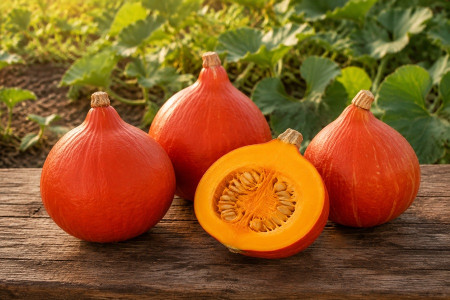
Red kuri squash has a bright red-orange rind and a teardrop shape. It is also called orange Hokkaido squash.
Its firm golden flesh has a sweet, nut-like flavor. The skin softens during cooking, so you may not need to peel it.
Under ideal conditions, Red kuri squash may last for four to five months. However, results can vary. Keep it out of direct sunlight, and check the rind often for soft spots or other signs of decay.
8. Buttercup Squash
Expected storage life: About 3 months
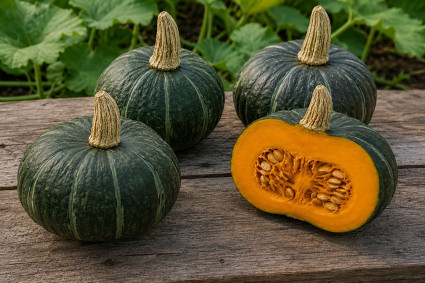
Buttercup squash has dark green skin and a round, flat shape. Many fruits have a raised area on the bottom.
The deep orange flesh is thick, dry, and sweet. It is good for baking, mashing, soups, and pies.
Buttercup squash stores longer than many small winter squash types. Its rind may lose some of its green color during storage. A color change does not always mean the squash has spoiled.
Check it for soft areas, mold, cracks, leaking liquid, or a bad smell. These are stronger signs that the squash is no longer good.
9. Kabocha Squash
Expected storage life: 2 to 4 months
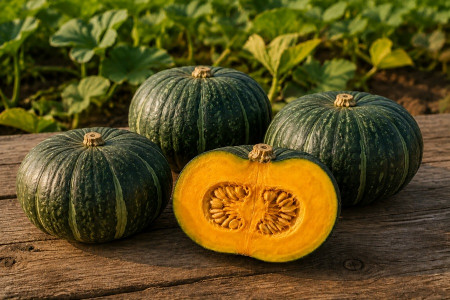
Kabocha is sometimes called Japanese pumpkin. It is usually round with dark green skin, although some types have orange skin.
Its flesh is sweet, dense, and rather dry. People often compare its flavor to a mix of pumpkin and sweet potato.
Kabocha may taste better after resting for a short time. Some of the starch slowly changes into sugar, which can make the flesh taste sweeter. Store it in a cool place with good airflow.
Storage life varies by variety. Some kabocha squash may begin losing quality after two or three months, while others can last longer.
10. Banana Squash
Expected storage life: About 3 to 6 months
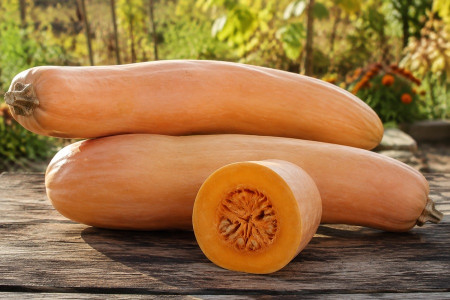
Banana squash is a large and long winter squash. Its rind may be pink, orange, blue-gray, or a mix of colors.
Because the fruits can grow very large, stores sometimes sell cut pieces instead of whole squash. Refrigerate cut pieces and use them within a few days. They will not last as long as a whole fruit.
Whole banana squash has a thick rind and may keep for several months. Its orange flesh works well in soup, pie, baked dishes, and other recipes.
Storage life varies by variety and growing conditions. A fully mature squash with an undamaged rind will usually last the longest.
11. Hubbard Squash
Expected storage life: Up to 6 months
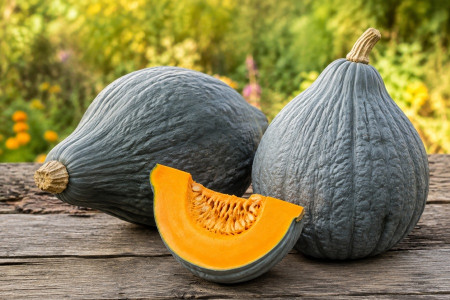
Hubbard squash is one of the best types for long-term storage. It is large and has a very hard, bumpy rind. The skin may be blue-gray, green, or orange.
Its flesh is rich, slightly sweet, and useful in many dishes. The thick shell helps it last longer than most smaller squash.
When stored properly, Hubbard squash may remain good for up to six months. Handle it carefully because a crack in the shell can allow decay to begin.
12. Sweet Meat Squash
Expected storage life: About 4 to 6 months
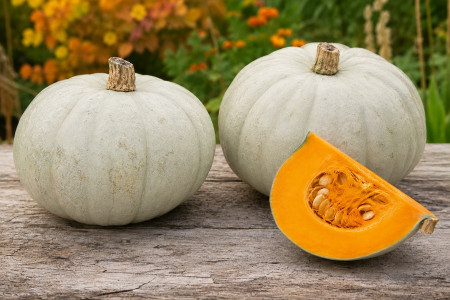
Sweet Meat is a large, round squash with a thick blue-gray or green rind. Inside, it has deep orange flesh with a rich and sweet taste.
Its thick rind makes it a good choice for winter storage. The flesh works well in pies, soups, bread, and roasted dishes.
A healthy and fully mature Sweet Meat squash may last for several months. The exact time depends on the variety, rind condition, and storage temperature.
Its large size means you may have some left after cutting it. Refrigerate cut pieces and use them within three or four days. You can also cook and freeze the extra flesh.
How to Harvest Winter Squash for Storage
Allow winter squash to fully mature before harvesting. The rind should have its mature color and feel hard. In most cases, your fingernail should not easily break or dent the skin.
Cut the squash from the vine with clean pruning shears or a sharp knife. Leave about one to two inches of stem when possible. Do not carry the fruit by its stem because the stem may break off.
Harvest winter squash before the first frost when possible. Frost- or freezing-damaged squash may develop soft spots and spoil quickly.
Set aside fruits with cracks, deep cuts, bruises, missing stems, or insect damage. Do not place them in long-term storage.
Use squash with minor surface damage promptly. Do not use it if you find soft spots, deep cracks, mold, leaking liquid, or bad smells. These signs may mean decay has spread under the rind.
How to Cure Winter Squash
Curing helps the rind become harder. It may also help small surface cuts heal and improve the flavor of some squash types.
Many winter squash types benefit from curing in a warm place with good airflow. One common method is to keep them at about 80 to 85°F for five to ten days. Curing times may vary by temperature and squash type.
Oregon State University Extension recommends curing many winter squash types for about five to seven days [3].
Do not use this warm curing method for acorn, delicata, or sweet dumpling squash. Warm curing may lower the quality of these thin-skinned types.
Squash from a grocery store has usually already been cured. If you buy squash from a local grower, you can ask whether it was cured before sale.
The Best Way to Store Winter Squash
Keep whole winter squash in a cool, moderately dry, well-ventilated place away from direct sunlight. The best temperature is about 50 to 55°F, with around 50% humidity.
A pantry, storage room, or cool closet may work if it doesn’t get too hot, cold, or damp. A basement may also work if the air is not too humid.
Do not keep whole winter squash in the refrigerator for long-term storage. Refrigerator temperatures are usually too cold, and the moist air may lower its quality or encourage decay. Refrigerate squash after you cut it.
When possible, store winter squash away from apples, pears, and other ripening fruits. These fruits release ethylene gas. This gas may cause color changes or lower the storage quality of some squash.
Place the fruits in a single layer with space between them. Do not pile them on top of each other. Keeping them apart allows air to move around each fruit. It also helps stop decay from spreading from one squash to another.
Inspect the squash every week or two. Remove any fruit that develops a soft spot, mold, a crack, leaking liquid, or a bad smell. When you are unsure whether a squash is safe, throw it away.
Wash the rind under clean running water before cutting the squash. Do not use soap or household cleaners.
By growing several winter squash types, you can enjoy homegrown food for many months. Eat acorn, delicata, sweet dumpling, and carnival squash first. Save thick-skinned types such as buttercup, kabocha, Sweet Meat, and Hubbard for later.
Careful harvesting, curing, and storage will help protect your crop. It can also provide plenty of warm and filling meals during the cooler months.





[…] squash varieties need pollination to grow fruit. Some special varieties can produce squash without it. Check your […]