

 Sasha Campbell
Soil is one of the most important things in a garden.
It gives plants a place to grow, holds water, and provides nutrients that help plants stay healthy. But not all soil is the same.
Some soil is soft and drains water quickly, while other soil holds a lot of water and can become heavy.
Knowing your soil type can help you choose the right plants and grow a healthier garden.
Gardeners often talk about six common soil types: sandy, clay, silt, loamy, chalky, and peaty [1]. Each type has different qualities that affect how well plants grow.
What Is Soil?
Soil is the top layer of Earth made up of minerals, organic matter, water, and air. Over many years, rocks break down and mix with organic matter to form the soil in which plants grow.
Plants need soil for their roots. Roots use the soil to take in water and nutrients. Good soil also allows roots to spread out so plants can grow well.
Some soils are naturally better for gardening than others. However, gardeners can improve almost any soil by adding compost, mulch, and other natural materials.
Main Soil Types
Soil comes in different types, each with its own texture, color, and properties. Understanding the different soil types can help you choose the right plants and care for your garden.
1. Sandy Soil: Light and Fast-Draining
Sandy soil is made of large soil particles that come from broken-down rocks and minerals.
When you pick up sandy soil, it feels rough and gritty. Water moves through this type of soil quickly, which means it does not stay wet for long.
One good thing about sandy soil is that plant roots can easily spread through it. It also warms up quickly in spring, allowing gardeners to plant earlier.
The problem is that sandy soil does not hold nutrients well [2]. Rain and watering can wash nutrients away.
Adding compost or aged manure can help sandy soil hold more water and nutrients.
Sandy soil is best for plants that prefer dry conditions and do not need much water. Carrots, radishes, potatoes, onions, garlic, and herbs such as rosemary, thyme, and lavender usually grow well in sandy soil.
Some drought-tolerant flowers, including marigolds, lavender, and some sunflowers, can also grow well in sandy soil.
2. Clay Soil: Rich but Heavy
Clay soil has very tiny particles that stick tightly together.
When wet, clay soil feels sticky and can be shaped like the clay used for making pottery. When dry, it can become hard and cracked.
One good thing about clay soil is that it holds many of the nutrients plants need to grow. However, clay soil drains slowly, so water can remain around plant roots for too long.
Too much water can cause roots to rot because they need air to stay healthy.
Gardeners can improve clay soil by adding compost, leaves, and other organic materials. This helps break up the soil and allows water and air to move more easily.
Clay soil is good for plants that enjoy moisture and rich soil. Plants such as cabbage, broccoli, kale, beans, peas, and roses can grow well in clay soil.
Fruit trees, including apple and pear trees, can also do well if the soil is improved and drains properly.
3. Silt Soil: Soft and Fertile
Silt soil is made of small particles that are smoother than sand but larger than clay.
It feels soft and powdery when dry. Silt soil can hold water better than sandy soil but drains better than clay soil.
This type of soil is often very fertile because it holds nutrients that plants need. Many plants grow well in silt soil, especially when it is kept loose and healthy.
However, silt soil can become packed down easily, especially when it gets wet. When soil becomes too compact, plant roots may have trouble growing.
Adding compost and organic matter helps keep silt soil loose and healthy.
Silt soil is great for many garden plants. Vegetables such as tomatoes, lettuce, spinach, cucumbers, and peppers often grow well in it.
Flowers like daffodils, tulips, and roses can also thrive in silt soil.
4. Loamy Soil: The Gardener’s Favorite
Loamy soil is often called the best soil for gardening. It is a balanced mixture of sand, silt, and clay, often with plenty of organic matter. Because it has a good mix of these materials, it offers many benefits.
Loamy soil holds enough water to keep plants healthy while also draining excess water. It contains nutrients and allows roots to spread easily. It is also easy to dig and work with.
Many gardeners try to create loamy soil by mixing compost and other organic materials into their garden beds.
Almost any plant can grow well in loamy soil. Vegetables such as tomatoes, carrots, lettuce, beans, and squash love it. Herbs like basil, parsley, and cilantro grow well, too.
Trees, shrubs, flowers, and fruit plants also enjoy loamy soil because it provides roots with the perfect balance of water, air, and nutrients.
5. Peaty Soil: Dark and Full of Organic Matter
Peaty soil is dark in color and contains a lot of organic material from plants that have broken down over time. It usually feels soft and holds a lot of moisture.
This soil is rich in organic matter, but some plants may still need extra nutrients. Gardeners may need to add lime to raise the soil pH if they want to grow plants that prefer less acidic conditions.
Because peaty soil holds water well, it is useful in gardens where plants need steady moisture.
Plants that grow well in acidic, peaty soil include blueberries, cranberries, azaleas, rhododendrons, and some types of potatoes. Many moisture-loving plants, such as ferns and some flowering plants, also enjoy this type of soil.
6. Chalky Soil: Alkaline and Free-Draining
Chalky soil contains pieces of chalk or limestone [3]. It is usually light in color and tends to be alkaline, meaning it has a higher pH.
This soil drains water quickly, but it may not hold certain nutrients as well as other soils. Some plants may struggle because chalky soil can make it harder for them to absorb certain nutrients.
Gardeners can improve chalky soil by adding compost and organic matter. This helps increase nutrient availability and improve plant growth.
Plants that grow well in chalky soil include lavender, clematis, spinach, cabbage, and kale. Many herbs, such as thyme and oregano, also prefer alkaline soil.
How to Find Out Your Soil Type
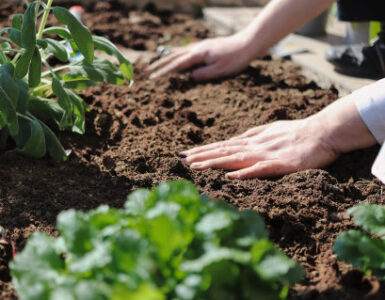
You can learn a lot about your soil by simply touching it. Pick up a small amount when it is slightly damp and squeeze it in your hand.
If it feels gritty and falls apart easily, you may have sandy soil. If it feels sticky and holds its shape, it may be clay soil. Smooth, silky soil could be silt.
Another way to learn about your soil is by watching how water behaves. If water disappears quickly after rain, the soil may drain well. If puddles stay for a long time, the soil may hold too much water.
A garden soil test can tell you your soil’s pH and nutrient levels. It can also help you choose the right fertilizer or soil amendments for your garden.
Improving Any Type of Soil
Even if your soil is not perfect, you can improve it.
Adding compost is one of the best things you can do for almost any garden. Compost adds nutrients and improves soil texture.
Mulching around plants also helps protect the soil, retain moisture, and add organic matter as it breaks down.
Avoid walking on garden beds too much, as it can compact the soil and make it harder for roots to grow.
For clay soil especially, gardeners often add organic matter but should avoid adding sand unless done correctly. Adding compost is usually safer than adding sand because sand can sometimes make clay soil harder instead of improving it.
Healthy soil takes time to build, but the effort is worth it. When soil is healthy, plants usually grow stronger, produce more flowers, and yield better harvests.
Why Soil pH Matters
Soil pH tells you whether soil is acidic, neutral, or alkaline. Some plants grow best in acidic soil, while others prefer alkaline soil.
Testing your soil pH helps you choose plants that will grow well and shows you what changes your soil may need.
Frequently Asked Questions About Soil
What is the best soil type for gardening?
Loamy soil is often considered the best for gardening because it holds moisture, drains well, contains nutrients, and gives plant roots plenty of air.
Can you improve poor soil?
Yes. Adding compost, mulch, and organic matter can improve most soil types.
How do I know what type of soil I have?
You can check your soil by feeling its texture, watching how water drains, or using a soil test.
Takeaway
Every type of soil has good and bad qualities.
Sandy soil drains quickly; clay soil retains nutrients; silt soil is fertile; loamy soil provides a good balance; peaty soil holds moisture; and chalky soil supports plants that prefer alkaline conditions.
The secret to a successful garden is understanding the soil you have and choosing plants that match it. With a little care and improvement, almost any soil can become a great home for healthy plants.




[…] grows best in loose, rich soil that drains well. The soil should hold some moisture without staying wet and […]
[…] your cucumbers aren’t growing straight, poor pollination, dry soil, or something pressing against the fruit may be the cause. Sometimes, the shape is normal for the […]