

 Sasha Campbell
White clover (Trifolium repens) is one of the most useful ground covers for many gardens.
Many people think it is just a weed, but it can do a lot of good. It helps the soil, feeds pollinators, and may reduce some garden maintenance.
Whether you grow vegetables, flowers, fruit trees, or a lawn, white clover can be a useful addition. It grows quickly, spreads across the ground, and can stay green for much of the year in suitable climates.
In this guide, you will learn about the many benefits of white clover in the garden and why more gardeners are choosing to grow it naturally.
What Is White Clover?
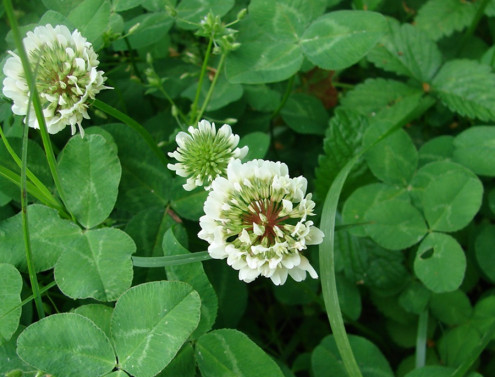
White clover is a low-growing perennial plant in the legume family [1]. It has three small leaflets and tiny white flowers that bloom from spring through fall.
It spreads by creeping runners called stolons [2]. This allows it to form a thick, green carpet over the soil.
White clover is commonly grown as a ground cover, living mulch, lawn alternative, and cover crop. It is popular in vegetable gardens, orchards, pollinator gardens, and eco-friendly lawns.
Why Gardeners Love White Clover
White clover is easy to grow and needs very little care.
Once established, white clover can handle some dry weather and poor soil. However, it grows best when the soil has enough moisture.
It also provides many natural benefits without needing expensive fertilizers or chemicals.
1. Adds Nitrogen to the Soil
White clover can help add nitrogen to the soil.
Tiny bacteria live in small nodules on the plant’s roots. These bacteria help white clover take nitrogen from the air and turn it into a form that the plant can use.
Much of this nitrogen stays in the clover while it is growing. When the plant’s roots, leaves, or clippings break down, some of the nitrogen can return to the soil.
2. May Reduce the Need for Nitrogen Fertilizer
Because white clover fixes nitrogen, it may reduce the need for some nitrogen fertilizers.
This is especially true when clover is used as a cover crop and its plant material is later returned to the soil.
As old leaves and roots break down, they return nutrients to the soil. Nearby plants can also benefit from these nutrients.
This can help lower gardening costs over time.
3. Improves Soil Health
Healthy soil grows healthy plants.
White clover helps improve soil by adding organic matter as its plant parts grow and break down. Its roots also provide food for many soil organisms, including helpful microbes.
Better soil means stronger plant growth.
4. Prevents Soil Erosion
Heavy rain can wash away valuable topsoil.
White clover forms a thick cover that protects bare ground from rain and wind. Its roots help hold the soil in place.
This makes it useful on slopes and garden beds.
5. Works as a Living Mulch
White clover is often called a living mulch.
Instead of using wood chips or straw, the plant itself covers the soil. This living blanket helps keep the soil cool during hot weather and protects it from drying out.
However, white clover can compete with small plants for water and nutrients. Keep it trimmed or plant it in areas where this will not be a problem.
6. Helps Keep Moisture in the Soil
Soil loses water quickly when left uncovered.
White clover shades the soil, which can help slow water loss from the surface. However, the clover also uses water, so it may compete with nearby plants during dry weather.
This may help reduce how quickly the soil dries out.
7. Helps Control Weeds
A thick patch of white clover leaves little room for weeds to grow.
Its dense growth blocks sunlight from reaching weed seeds.
While it will not stop every weed, it can greatly reduce weed problems.
8. Feeds Bees and Other Pollinators
The small white flowers are rich in nectar.
Honey bees, bumblebees, butterflies, and many other pollinators visit the flowers throughout the growing season.
Pollinators can help improve the harvest of crops that need insects to move pollen between flowers.
9. Attracts Helpful Insects
White clover attracts insects that help control garden pests.
Ladybugs, lacewings, hoverflies, and tiny parasitic wasps often visit clover flowers.
These helpful insects can help control pests such as aphids, caterpillars, and other garden insects.
10. Makes a Great Ground Cover
White clover spreads quickly across open spaces, making an excellent ground cover.
It creates a soft, green carpet that looks attractive while protecting the soil.
Many gardeners use it between raised beds or around fruit trees.
11. Handles Foot Traffic Well
White clover can handle some foot traffic.
It is soft under your feet and can work well in areas that receive light to moderate use. However, heavy or repeated foot traffic can damage it, especially during hot or dry weather.
This makes it a good choice for pathways, play areas, and mixed lawns.
12. Can Stay Green in Some Conditions
White clover can stay green during some dry periods, especially when the soil still has enough moisture. However, long periods of heat and drought can cause it to struggle.
Its green color can make mixed lawns look fuller during parts of the growing season.
13. Tolerates Some Poor Soils
White clover can grow in some soils where other plants struggle. It can tolerate certain sandy, rocky, or low-fertility soils.
However, it grows best in well-drained soil with enough moisture and nutrients.
14. Helps Vegetable Gardens
White clover can be useful between vegetable rows or along garden paths.
It covers bare soil and may help reduce erosion and weeds. Some gardeners mow the clover and use the clippings as mulch.
However, keep clover away from small vegetable plants if it begins to compete with them for water, nutrients, or space.
15. Benefits Fruit Trees
White clover can be used as ground cover beneath some fruit trees.
It can help cover bare soil, reduce erosion, and provide flowers for pollinators.
However, it may compete with young trees for water and nutrients. Keep the area around the trunk clear, and watch young trees carefully during dry weather.
16. Supports Organic Gardening
Organic gardeners often use white clover as a natural way to improve soil and cover bare ground.
It may also reduce the need for some nitrogen fertilizers. This makes it a valuable part of sustainable gardening.
17. May Help Improve Soil Structure
White clover roots add organic matter to the soil as they grow and break down. This can help support a healthy soil structure over time.
However, it may not fix severely compacted soil on its own.
18. Protects Bare Soil in Winter
In many areas with mild winters, white clover can stay green during cool weather.
It helps protect bare soil from winter rain and erosion. This keeps your garden healthier until spring.
19. Provides Food for Wildlife
White clover can provide food for some wildlife.
Rabbits, deer, and other plant-eating animals may feed on its leaves. Some birds and other animals may also eat clover seeds.
The types of wildlife that use white clover depend on where you live.
20. Looks Beautiful in the Garden
White clover creates a fresh green carpet with delicate white flowers.
Many gardeners enjoy its natural appearance, especially in wildlife gardens, natural gardens, and informal lawns.
21. May Reduce Water Runoff
When rain falls on bare soil, water can quickly run across the surface. A thick cover of white clover helps protect the soil surface and may slow runoff.
This can help reduce the loss of soil and nutrients during heavy rain.
Research on living-mulch systems supports the role of clover in reducing erosion and nutrient runoff [3].
22. Edible and Useful
White clover is an edible plant. The young leaves are usually eaten fresh, while the flowers are most often used to make white clover tea.
Always harvest from clean areas that have not been treated with chemicals or exposed to roadside pollution.
As with any wild edible plant, try only a small amount the first time to make sure it agrees with you.
23. Easy to Grow
White clover is simple to plant.
Scatter the seeds over prepared soil. Gently press or rake them into the surface.
Do not bury the seeds deeply. Keep the soil moist until the seedlings appear.
Once established, it usually needs very little attention.
Best Growing Conditions
White clover grows best when it has:
- Full sun to partial shade
- Well-drained soil
- Regular moisture, especially while young
- Cool to mild weather
- Soil with a pH around 6 to 7
Once mature, it becomes quite hardy.
Possible Drawbacks
White clover has many benefits, but there are a few things to keep in mind.
It spreads quickly and may grow into nearby flower beds if left unchecked.
Its flowers attract bees, so people walking barefoot should be careful during bloom time.
Some gardeners also prefer a perfectly uniform grass lawn, which clover does not provide.
Because it spreads quickly, it may compete with small flowers, vegetables, and young trees for water, nutrients, and space.
Tips for Growing White Clover
Growing healthy white clover is easy if you follow a few simple steps.
- Plant seeds in spring or early fall.
- Keep the soil moist until seedlings appear.
- Mow occasionally if growing it in a lawn.
- Avoid using weed killers that can kill clover.
- Mix clover with grass to help reduce the need for nitrogen fertilizer.
Harvesting White Clover
Harvest white clover on a dry day after the morning dew has dried.
Pick young leaves before the plants flower for the mildest flavor. Harvest flower heads after they have fully opened for tea or fresh use.
Use clean scissors or garden snips to cut the leaves and flowers without pulling up the entire plant. This allows the clover to keep growing and produce more leaves and blooms.
Rinse the harvest well before eating. Fresh leaves can be used right away or stored in the refrigerator for a few days. Flowers can be used fresh or dried for herbal tea.
Where to Buy Seeds
You can buy white clover seeds and other cover crop seeds online or at many gardening stores.
FAQs
Does white clover add nitrogen to the soil?
Yes. White clover works with bacteria in its roots to fix nitrogen from the air. Some of this nitrogen can return to the soil when the plant’s roots, leaves, and clippings break down.
Is white clover good for vegetable gardens?
It can be useful as a living mulch between garden rows or along paths. However, it can compete with small vegetables for water, nutrients, and space.
Does white clover come back every year?
White clover is a perennial plant and can come back year after year in suitable growing conditions. It may die back or become dormant in very cold or very dry weather.
Does white clover spread?
Yes. White clover spreads by creeping stems called stolons that grow along the ground and form new plants. This helps it fill in bare areas, but it can also spread into nearby garden beds if left unchecked.
Does white clover attract bees?
Yes. Its flowers provide nectar for honey bees, bumblebees, and other pollinators. Be careful when walking barefoot in areas where clover is blooming.
Can you eat white clover raw?
Yes. Young white clover leaves and flowers can be eaten raw. Always harvest from clean areas that have not been sprayed with chemicals or exposed to roadside pollution.
Takeaway
White clover is much more than a simple ground cover.
It can help improve soil, fix nitrogen, support pollinators, reduce some weeds, help the soil hold moisture, and lower maintenance in the garden. It also supports beneficial insects, protects against erosion, and can help keep some landscapes green with less maintenance.
Whether you want healthier vegetables, stronger fruit trees, a greener lawn, or a more eco-friendly garden, white clover is an excellent choice. Once established, this hardworking plant continues to provide benefits year after year.





Add comment