

 Sasha Campbell
Keeping weeds under control and the soil healthy can be hard work. Pulling weeds, watering often, and adding mulch all take time.
A living mulch can help with many of these tasks.
Unlike straw, leaves, or wood chips, a living mulch is made of real plants that grow around your vegetables. These low-growing plants cover the soil, helping it stay cool and moist while making it harder for weeds to grow.
Some living mulches can even improve the soil by adding nitrogen, a natural nutrient that helps plants grow strong.
In this guide, you’ll learn what living mulch is, why it’s helpful, and the best living mulch plants to grow in your vegetable garden.
What Is a Living Mulch?
A living mulch is a low-growing plant that grows beneath or between your vegetables [1]. Instead of covering the soil with dead materials, you cover it with living plants.
A good living mulch spreads across the ground without taking over your garden. It helps protect the soil, keeps weeds under control, and reduces erosion.
Many gardeners plant living mulch between rows or around larger crops like tomatoes, peppers, corn, and cabbage.
Benefits of Living Mulch
Living mulches do much more than cover bare soil. They can:
- Help stop weeds from growing.
- Keep the soil cool during hot weather.
- Hold moisture in the soil, so you water less often.
- Reduce soil erosion caused by heavy rain.
- Feed bees, butterflies, and other helpful insects with their flowers.
- Improve soil health over time.
- Some types add nitrogen to the soil, helping nearby vegetables grow.
Types of Living Mulch
Below are some examples of living mulch for your vegetable garden.
1. White Clover
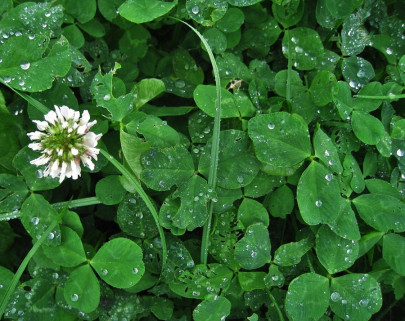
White clover is one of the most popular living mulches for vegetable gardens.
It grows low to the ground, spreads nicely, and stays green for much of the year. Because it belongs to the legume family, it adds nitrogen to the soil. This added nitrogen helps nearby vegetables grow.
White clover also attracts bees with its small white flowers.
It works well around tomatoes, peppers, corn, and fruit trees.
2. Creeping Thyme
Creeping thyme is both useful and beautiful.
It forms a thick mat that helps block weeds while giving off a pleasant smell when stepped on. During blooming season, it produces tiny purple, pink, or white flowers that attract bees and butterflies.
It prefers sunny areas with well-drained soil.
Plant creeping thyme near peppers, eggplants, or pathways in the garden.
3. Microclover
Microclover is a smaller variety of white clover that stays low to the ground and creates a neat, green carpet [2]. It helps keep weeds under control, holds moisture in the soil, and adds nitrogen, a natural nutrient that helps plants grow strong.
Because it does not grow as tall as regular white clover, it usually needs less mowing and is less likely to compete with nearby vegetables. It also produces small flowers that attract bees and other pollinators.
Microclover grows best in full sun to partial shade and works well between garden rows or around crops like tomatoes, peppers, and cabbage.
4. Creeping Red Fescue
This is a soft grass often used in lawns. In gardens, it can help cover bare soil, but it must be managed carefully because it can use water and nutrients that vegetables need.
Creeping red fescue forms a soft carpet that helps reduce weeds and protects the soil from erosion.
Unlike some grasses, it grows slowly, making it easier to manage. It works best in cooler climates.
It also works best along garden paths, between wide rows, or in cooler climates where it can be trimmed regularly.
5. Sweet Alyssum
Sweet alyssum is loved by many gardeners because of its tiny white, pink, or purple flowers.
These flowers attract beneficial insects such as hoverflies, ladybugs, and helpful wasps that do not sting people.
Sweet alyssum grows low and spreads gently without becoming too aggressive.
It looks especially nice around tomatoes, peppers, broccoli, and lettuce.
6. Chamomile
Chamomile is more than just a tea plant.
It grows low enough to serve as a living mulch while attracting pollinators and other beneficial insects.
Some gardeners also believe chamomile helps improve the health of nearby plants.
Its small daisy-like flowers brighten the vegetable garden.
7. Oregano
Oregano makes an excellent edible living mulch.
It is a low-growing groundcover that spreads across the soil, helping block weeds while giving you fresh herbs to harvest throughout the growing season.
Its flowers attract bees and butterflies, making it even more valuable in the garden.
Oregano grows best in full sun.
8. Nasturtiums
Nasturtiums are colorful flowers that also protect vegetable gardens.
Their large leaves cover the soil, helping keep weeds down and moisture in.
Many gardeners use nasturtiums as trap crops because aphids often prefer them over nearby vegetables.
The flowers and leaves are edible and have a peppery flavor.
9. Buckwheat
Buckwheat grows very quickly, making it great for filling empty garden spaces.
It shades the soil, crowds out weeds, and attracts many pollinators with its small white flowers.
Because it grows so fast, cut it before it makes seeds and spreads.
10. Low-Growing Marigolds
Some dwarf marigold varieties also work well as living mulch.
Their thick growth shades the soil while their bright flowers attract pollinators.
Many gardeners also plant marigolds because they attract beneficial insects to the garden.
Choose shorter varieties so they do not compete with your vegetables.
11. Crimson Clover
Crimson clover is another nitrogen-fixing plant. Its beautiful deep-red flowers attract bees and other helpful insects that eat garden pests.
Although it grows taller than white clover, regular trimming helps keep it under control. It is often grown between garden rows or during the off-season.
Both white clover and crimson clover are often used as living mulch and also as cover crops, depending on how they are managed.
Tips for Using Living Mulches
Living mulches work best when managed carefully.
Follow these simple tips:
- Wait until your vegetables are established before planting the living mulch.
- Leave a few inches of space around vegetable stems.
- Trim living mulch regularly if it begins to crowd your crops.
- Water young plants until both the vegetables and mulch become established.
- Choose plants that suit your local climate.
Possible Drawbacks
Living mulches have many benefits, but they also have a few downsides.
If they are not managed well, they can compete with vegetables for water, sunlight, and nutrients.
Some plants spread quickly and may become difficult to control.
In very dry weather, both the vegetables and the living mulch may need extra watering.
Regular trimming helps prevent most problems.
Choosing the Best Living Mulch
The best living mulch depends on what you want your garden to do.
If you want healthier soil, choose white clover or crimson clover because they add nitrogen.
If attracting beneficial insects is your goal, sweet alyssum, chamomile, nasturtiums, and marigolds are excellent choices.
For keeping weeds under control, creeping thyme, oregano, white clover, and microclover provide dense ground cover.
Many gardeners even mix several living mulch plants together to enjoy the benefits of each one.
Living Mulch vs Cover Crops
Some people confuse living mulches with cover crops. They are very similar, but not exactly the same.
A living mulch grows together with your vegetables. A cover crop is planted when the garden is resting.
Cover crops help protect and improve the soil until it’s time to plant vegetables again.
Takeaway
Living mulches are a simple way to make your vegetable garden healthier and easier to care for. They help prevent weeds, retain moisture in the soil, attract beneficial insects, and improve soil over time.
Start with one or two easy choices, such as white clover or sweet alyssum, and see how they perform in your garden.
With a little care, living mulches can become one of the hardest-working parts of your vegetable garden while creating a healthier place for your crops to grow.




Add comment