

 Sasha Campbell
Ground covers are plants that grow low to the ground and spread over the soil. As they grow, they fill empty spaces, help prevent weeds, attract helpful pollinators, and make your garden look full and healthy.
Many ground covers need little care after they become established. This means their roots have grown strong and settled into the soil.
Some grow best in shady areas, while others love bright sunshine.
By choosing the right plant for the right place, you can enjoy a beautiful landscape with less watering, less weeding, and less work.
This guide covers some of the best low-maintenance ground covers for shade and full sun. Some are evergreen ground covers that remain attractive for much of the year, while others die back in winter and return in spring.
Why Plant Ground Covers?
Ground covers do much more than fill empty spaces.
They help block weeds by covering bare soil. They also keep the ground cooler on hot days and help the soil stay moist longer after watering or rain.
Many ground covers help prevent soil from washing away on hillsides or slopes. Others produce flowers that attract bees, butterflies, and other helpful pollinators.
Some gardeners even use ground covers instead of grass in hard-to-mow areas [1].
Many low-growing perennial ground covers also return every year, making them a great choice for gardeners who want less maintenance.
Keep in mind that some fast-growing ground covers can spread beyond where you plant them. Always check if a plant is considered invasive in your area before adding it to your garden.
Choosing the Right Ground Cover
The best ground cover depends on where you plan to grow it.
Some plants need several hours of direct sunlight every day. Others grow much better in shade.
Before planting, watch the area for a day or two. This will help you see how much sunlight it gets.
Quick Comparison of Easy-Care Ground Covers
Many of these plants are perennial ground covers, meaning they return year after year.
Ground Covers That Can Stay Evergreen in Mild Climates
- Periwinkle – Shade – Zones 4–9
- Liriope – Sun/Part Shade – Zones 5–10
- Creeping thyme – Full Sun – Zones 4–9 (evergreen in mild climates)
Best Flowering Ground Covers
- Sweet alyssum
- Creeping thyme
- Bugleweed
- Sedum
Low-Maintenance Ground Covers for Shade
Here are some of the best low-maintenance shade-loving ground covers to consider.
1. Periwinkle (Vinca minor)
Periwinkle is one of the most popular ground covers for shady gardens.
Its shiny green leaves stay attractive for much of the year. In spring, it produces blue, purple, or white flowers that brighten dark corners of the yard.
It spreads quickly to form a thick carpet that helps crowd out weeds. Once established, it usually needs little attention.
Best for: Under trees, woodland gardens, and shady banks.
Caution: Periwinkle spreads fast and is considered invasive in some areas. Check whether it is suitable for your region before planting. Trim it when needed to keep it from spreading into natural spaces.
2. Hosta
Hostas are loved for their large, colorful leaves. Some have solid green leaves, while others have cream, yellow, blue-green, or variegated foliage.
Although hostas grow in clumps rather than spreading like vines, they gradually increase in size and cover the soil well, making them a good choice for filling shady areas.
They are easy to grow and look great around trees, fences, and garden paths.
Best for: Shady flower beds and woodland gardens.
Caution: Slugs and snails sometimes feed on hosta leaves. Deer may also eat them if they visit your yard.
3. Bugleweed (Ajuga)
Bugleweed is a fast-growing shade-loving ground cover with colorful leaves that may be green, bronze, burgundy, or purple. During spring, tall spikes of blue or purple flowers rise above the leaves.
This plant spreads by runners and quickly fills bare spots. It is a favorite choice for gardeners who want fast results.
Best for: Borders, under shrubs, and shady slopes.
Caution: Bugleweed can spread beyond the planting area. Trim runners if you want to keep it under control.
4. Sweet Woodruff (Galium odoratum)
Sweet woodruff is a charming low-growing ground cover that thrives in shady gardens. It has bright green leaves arranged in star-shaped clusters and produces small white flowers in spring.
This plant spreads through underground stems, creating a soft carpet that helps cover bare soil. Its leaves also have a sweet, fresh scent when dried or crushed.
Sweet woodruff is a great choice for woodland gardens because it prefers moist, rich soil and does well where many sun-loving plants struggle.
Best for: Under trees, woodland gardens, shady borders, and areas with moist soil.
Caution: Sweet woodruff can spread quickly in ideal growing conditions. Keep an eye on it and remove unwanted growth if it moves beyond the area where you planted it.
Low-Maintenance Ground Covers for Full Sun
5. Creeping Thyme
Creeping thyme is one of the easiest ground covers for sunny gardens. It grows into a soft mat of tiny leaves and produces many small flowers in shades of pink, purple, or white.
The flowers attract bees and butterflies. The leaves release a pleasant scent when touched, and some varieties can handle light foot traffic.
Once established, this perennial ground cover can handle dry weather very well.
Best for: Rock gardens, dry borders, and between stepping stones with light foot traffic.
6. White Clover
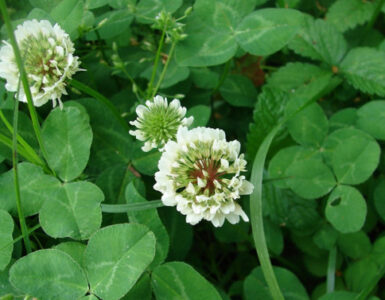
White clover is becoming a popular alternative to traditional lawns. It stays green, produces small white flowers, and spreads naturally across the ground.
White clover works with helpful bacteria in its roots to capture nitrogen from the air [2]. When the plant’s leaves and roots break down, they release some of that nitrogen back into the soil.
It also needs less mowing than most grass lawns.
Best for: Eco-friendly lawns, open spaces, and sunny gardens.
Caution: The flowers attract bees, so keep this in mind if children or pets often walk barefoot in the area. White clover can also spread into nearby lawns and garden beds.
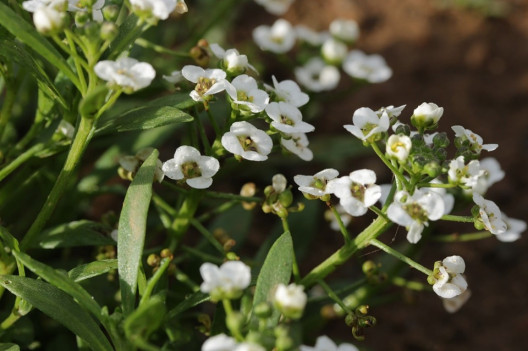
7. Sweet Alyssum
Sweet alyssum may look delicate, but it is a surprisingly tough plant. It produces hundreds of tiny flowers that may be white, pink, lavender, or purple.
The flowers have a sweet fragrance and attract bees, hoverflies, and other beneficial insects.
It blooms for many weeks, especially if you cut off faded flowers.
Best for: Garden borders, containers, and flower beds.
Caution: Sweet alyssum is often grown as an annual in colder climates, though it may reseed itself from year to year.
8. Sedum (Stonecrop)
Low-growing sedums are some of the toughest ground covers you can grow. Their thick leaves store water, allowing them to survive dry weather with little watering.
Many varieties produce colorful flowers that attract butterflies and bees.
Sedum also grows well in poor soil where other plants may struggle.
Best for: Rock gardens, dry slopes, and sunny borders.
Caution: Good drainage is important. Wet soil can lead to root rot.
Ground Covers for Sun or Partial Shade
Some plants in this group grow in clumps rather than spreading quickly, but they still help cover bare soil.
9. Liriope
Liriope has long, narrow leaves that look like ornamental grass. It is often used as a low-growing border plant and ground cover.
Many liriope varieties stay green in warm climates. In colder areas, they may lose some leaves or die back in winter.
In late summer, it produces purple flower spikes followed by small dark berries.
It grows well in full sun or partial shade and requires very little care. It is often planted along sidewalks, driveways, and garden borders.
Caution: Some types of liriope spread quickly. Divide or trim them if they grow beyond the area you want.
10. Coral Bells
Coral bells are grown mainly for their colorful leaves. Depending on the variety, the foliage may be green, purple, bronze, silver, or lime.
In late spring or summer, delicate flowers appear on tall stems above the leaves.
In hot climates, coral bells do best with morning sun and afternoon shade.
Caution: Coral bells prefer well-drained soil. Wet soil can cause root problems, especially during winter.
11. Mondo Grass
Mondo grass forms neat clumps of dark green leaves that spread slowly over time. It creates a tidy border around flower beds and works well beneath small trees.
Although mondo grass grows slowly, its dense clumps help cover bare ground. Once established, it needs very little maintenance.
Caution: Mondo grass grows slowly, so it may take time to fill large spaces. Some varieties can also spread beyond their planting area.
Simple Tips for Planting Ground Covers
Start by removing weeds from the planting area.
Loosen the soil and mix in compost if the soil is poor. Healthy soil helps new plants grow strong roots.
Space each plant according to the label. Even though they may look far apart at first, most ground covers spread as they grow.
Water them well after planting and continue watering until they are established.
Adding mulch between young plants can help reduce weeds while they fill in.
Most ground covers begin spreading during their first growing season. Depending on the plant, they may take one to three years to fill an area.
Easy Care Tips
Most ground covers become very easy to care for after the first growing season.
- Water them during long dry spells, especially when they’re still young.
- Trim fast-growing plants when they spread beyond the area where you want them.
- Remove damaged leaves and old flower stems to keep plants looking neat.
- Every few years, divide clump-forming plants like hostas if they become crowded.
Common Mistakes to Avoid
One of the biggest mistakes is planting the wrong ground cover in the wrong place. Shade-loving plants often struggle in full sun, while sun-loving plants may become weak in deep shade.
Another mistake is watering too much. Plants like creeping thyme and sedum prefer well-drained soil and may suffer if the ground stays wet.
Also think about how fast a plant spreads. Some ground covers grow so quickly that they can take over nearby flower beds if left unchecked.
Which Ground Cover Is Best?
The best ground cover depends on your garden and your needs.
If your garden is mostly shady, periwinkle, bugleweed, and mondo grass are good choices. Hostas are also useful for filling shady spaces with attractive foliage.
If you have a sunny yard, creeping thyme, white clover, sweet alyssum, and sedum are all dependable options.
For areas with changing light throughout the day, Liriope and mondo grass offer great flexibility.
Frequently Asked Questions
What is the easiest ground cover to grow?
Creeping thyme, white clover, sedum, and bugleweed are among the easiest ground covers because they need little care after they become established, especially when planted in the right conditions.
Which ground cover helps stop weeds?
Ground covers that spread into thick mats, such as periwinkle, bugleweed, and white clover, do an excellent job of blocking weeds by covering the soil.
What ground cover grows well under trees?
Hostas, periwinkle, bugleweed, and Sweet Woodruff are good choices for planting beneath trees where there is plenty of shade.
What ground cover grows best in full sun?
Creeping thyme, white clover, sweet alyssum, and sedum are excellent choices for sunny areas. They handle bright sunlight, and many can tolerate dry conditions once established.
Are all ground covers safe to plant?
No. Some ground cover plants spread much faster than others. Plants like periwinkle and Sweet Woodruff can spread quickly in some areas.
Before planting them, check with your local extension service or gardening authority to see whether they are recommended for your region.
Are evergreen ground covers better?
Evergreen ground covers remain green for most or all of the year, making them useful for covering bare soil in winter.
However, some gardeners prefer plants that die back because they often produce more flowers in spring and summer.
Takeaway
Low-maintenance ground covers can transform your landscape while saving you time and effort. They cover bare soil, help stop weeds, protect the soil, and add color throughout the year.
Whether your garden is filled with sunshine or shaded by trees, there is a low-maintenance ground cover that can thrive there.
Pick a plant that matches your growing conditions, give it a good start, and enjoy a beautiful yard with much less work.






Add comment