

 Sasha Campbell
The importance of pollinators in the natural world cannot be overstated.
Bees, butterflies, hummingbirds, bats, moths, and other animals carry pollen from one flower to another. This helps plants make fruits, vegetables, and seeds.
Creating a pollinator garden with a mix of native pollinator plants, herbs, shrubs, and flowering plants is one of the best ways to support bees, butterflies, hummingbirds, and other helpful wildlife.
Native plants are especially valuable because they have grown alongside local pollinators for thousands of years, providing the food and habitat they need.
Whenever possible, choose plants that are native to your area because local pollinators often use them the most.
Best Flowers to Attract Bees and Other Pollinators to Your Garden
Below are some of the best bee-friendly flowers and other pollinator-friendly plants you can grow.
1. Bee Balm
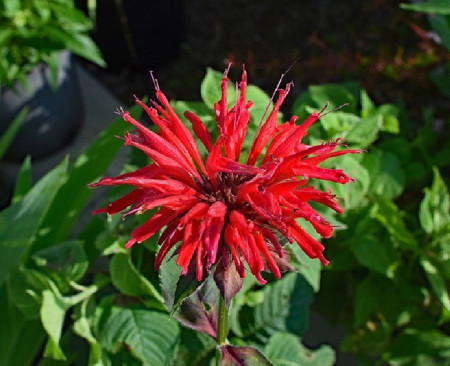
Bee balm is a must-have in any garden looking to attract a healthy bee population.
It is one of the best flowers for bees. It may also attract butterflies and hummingbirds.
Bee balm can be grown from seeds or by dividing established plants. However, be sure to plant it in a nice, sunny spot in the garden so it can grow well.
Purchase bee balm seeds online.
2. Black-Eyed Susan
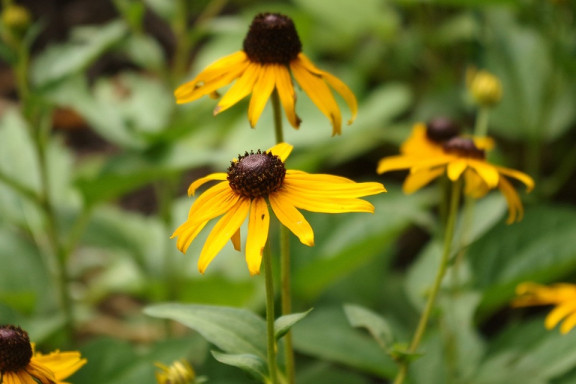
This beautiful flower is a popular plant that attracts a wide variety of pollinators. Black-eyed Susan flowers will prosper in full sun and soil that drains well.
Its bright flowers attract bees, butterflies, and many other pollinators. You can also grow it from seeds or divide established plants.
Buy Black-eyed Susan seeds online.
3. Sedum (Stonecrop)
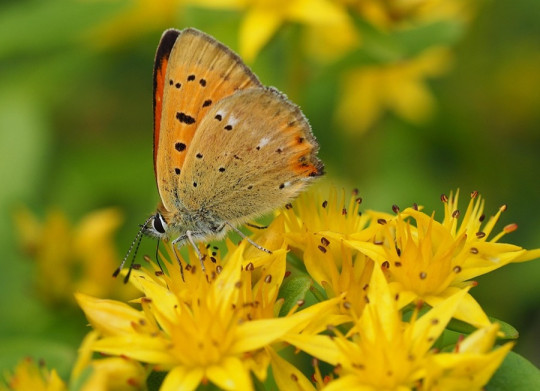
These low-maintenance succulents thrive with minimal care from you. Sedum, also known as stonecrop, blooms from early summer to late fall, attracting bees throughout this period.
One of the many advantages of sedum is that there are numerous varieties [1]. Additionally, these plants thrive in most well-drained soils in a sunny spot.
Use these flowers as eye-catching ground covers around trees or as a nice border in your garden.
4. Goldenrod
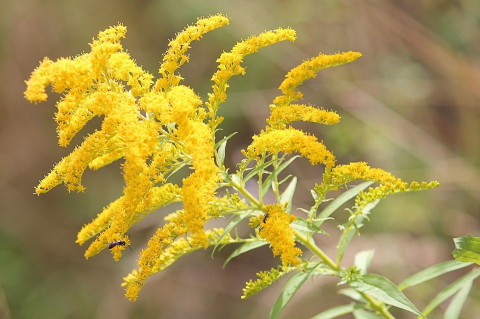
This perennial wildflower is one of the best for bees and butterflies. It draws many pollinators with its abundant pollen and nectar.
Goldenrod is often overlooked, but it is one of the best late-season flowers for pollinators. If you incorporate it into your landscaping, you can enjoy beautiful flowers from late summer to early fall.
5. Butterfly Bush
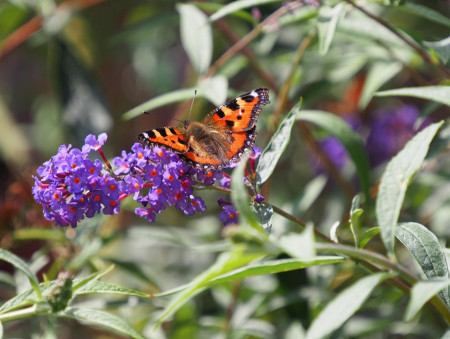
The butterfly bush attracts not just butterflies and bees, but also hummingbirds and moths.
You will find it in colors such as blue, purple, orange, or white. The flowers will also attract wasps.
In some areas, butterfly bush can spread aggressively, so check whether it is considered invasive where you live.
Depending on your climate and variety, butterfly bush may grow as a small shrub or a large shrub. However, butterfly bush prefers full sun but can also grow in partial shade.
It needs some pruning to keep it looking its best. You can grow it from seeds, division, or stem cuttings.
6. Coneflower
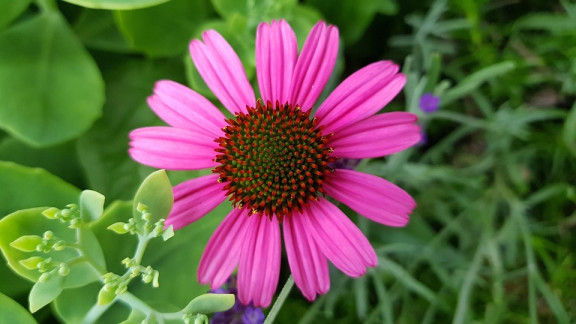
Coneflowers bloom for a long time, attracting bees, butterflies, and many other pollinators throughout the season. These flowers grow tall and can thrive in a variety of soil types.
Purchase coneflower seeds online.
7. Joe-Pye Weed
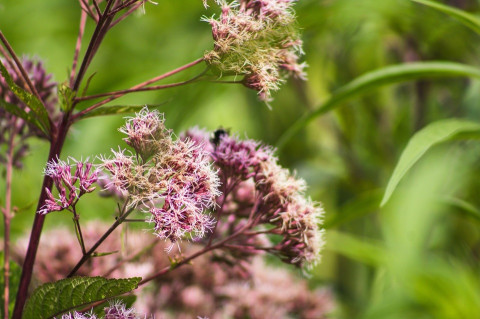
Not a weed, Joe-Pye Weed puts forth flowers that attract bees, butterflies, and many other pollinators. They will also make a stunning addition to your garden, flowerbed, walkway, or wherever you plant them.
The plant comes in different varieties. Although these flowers can survive in partial shade, they mostly prefer a sunny spot in your yard.
8. Lavender
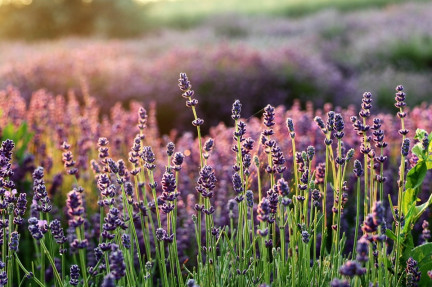
Lavender is a fragrant and colorful plant for pollinators. It is highly successful at attracting bumblebees, honeybees, and other beneficial insects.
The herb blooms from late spring to late summer and can be grown year-round in a hot, dry climate.
Lavender can also tolerate low to moderately fertile soils. You can plant it in containers or in the ground, and it will thrive either way.
Purchase lavender seeds online.
9. Snowdrops
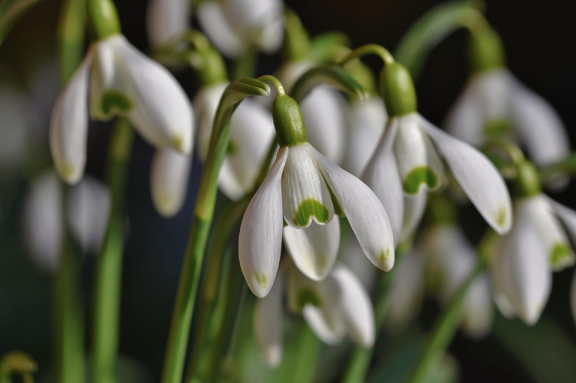
Snowdrops are among the first flowers to bloom, giving early pollinators an important food source.
They often flower in late winter, sometimes even before the snow has melted (which is how they got their name). However, these bee-friendly garden plants prefer partial shade and well-drained soil.
10. Crocus
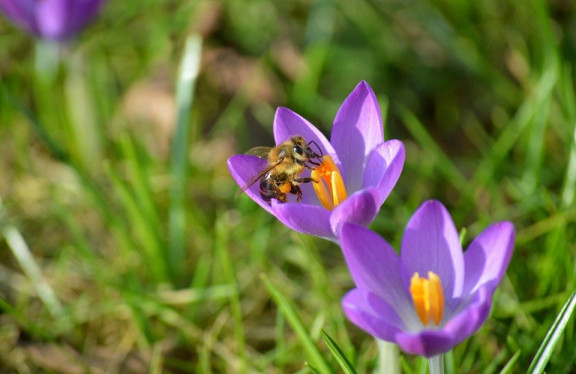
Crocus flowers bloom from late winter to early spring, depending on the variety.
You can also find them in different colors, including lavender, blue, purple, yellow, white, and even pink. Besides, they make quite a statement in your yard.
After planting the bulbs and providing them with plenty of water, you will not need to do much to have these beautiful flowers thrive.
11. Sunflowers
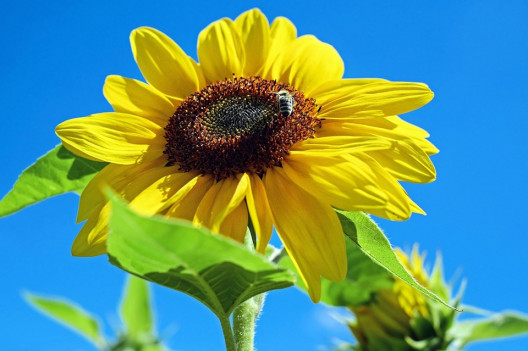
Do sunflowers attract bees? Yes. Not only are they beautiful and fascinating to look at, but they are also flowers that bees love.
Look for sunflower seeds that are suitable for your climate zone. Most sunflowers grow well in warm, sunny places with well-drained soil.
12. Cranesbills
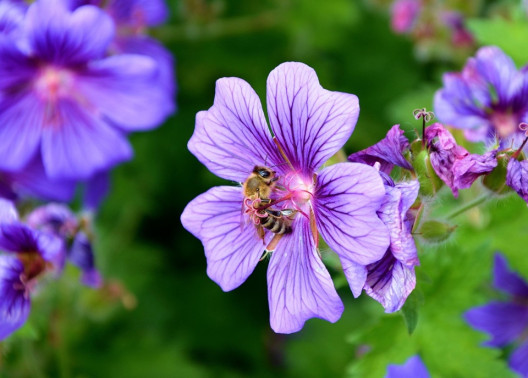
A wide variety of cranesbills (hardy geraniums) bloom for several months from late spring through summer. However, these plants will need light shade or full morning sun.
They will also bloom in beautiful shades of pink, purple, blue, or white.
Water them regularly to keep them healthy and appealing to pollinators. Just be careful not to overwater. Additionally, prune the plants as needed.
13. Catmint
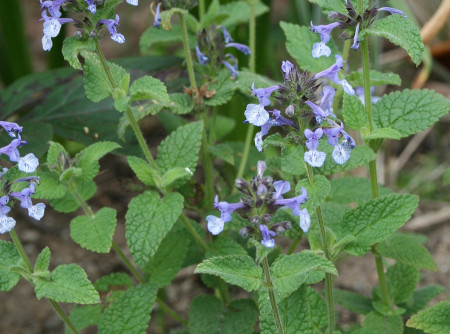
Image credit: Nepeta clarkei by Uleli, via Wikimedia Commons, licensed under CC BY‑SA 3.0. Image cropped from original.
Catmint is excellent for attracting bumblebees, honeybees, carder bees, and mason bees [2].
Established catmint plantings are also drought-tolerant and can have a prolonged blooming season. Additionally, the plant blooms in a variety of beautiful shades, including violet, lilac, blue, pink, and white.
Purchase catmint seeds online.
14. Foxglove
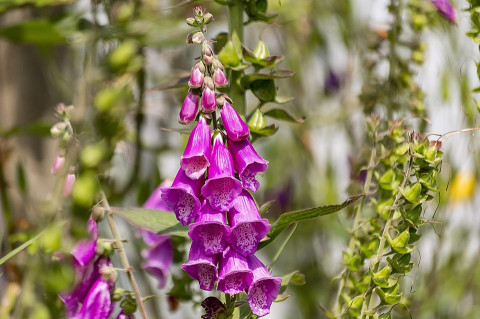
Foxgloves produce nectar-rich flowers. They are popular with bumblebees and may also attract hummingbirds in areas where they live.
These wildflowers prefer cool, moist climates. They can be grown from seed and prefer well-fertilized soil, in the sun or in shade.
Buy foxglove seeds online.
15. Borage
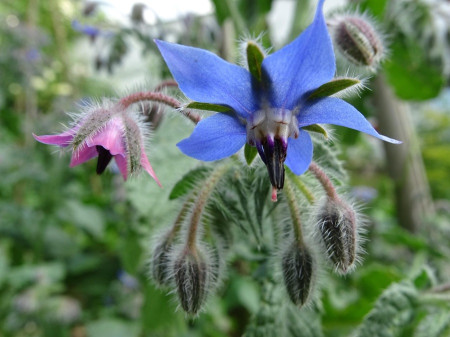
Borage is a pretty flower that requires little care. It produces bee-friendly flowers that also attract other pollinators.
Additionally, borage is drought-tolerant and thrives in both cool and warm climates.
Not only are the blue-colored, star-shaped flowers a nice addition to your garden, but the leaves and flowers of this herb are also edible.
Purchase borage seeds online.
16. Pansies
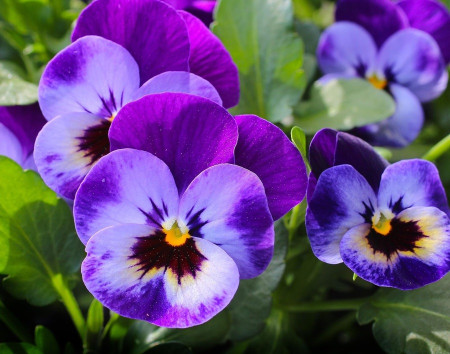
Pansies add color to the garden from spring through fall in many climates. They grow from seeds and are available in a wide variety of colors.
Pansies can provide nectar for bees and other pollinators, especially early in the season.
Pansies require full sun (at least 6 hours of sunlight daily) and a relatively mild climate. However, they need very little care once established.
Purchase pansy seeds online.
17. Peony
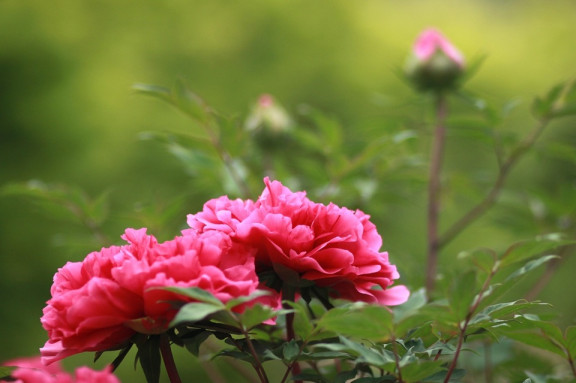
Peonies bloom in late spring or early summer.
They prefer full sun and, once established, their large blooms provide pollen for bees.
Buy peony seeds online.
18. Phlox
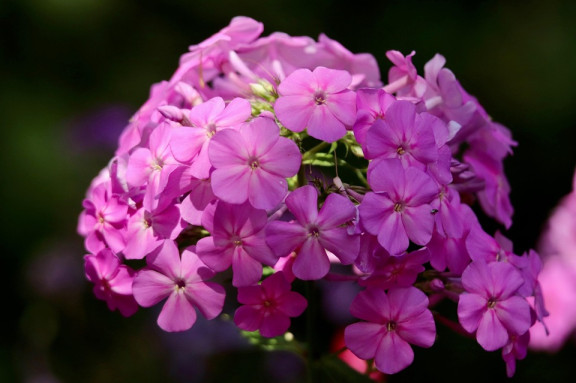
All varieties of phlox attract bees, butterflies, and even hummingbirds. As such, they make a beautiful and excellent addition to any garden seeking to attract more pollinators.
Some night-blooming phlox varieties attract moths and may also attract nectar-feeding bats in areas where they live.
Purchase phlox seeds online.
19. Nasturtium
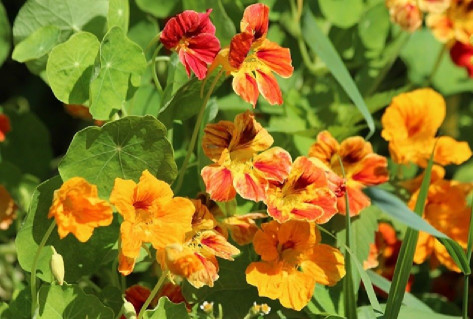
With edible flowers, leaves, and vibrant colors, nasturtiums make a great addition to your home garden for you and pollinators.
Their bright flowers attract bees, butterflies, and many other pollinators. They do well in poorer soils, so save the least ideal soil for them; they’ll be just fine as long as they get regular water.
These bee-friendly plants grow from seed in most climates and bloom from summer through late fall. However, they require full sun to thrive properly.
Purchase nasturtium seeds online.
20. Chives
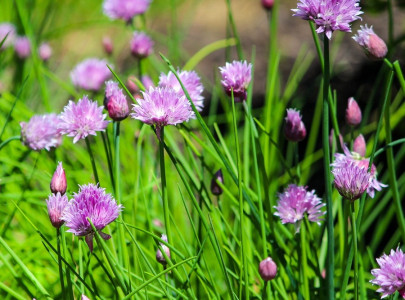
Easy to grow in pots, chive flowers provide nectar for leafcutter bees, honeybees, bumblebees, and mason bees. Moreover, they are fast-growing and have pretty purple flowers that are edible.
Order the chive seeds online.
21. Marigolds
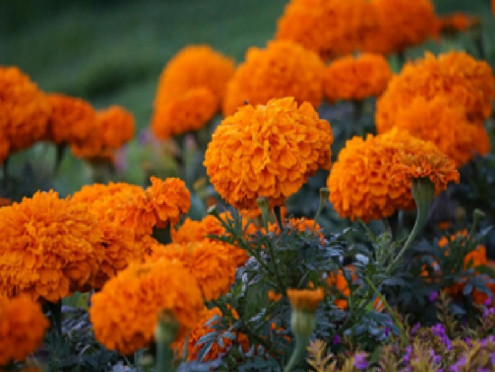
Some marigold varieties provide nectar and pollen for bees and other pollinators. Marigolds may also help control harmful bugs and attract beneficial insects, such as parasitic wasps, hoverflies, and ladybugs.
Buy marigold seeds online.
22. Rosemary
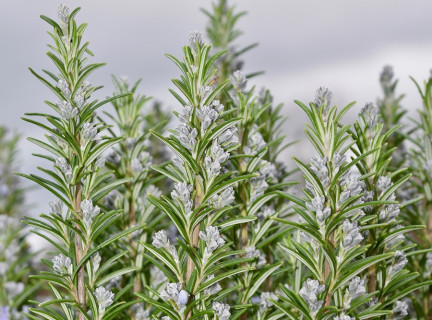
Rosemary attracts bees, butterflies, hoverflies, and other pollinators. Moreover, it blooms throughout the spring and summer, and sometimes even in winter.
Purchase rosemary seeds online.
23. Common Yarrow
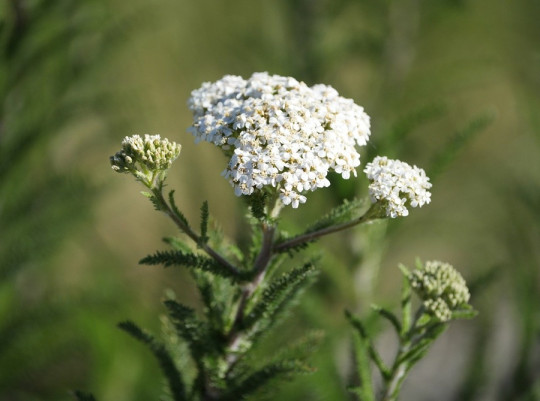
The common yarrow attracts many kinds of pollinators, including bees, butterflies, hoverflies, and beneficial wasps. It is a brilliant addition to your pollinator garden.
Besides attracting pollinators, common yarrow has long been used in traditional herbal medicine around the world [3].
Purchase common yarrow online.
Takeaway
Planting a variety of flowers, shrubs, and herbs that bloom at different times of the year can help attract bees and other pollinators from spring through fall.
Try growing a few of these flowers in your pollinator garden. Your garden will have more color, and pollinators will have plenty of food and shelter.



Fantastic list! Thanks so much.
[…] Nasturtiums bring colorful flowers to the garden. Their flowers may attract bees and other visiting insects. […]
[…] Grow flowers near your garden to attract bees. Avoid spraying open cucumber flowers with products that harm pollinators. […]
[…] Growing flowers that attract bees can help bring these useful visitors into your garden. […]