

 Sasha Campbell
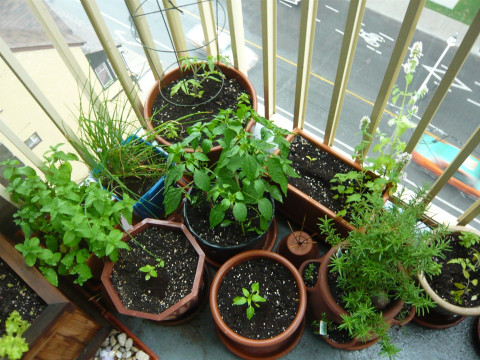
Container gardening is a handy and rewarding way to grow vegetables. It’s perfect for small spaces.
A patio, windowsill, or rooftop can be a great place to grow flowers, herbs, and vegetables.
Container vegetable gardening allows greater control over pests and poor soil conditions [1]. It is also less labor-intensive than caring for in-ground gardens.
How to Start a Container Garden
Below are some tips to get started with your potted garden.
Container
Barrels, troughs, wooden boxes, crates, or attractive old urns could be used. However, weight limits for roofs or balconies require lighter containers.
Plastic half-barrels are lightweight and practical containers for vegetables.
Plastic pots may not look as attractive as clay or ceramic containers. However, they retain moisture well and are durable, while wood can rot and clay can shatter in frosty weather.
You can grow plants in containers such as terracotta pots or glazed ceramic pots.
Terracotta pots can be good or bad for plants. The material’s porous nature allows water and air to pass through the container [2], causing the soil to dry out quickly.
Conversely, terracotta prevents overwatering, helping to avoid root rot and soil-borne diseases. A wooden planter box or DIY container, such as a toy bin or laundry basket, can work too.
Container Size
The right-sized container for the plant matters. Most vegetables grow best in containers at least 10–12 inches deep, though smaller plants and herbs can grow in shallower pots.
Compact plants require smaller containers. However, large plants need room for their roots to spread and thrive.
In a hot climate or long sunny spells, bigger containers with good drainage will help keep the plants from drying out.
Watering Needs
Container planting requires careful watering.
Container plants dry out faster than in-ground plants, especially in hot weather, so regular watering is important. Some containers may need watering once or twice daily during very hot weather.
Mulching the soil surface or using self-watering containers can help retain moisture during hot weather.
However, plants can suffer from overwatering. Therefore, proper drainage and a quality potting mix are as important as the container material.
Pots should have holes in the bottom large enough to release excess water.
Fertilizer Requirements
Unless someone amends it, garden soil is a no-no for containers. It may clog, hold too much moisture, and/or bring in weed seeds, diseases, and pests.
Many garden centers sell a range of fertilizers, especially for containers. A liquid fish-and-seaweed fertilizer applied every two weeks can help keep container plants healthy.
Some gardeners also use molasses and liquid kelp as natural soil supplements.
Drainage
Drainage is a prime consideration in pots and containers to prevent root rot, yellowing, and wilting from excess water.
Ensure containers have several drainage holes at the bottom so excess water can escape. Good drainage helps prevent root rot and soggy soil.
To prevent soil from washing out, cover drainage holes with landscape fabric, mesh, or a coffee filter before adding potting mix.
Planting Seeds and Seedlings
You can start from seeds or buy seedlings when growing vegetables in pots. Both have advantages and disadvantages.
Planting seeds is cheaper than buying seedlings, especially if you save your seeds.
However, growing from seeds is not for everyone. You cannot let them dry out, and you must ensure that they get the right amount of light and good air circulation.
If you want an easier start, buy healthy seedlings from a local garden center.
Easy Vegetables to Grow in Pots
With care, most vegetables can be grown successfully in pots. These are some of the best vegetables for containers:
- Tomatoes—Most tomato varieties can be grown in containers, though large varieties need bigger pots and sturdy support.
- Potatoes also need large pots, plenty of sunshine, and good drainage to thrive. Use large containers at least 15 inches deep and wide.
- Beans—There is a wide variety, but those grown on poles or trellises are attractive and good producers. Bush varieties do not need support. Wooden boxes, terracotta pots, and barrels are ideal containers for beans.
- Spinach is one of the best and easiest vegetables to grow in pots. Spinach thrives in partial shade but requires nutrient-rich soil.
- Peas are another easy crop to grow in pots, requiring little attention. Water frequently and use tall supports.
- Carrots require plenty of space for root development. They grow best in loose, well-draining soil that allows the roots to develop properly.
- Kale—This fast-growing, very productive vegetable needs well-draining, fertile soil to produce well.
- Onions, especially green onions, do well in planter boxes when spaced appropriately.
Other Vegetables and Herbs
- Lettuce
- Arugula
- Peppers
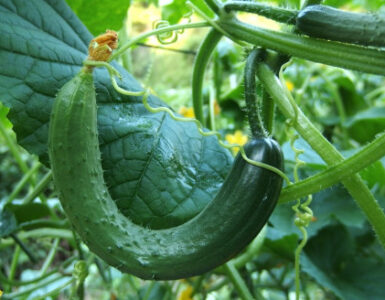
- Cucumbers
- Radishes
- Chives
- Beets
- Swiss chard
- Oregano
- Thyme
- Turnips
- Basil
- Mint
- Parsley
- Eggplant
- Sage
- Scallion
- Parsnips
- Garlic
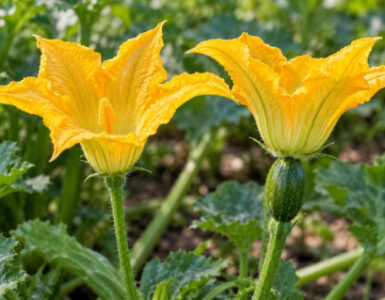
Pumpkins, cauliflower, summer squash, artichokes, and zucchini are other container-friendly plants. Black pepper plants can also grow in containers in warm, humid climates.
A wooden box or a large window box can provide a variety of salad vegetables for the kitchen.
Best Flowers for Containers
We are all used to seeing abundant geraniums, pelargoniums, and petunias in baskets and window boxes. However, there are many other choices:
- Marigolds
- Begonias
- Nasturtiums
- Lobelias
- Flowering tobacco
- Dwarf Dahlias
- Dwarf Cannas
- Daylilies
- Hostas
- Lavender
Easy Fruit Trees to Grow in Pots
Growing fruit in pots is a delightful way to enjoy fresh produce from a patio or balcony. Dwarf fruit tree varieties are usually best for containers.
Here are some fruits to start with:
- Strawberries
- Lemon
- Orange
- Nectarines and peaches.
- Cherries
- Banana
- Apples
- Melons
- Pomegranates
- Figs
You can grow other berries, like raspberries and blueberries. These look great in colorful tubs or terracotta containers.
Pineapples are also fun to grow and give an exotic zing to the balcony, but they need full sun.
Plant Supports
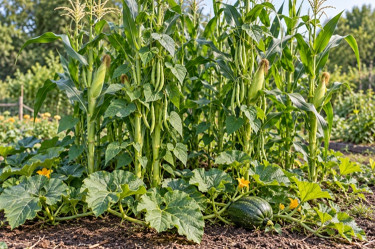
Trellis, stakes, cages, netting, and balcony railings work well for vines and other climbing plants.
Some climbing plants can also be grown together in a large pot and supported with a bamboo teepee. Try different supports and planting combinations to see what works best in your space.
Takeaway
You can achieve beautiful displays and a plentiful harvest with container gardening. Best of all, everything is close to your home.
With the right containers, soil, and care, container gardening can provide beautiful displays and a rewarding harvest right outside your door.



[…] Choose clean containers with holes in the bottom. These holes let extra water drain away. […]