

 Sasha Campbell
Wild amaranth (Amaranthus spp.) is one of the most overlooked plants in the garden.
Many people pull it out as a weed without realizing that some wild amaranth species are edible plants that have been used as food for thousands of years. However, proper identification is important before harvesting any wild plant.
This fast-growing annual thrives in hot weather, adapts to many soil types, and often grows where other plants struggle. It also attracts pollinators, adds organic matter to compost, and can even help support backyard wildlife.
In this guide, you’ll learn how to identify wild amaranth, what nutrients it contains, how it benefits the garden, and the best ways to grow and use it.
What Is Wild Amaranth?
Wild amaranth is a member of the Amaranthus genus, which includes dozens of different species [1]. Some are grown as vegetables or grain crops, while others grow naturally in gardens, fields, roadsides, and disturbed soil.
Many species are called pigweed. Depending on where you live, you may also hear names such as redroot pigweed, smooth pigweed, green amaranth, or Palmer amaranth. Some edible amaranth types are also known as callaloo in parts of the Caribbean.
Most wild amaranth species are annual plants. They sprout from seed in spring, grow rapidly during summer, produce flowers and seeds, and die after the first frost.
Even though the plant only lives one season, the seeds often sprout the following year.
How to Identify Wild Amaranth (Pigweed)
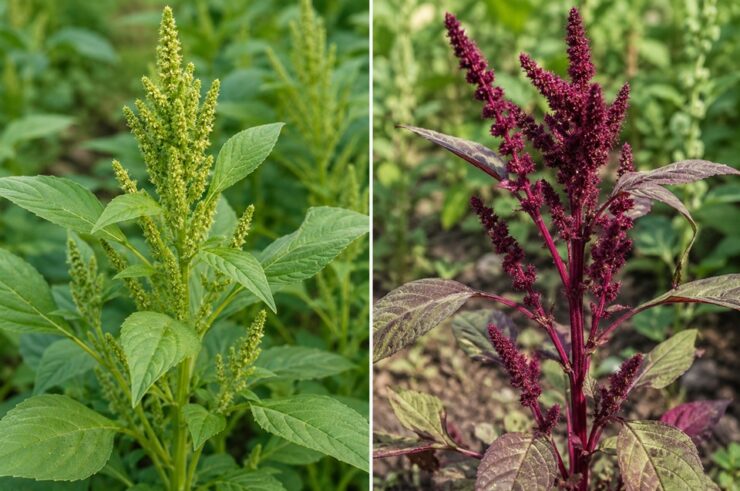
Wild amaranth is fairly easy to recognize once you know what to look for. The plant grows upright on thick green or reddish stems and can reach anywhere from 1 to 8 feet (30 cm to 2.4 m) tall, depending on the species and growing conditions.
The leaves are usually oval or diamond-shaped with pointed tips. They may feel smooth or slightly rough and are arranged alternately along the stem. Some species also have a reddish color around the leaf veins or flower clusters.
During summer, long clusters of tiny green flowers develop at the ends of the stems and where the leaves meet the branches.
As the flowers mature, they produce thousands of tiny black or dark brown seeds. These seeds are one reason the plant spreads so easily.
Many species also develop a thick taproot, especially redroot pigweed.
Nutrient Content of Wild Amaranth
Wild amaranth is prized for both its edible leaves and seeds.
The leaves contain vitamins A and C, folate, minerals such as iron, and dietary fiber [2]. These nutrients make the leaves a nutritious addition to many meals.
The seeds also contain valuable nutrients, including protein, fiber, healthy fats, phosphorus, zinc, magnesium, and manganese.
Unlike many grains, amaranth seeds contain all nine essential amino acids. This makes them a complete protein source.
Garden Benefits of Wild Amaranth
Wild amaranth offers more than edible leaves and seeds. It can also play a useful role in the garden when managed properly.
Its flowers attract bees, butterflies, and other insects. Later in the season, birds feed on the mature seeds, adding more wildlife to the garden.
The plant also produces a large amount of leafy growth. When added to a compost pile, these leaves break down into valuable organic matter that helps improve soil structure.
If you compost wild amaranth, avoid adding mature seed heads unless your compost pile gets hot enough to destroy seeds.
Also, because wild amaranth grows quickly, it can temporarily shade bare soil during hot weather. This helps reduce moisture loss and protects the soil from direct sunlight.
How to Use Wild Amaranth
Important: Always identify wild amaranth correctly before eating it. Avoid harvesting plants near roadsides or areas treated with chemicals.
Young wild amaranth leaves are the most commonly used part of the plant. They have a mild flavor that is often compared to spinach.
The leaves can be steamed, sautéed, added to soups, mixed into omelets, or eaten fresh when they are very young.
As the plant matures, the leaves become slightly tougher. Cooking them softens the texture and improves the flavor.
The tiny seeds are another valuable harvest. Once cleaned, they can be cooked like grains, added to porridge, ground into flour, or popped.
Gardeners who do not wish to eat the plant often add it to the compost pile. The fresh stems and leaves decompose quickly and contribute nutrients back to the soil.
How Wild Amaranth Grows
Wild amaranth is known for its rapid growth. Seeds usually germinate once soil temperatures warm in late spring.
The seedlings grow fast and produce new leaves throughout warm weather.
The plant performs best in full sun but adapts well to many soil types, including clay, sandy soil, and average garden soil. It also handles periods of drought much better than many leafy vegetables.
Most growth occurs during the hottest part of summer when temperatures consistently remain warm.
How to Grow Wild Amaranth
Growing wild amaranth is simple because the plant requires very little attention.
Choose a sunny location that receives at least six hours of direct sunlight each day. Loosen the soil before planting, then sprinkle the tiny seeds over the soil surface, cover them very lightly with soil, and water gently.
Once seedlings appear, thin them to give each plant enough room to grow. When plants grow too close together, they stay smaller, and diseases can spread more easily.
Keep the soil lightly moist while the seedlings establish themselves. Mature plants usually need very little watering unless the weather becomes extremely dry.
Best Growing Conditions
Wild amaranth grows best in warm weather and well-drained soil with a pH between 6.0 and 7.5. Although rich soil encourages larger plants, wild amaranth often grows successfully in poor soil where many vegetables struggle.
Good air circulation helps reduce plant disease problems, especially during humid weather. Since the plant loves heat, growth is strongest during hot weather when temperatures stay between 70°F and 90°F (21°C to 32°C).
Is Wild Amaranth Invasive?
Some wild amaranth species produce an enormous number of seeds. If left alone, a single mature plant can scatter thousands of seeds that may sprout the following year.
Fortunately, controlling it is fairly simple. Pull unwanted plants while they are still young or remove the flower heads before seeds fully mature.
Applying mulch around desirable plants also helps prevent new seedlings from emerging.
With regular maintenance, many wild amaranth species are easy to manage in home gardens.
Common Growing Problems
Wild amaranth is naturally hardy and experiences few serious problems. Occasionally, aphids, flea beetles, caterpillars, or leaf miners may feed on the leaves.
In humid climates, powdery mildew can appear during long periods of wet weather. Deer and rabbits may also feed on young plants in some areas.
Healthy plants usually recover without much care, especially when they receive plenty of sunlight and good air circulation.
Can You Grow Wild Amaranth in Containers?
Yes. Wild amaranth grows well in containers as long as they are large enough to allow healthy root growth. Choose a container that is at least 12 inches (30 cm) deep for better root growth.
Place the container in full sun and water whenever the top inch of soil begins to dry. Container-grown plants may not become as tall as those in the ground, but they still produce plenty of edible leaves.
Harvesting Wild Amaranth
Leaves can be harvested once the plants reach about 8 inches (20 cm) tall. Pick only a few leaves from each plant at one time so it continues producing new growth.
For seeds, wait until the flower heads become dry and begin releasing seeds naturally. Cut the seed heads, allow them to finish drying indoors, then gently rub the seeds free.
Store the cleaned seeds in an airtight container in a cool, dry place to help preserve their quality.
Wild Amaranth vs Cultivated Amaranth
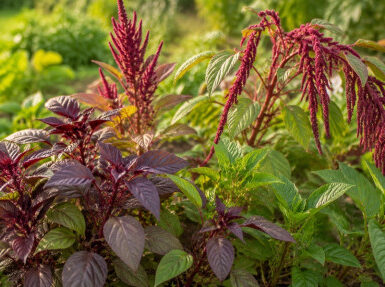
Wild amaranth grows naturally in gardens and fields, while cultivated amaranth is grown intentionally for food or decoration.
Both belong to the same genus (Amaranthus), but cultivated varieties are usually selected for larger leaves, colorful flowers, or higher seed production.
Many cultivated varieties are also easier to harvest because they produce more uniform growth.
Where to Buy Wild Amaranth Seeds
If you want to grow wild amaranth in your garden, it’s best to buy seeds from a trusted supplier. This helps ensure you get the variety you want and seeds with good germination rates.
Two popular places to buy amaranth seeds for home gardens are SeedsNow and Seed Needs. If you are looking specifically for wild amaranth, check the product description carefully because many sellers offer cultivated amaranth varieties instead.
Frequently Asked Questions
Is wild amaranth edible?
Yes. Many species have edible leaves and seeds. Always identify the plant correctly before harvesting and avoid plants growing in areas treated with herbicides or pesticides.
Is wild amaranth the same as pigweed?
Many wild amaranth species are called pigweed, but not every plant called pigweed is the same species.
Does wild amaranth return every year?
The plant itself does not survive winter because it is an annual. However, new plants often grow the following year from seeds left in the soil.
Can wild amaranth grow in poor soil?
Yes. One of its greatest strengths is its ability to grow in sandy, clay, or low-fertility soils where many other plants struggle.
Is wild amaranth safe for chickens?
Yes. Chickens can eat the leaves and seeds in moderation as part of a balanced diet.
Takeaway
Wild amaranth is much more than a common weed. It is a fast-growing, edible plant that provides nutritious leaves and seeds, and several benefits for the garden.
Its ability to grow in many soil types and hot weather makes it an excellent choice for gardeners looking for a hardy, low-maintenance plant.
If you decide to grow wild amaranth, be sure to harvest it before it sets seed if you want to keep it from spreading. With simple care, this overlooked plant can become a useful addition to your edible garden.





[…] Wild amaranths may appear on their own. Cultivated types are planted on purpose for food. Gardeners can choose varieties grown for leaves, grain, or both. […]