

 Sasha Campbell
When a plant lacks a sufficient amount of an essential nutrient required for growth, you may see signs of nutrient deficiency.
Plants need various nutrients to grow and remain healthy [1]. Fast-growing and high-yielding crops often use nutrients quickly, so it is important to monitor them for signs of deficiency.
Soil pH plays a major role in how well plants absorb nutrients. Even when nutrients are present in the soil, the pH level can impact their availability to plants.
Common Nutrient Deficiencies in Plants (Plus How to Treat Naturally)
Nutrient deficiency symptoms usually appear on older or newer leaves. It all depends on whether the nutrient can move within the plant.
This list will help you identify symptoms of plant deficiencies and how to treat the issues naturally.
1. Phosphorus
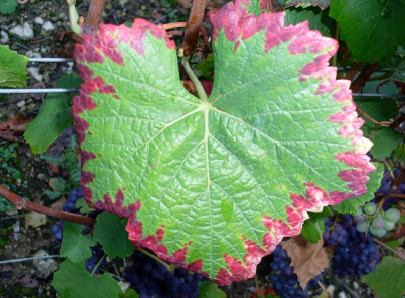
“Grape leaf showing nutrient deficiency” by kvins.com (Flickr) via Wikimedia Commons, licensed under CC BY 2.0.
Your plant will show signs of stunting, and a dark green color will appear in both leaves and stems. Symptoms will appear first on older leaves, which may acquire a purplish hue.
This can result from conditions that are too cold for the plant to take up phosphorus or from poor soil health.
There are a few home remedies for phosphorus deficiency in plants. Firstly, do not overwater the plants. Adding bone meal, rock phosphate, and manure to the soil may also help.
You can also increase soil organic matter by adding compost, which improves nutrient availability and soil health. Bone meal is a great product for naturally increasing soil phosphorus levels.
2. Potassium
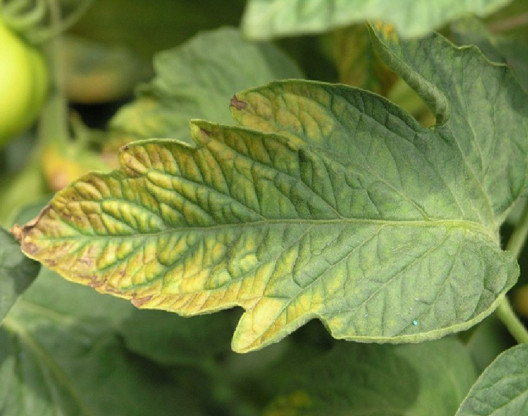
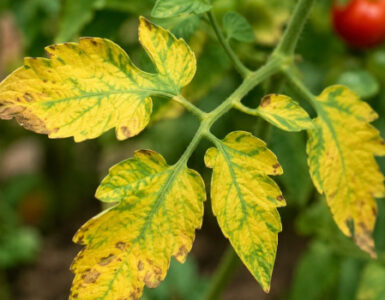
Tomato leaf showing potassium deficiency (Tomate Blatt Kalimangel) by Goldlocki, via Wikimedia Commons. Licensed under the CC BY-SA 3.0.
Older leaves will be yellow between the veins and have brown, curled-up edges. You may also notice symptoms of purple or bronze spots on the underside of the leaves.
Poor flowering and fruiting may also occur. Additionally, root, seed, and growth development will decline.
To treat potassium deficiency in plants, choose a high-potassium fertilizer, such as kelp meal or greensand.
Another way to help fix the problem is to bury banana peels an inch below the soil. Banana peels can add small amounts of potassium over time, but they are not a fast or reliable solution for severe deficiency.
3. Calcium
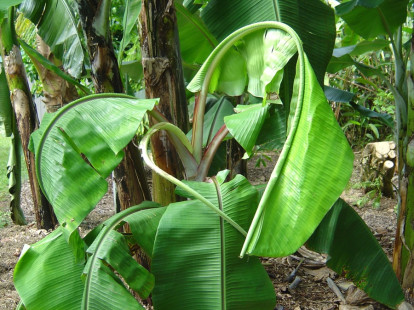
When plants have a calcium deficiency, young leaves are the first to be affected. They show signs of distortion (cupped or curled).
Additionally, the leaves will be small and have yellowish or brown spots. Terminal buds and root tips will also die. Moreover, insufficient calcium in tomato tissue causes blossom-end rot.
To help fix this issue, add crushed eggshells to your compost or work finely ground eggshells into the soil to slowly increase calcium levels.
You can also make a homemade calcium solution by placing 20 dried eggshells in a glass jar. Then, cover the eggshells with enough white vinegar to completely submerge them.
Allow the mixture to sit for 1 to 2 weeks, stirring occasionally, until the bubbling stops and much of the eggshell has dissolved.
Strain the liquid and dilute 1 tablespoon of the solution in 1 gallon of water. Apply it to the soil around calcium-deficient plants.
This solution provides a mild and quick-acting calcium supplement. However, it should not be relied on as your only source of calcium.
Neptune’s Organic Crab Shell Fertilizer is also a good source of calcium for plants. Furthermore, adding garden lime to the soil is another way to raise calcium levels, especially if the soil is acidic.
4. Nitrogen
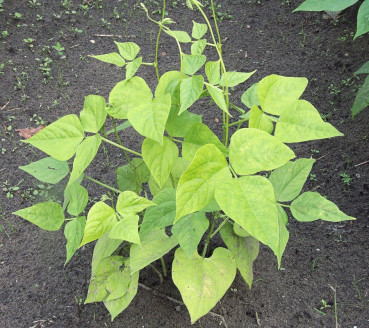
Phaseolus vulgaris nitrogen deficiency by Rasbak, via Wikimedia Commons. Cropped from the original image. Licensed under CC BY-SA 3.0.
Among the plant mineral deficiencies gardeners encounter, nitrogen is not uncommon.
Your plant will likely be shorter than average and produce small flowers and fruits. Its leaves will also be yellow or pale green, and the lower leaves will be affected first.
Composted coffee grounds may help improve soil fertility over time. An organic fertilizer, such as earthworm castings or bat guano, can also help to treat the problem.
Growing legumes such as peas and beans can help build nitrogen levels in the soil over time, especially when plant residues are incorporated into the soil.
5. Magnesium
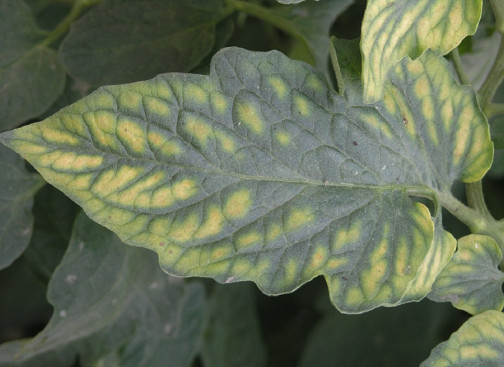
Tomate Blatt Magnesium-Mangel (Tomato leaf magnesium deficiency) by Goldlocki, via Wikimedia Commons. Licensed under CC BY-SA 3.0.
Magnesium deficiency is commonly seen in tomato plants, apples, grapes, roses, and rhododendrons.
You will see yellowing in the area between the veins on older leaves, while the veins remain green. Leaf curling and stunted growth may also occur.
Excess potassium in the soil can sometimes interfere with magnesium uptake and contribute to deficiency symptoms. However, Epsom salt solutions can help fix magnesium deficiencies in plants when a magnesium deficiency is confirmed.
6. Sulfur
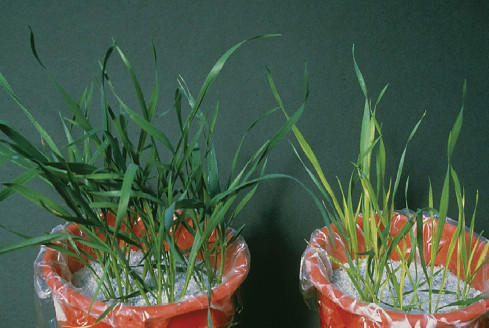
Sulfur deficiency in wheat by International Maize and Wheat Improvement Center (CIMMYT), via Flickr. Licensed under CC BY-NC-SA.
The entire plant will show chlorosis, with leaves turning yellow or pale green. High rainfall and weathered soil can both cause it.
However, you can treat sulfur deficiency in plants by applying aged or composted manure or gypsum. Elemental sulfur and compost containing brassica residues may also help.
7. Boron
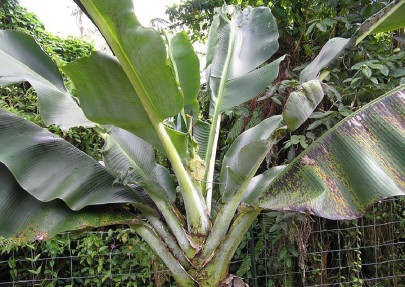
The plant is usually smaller, has brittle foliage, and the growing tips may wither. The tips of the lower leaves may also show yellowing.
Dry soil, sandy soil, excess calcium, and high soil pH are common causes of boron deficiency.
Enough moisture can help prevent it. Additionally, Biomin Boron is an excellent organic fertilizer for increasing soil boron levels.
8. Copper
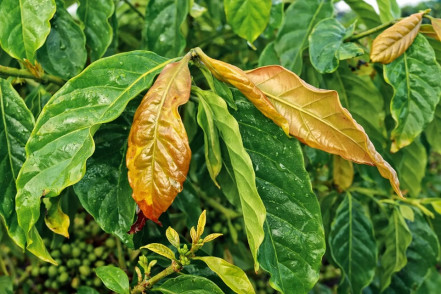
Copper is among the least common nutrient deficiencies in crops. Mature leaves will turn light green, and the tips may become twisted or misshapen.
It tends to occur mainly in plants growing in high-pH soils. However, excess potassium and phosphorus can also reduce the availability of copper.
Have your soil tested. Most plants grow best at a pH between 6.0 and 7.0. Also, Biomin Copper fertilizer works well on copper-deficient plants.
9. Iron
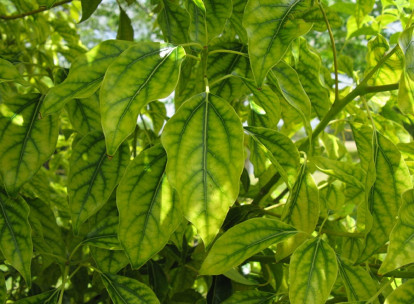
Cinnamomum camphora mineral deficiency by JonRichfield, via Wikimedia Commons. Licensed under CC BY-SA 3.0.
Iron deficiency is first seen in young leaves and new growth. It is especially common in blueberries, azaleas, citrus, and other plants that prefer acidic soil.
Leaf veins will stay green, while the area in between will turn yellow. If severe, the entire leaf may also turn white or yellow.
Biomin Iron can give your plants the iron they need. Adding chicken manure and compost, along with organic garden and kitchen scraps, can help naturally fix the problem.
Note: Iron is often present in soil, but it becomes unavailable to plants when the pH is high (alkaline) [2].
10. Manganese
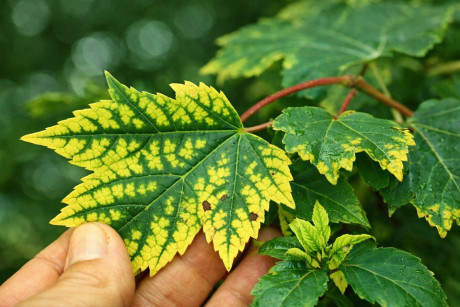
Initial symptoms show interveinal chlorosis in younger leaves. This makes them yellow with pale green veins. Plants may also be shorter and have fewer leaves.
Manganese deficiency often resembles iron deficiency. However, the symptoms and the soil conditions causing them can differ.
Manganese deficiency occurs in poorly drained soils and in soils with too much agricultural lime.
You can buy treatments to naturally increase soil manganese levels.
11. Molybdenum
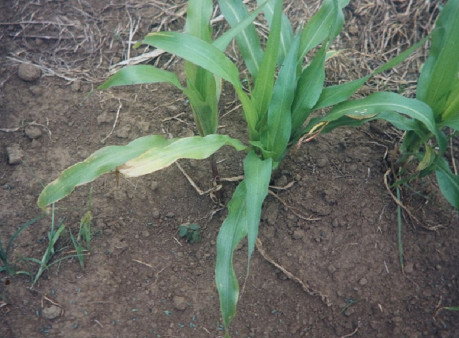
Molybdenum deficiency symptoms in young maize plants by Alandmanson (Alan Manson), via Wikimedia Commons. Licensed under CC BY-SA 4.0.
Leaves will have interveinal yellowing or pale green coloring. Leaf edges may also appear scorched.
It commonly appears on cauliflower or similar brassicas grown in insufficiently alkaline soil. Making the soil more alkaline will help in the long term.
12. Zinc
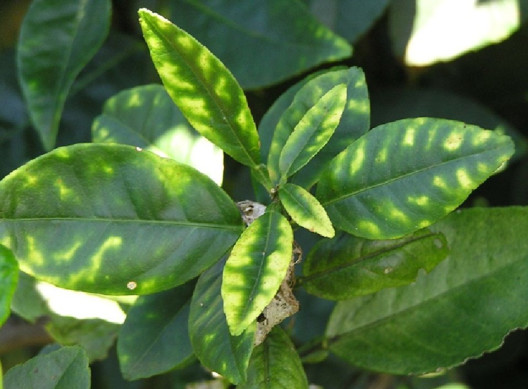
Symptoms vary, depending on the plant. However, the stems will be short, and the upper leaves will show brown spots.
Stunting may also occur, with yellow patches present between the veins. It is most common in fruit trees, corn, pecans, and citrus.
Use Biomin Zinc to add zinc to your soil. Be careful with high-phosphorus fertilizers, as they reduce the amount of zinc available to your plants.
13. Poor Soil Aeration (Root Oxygen Deprivation)
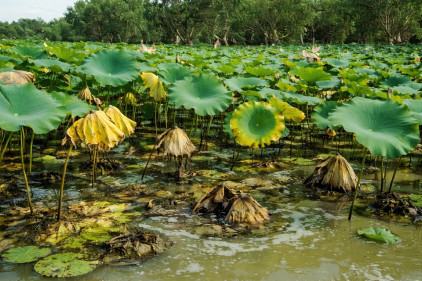
Plants do not suffer from oxygen deficiency as they do from nutrients such as nitrogen or potassium. Instead, the problem occurs when roots are deprived of oxygen due to waterlogged or compacted soil.
This condition, known as root hypoxia, causes roots to turn brown, soft, and damaged rather than firm and white. Aboveground, plants may wilt, droop, or show signs of stress even when the soil is wet.
Poor drainage, overwatering, or heavy clay soil are the most common causes.
To prevent this, avoid overwatering and ensure your soil drains well. Adding compost or organic matter can also help improve soil structure and increase air pockets in the root zone.
Raised beds or containers with drainage holes can also reduce the risk.
14. Low Carbon Dioxide Levels (Rare Indoor Condition)
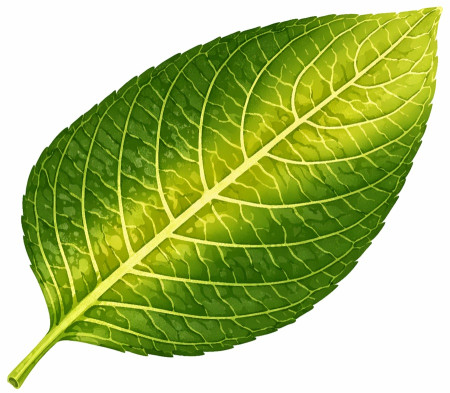
This is not a typical nutrient deficiency, such as nitrogen or iron. In normal outdoor gardens, carbon dioxide is always available in ample amounts from the atmosphere.
However, in tightly sealed indoor spaces, like poorly ventilated greenhouses or grow tents, CO₂ levels can become limited. This limitation may significantly slow plant growth.
When CO₂ is too low, plants may grow more slowly, appear weak, and produce less biomass. This is not a common home gardening problem. It should not be confused with nutrient deficiencies caused by soil issues.
Improving air circulation and ventilation is often more effective. It’s better than trying to add carbon dioxide manually.
Opening vents, using fans, or allowing fresh air exchange is often enough to maintain healthy growth conditions.
15. Nickel
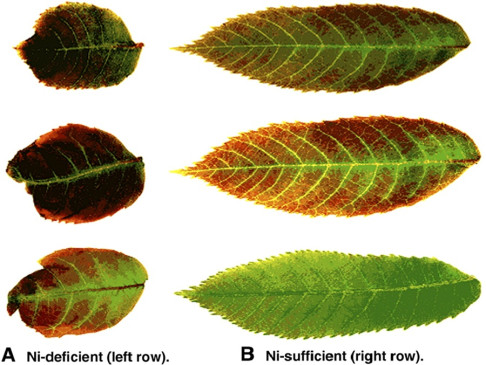
Nickel (Ni) deficiency in plants by Farzan128, via Wikimedia Commons. Licensed under CC BY‑SA 4.0.
Low nickel levels in leaves may cause whole-leaf chlorosis or necrotic tips. This condition can also be caused by high levels of magnesium and copper in the soil, as well as excess zinc and iron.
Barley, legumes, wheat, and citrus are generally affected. Check with your local gardening center.
A foliar spray containing nickel may help if a deficiency has been confirmed through testing. Because plants need only tiny amounts of nickel, excessive applications can cause toxicity.
Nickel deficiency is uncommon and usually occurs only in specialized agricultural situations.
16. Chlorine (Cl)
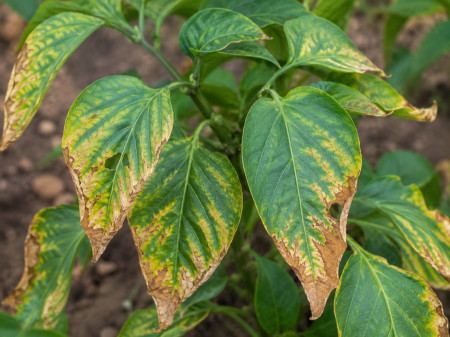
Chlorine is an essential micronutrient that plants need in very small amounts. It plays a role in regulating water movement in plants and supports photosynthesis [3].
Chlorine deficiency in garden soil is extremely rare and is almost never seen in home gardens. This is because chlorine is naturally found in rainwater, compost, and many fertilizers.
When it occurs, plants may show wilting, stunted growth, and unusual leaf discoloration.
In most cases, no treatment is needed. However, if a deficiency is suspected (usually confirmed by a soil test), you can address it.
Small amounts of chloride-containing fertilizers can help, or you can improve soil balance by adding organic matter.
Be careful not to overapply chlorine, as excess levels can harm sensitive plants.
Takeaway
The above are examples of plant nutrient deficiencies and how to fix them at home.
Many nutrient deficiency symptoms can look alike. That’s why soil testing is often the best way to identify the underlying problem. It helps pinpoint the exact issue for better solutions.
To maintain healthy soil, use compost, water properly, and check the pH. These steps can help prevent many deficiencies before they occur.
Also, remember to follow the directions for organic fertilizers. This way, you’ll apply the right amounts.
If you’re unsure about the problems with your crops, you can ask your local gardening center for help.





Hi Sasha Brown
I have tried Garlic 🧄 on the caterpillar’s
This morning my Friend went out in the back Garden had a look at my Veggies
She said that not a lot off Caterpillar’s on my Veggie’s
Garlic 🧄 is working that what my friend said