


 Andre Campbell
Manure is a natural fertilizer that can help your vegetable garden grow healthy crops.
What Is Manure?
Manure is organic material, usually made from animal dung and urine, that is added to soil to help plants grow. It is commonly used in organic gardening.
Manure adds nutrients to the soil. For example, farmyard animals, including cows, sheep, and goats, produce a lot of waste. You can compost this waste to create organic fertilizer for your garden.
Other common types include chicken, rabbit, horse, donkey, alpaca, and llama manure.
Manure is rich in important nutrients that plants need. These include nitrogen (N), potassium (K), and phosphorus (P), but in different amounts.
There is also green manure. This is when fresh plants are cut down and mixed into the soil while they are still green, adding nutrients as they break down [1].
Types of Animal Manure
Animal manure is classified as ‘hot’ or ‘cold,’ depending on the nutrient content. These terms are traditional gardening descriptions rather than official scientific categories.
Fresh manure should not be used on plants. Aged or well-rotted manure works best.
Hot
Gardeners generally refer to manures that are high in nitrogen as “hot manures.” If not properly composted, these can burn plant roots.
Compost hot manure with carbon-rich materials, such as straw and leaves, to help it break down before adding it to the soil.
Below are examples of hot manures.
Horse Manure
Well-composted horse manure is a good soil amendment for vegetables because it adds nutrients and organic matter. Vegetables that benefit from nutrient-rich soil include kale, peppers, cucumbers, spinach, and okra.
Tomatoes need some nitrogen to grow healthy leaves. However, too much nitrogen can lead to many leaves but fewer tomatoes.
Horse manure should be well composted before use. This usually takes several months, depending on how it is composted.
Donkeys, zebras, and mules are also in the same family as horses.
Chicken Manure
Fresh chicken manure is considered very hot. It is rich in nitrogen, phosphorus, potassium, and other nutrients that help plants grow.
Use properly composted poultry manure in the vegetable garden after it has fully broken down.
Cold
Cold manures are less likely to burn plants than hot manures. Even so, it is best to use aged or composted manure, especially in vegetable gardens.
Cow Manure
Cow manure is one of the most popular cold manures.
It contains nitrogen, phosphorus, potassium, and other nutrients that plants need. It works best when used as composted manure.
Sheep Manure
Sheep manure contains plenty of phosphorus and potassium, as well as other nutrients. As it ages, it becomes nutrient-rich and less likely to burn plants.
Rabbit Manure
Rabbit manure is rich in nutrients and is one of the few manures that some gardeners use without composting first. Even so, composting is still recommended when using manure around edible crops.
Alpaca and Llama Manure
These are rich soil conditioners and usually contain fewer weed seeds than some other types of manure.
Goat Manure
Goat manure is also an excellent soil conditioner and virtually odorless. Many gardeners also consider it one of the best animal manures for plants and soil.
Pet and Human Waste
Some pet and human waste can be composted using specialized methods, but it is generally not recommended as fertilizer for vegetable gardens [2, 3].
Pig Slurry
Pig slurry should be composted or properly treated before use.
Fresh pig slurry should not be used in vegetable gardens because it may contain harmful germs [4].
Synthetic Fertilizers vs. Manure
Animal dung can be smelly and messy, and it takes time to decompose. Because of this, some farmers prefer synthetic fertilizers.
However, synthetic fertilizers do not add organic matter to the soil. Organic matter helps retain moisture, improve drainage, and support healthy soil organisms.
Synthetic fertilizers mainly provide nutrients directly to plants. By contrast, many organic fertilizers also add organic matter or support healthier soil.
Animal Manure vs. Plant-Based Fertilizers
One of the primary disadvantages of fresh livestock manure is the risk of contaminating edible plants.
Animal dung may contain harmful bacteria, such as E. coli, Listeria, and Salmonella. Handle it carefully to avoid contaminating food and causing foodborne illnesses [5].
Leafy greens and crops eaten raw are more likely to become contaminated if fresh manure is used too close to harvest. For this reason, use only composted or well-aged manure.
Plant-based fertilizers, such as compost, composted leaves, kelp meal, or green manure, reduce these risks.
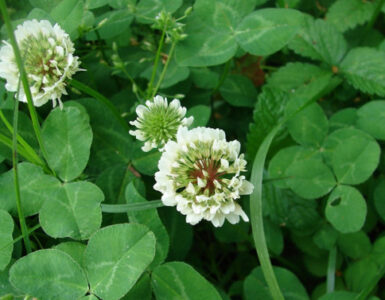
Cover crops, such as ryegrass, alfalfa, and certain clovers, can also be used as green manure. As they break down, they enrich the soil. They also help improve soil structure and promote good drainage.
How to Use Manure for Growing Vegetables
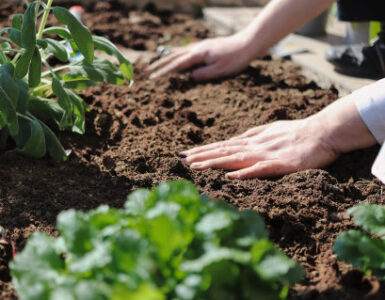
There are two ways to use manure in the vegetable patch. First, you can compost it and mix it into the soil. You can also add fully aged manure around established plants.
However, using fresh manure is not the best option. It may contain harmful bacteria and other germs, weeds, or insect pests.
Fresh manure can also burn plants and may be unpleasant to transport because it has a strong odor and attracts even more pests.
Farmers often spread manure on fields well before planting or after harvest, giving it time to break down before crops are grown.
When you leave it to dry and age, the odor will diminish. It will also be easier to transport and less likely to cause contamination or burn plants.
Mix well-aged or composted manure into the soil before planting to help reduce risks.
You can also make manure tea by soaking aged manure in water. This creates a liquid fertilizer that is easy to apply. Always use aged manure when making it.
Adding to the Compost
Compost improves the soil, but some vegetables also benefit from the extra nutrients found in aged manure.
Therefore, a mix of compost and aged manure is the best base for growing organic vegetables.
Takeaway
Aged or composted manure is a natural fertilizer that improves soil and feeds plants. When used correctly, it can help grow healthy crops and maintain fertile soil.

 Sasha Campbell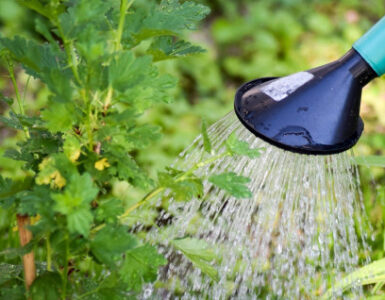



Add comment