

 Sasha Campbell
Water is one of the most important things plants need. Without enough water, plants can wilt, stop growing, and even die.
But watering a garden is not as simple as turning on a hose. Watering too much, too little, or at the wrong time can cause problems.
The good news is that most garden watering mistakes are easy to fix.
Garden Watering Mistakes
Here are some of the biggest watering mistakes gardeners make and how to avoid them.
1. Watering a Little Every Day
One of the most common watering mistakes is giving plants a small amount of water every day.
This may seem like a good idea. However, light watering often wets only the top layer of soil. Plant roots may stay near the surface because that is where the water is.
This can make plants dry out quickly on hot days.
How to Fix It
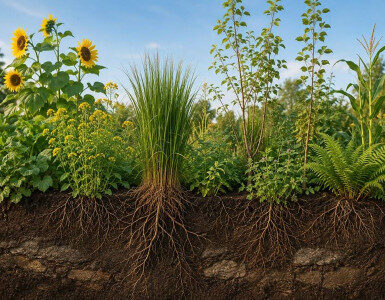
Water deeply when the soil needs it. A deep watering helps moisture move farther into the soil. This encourages roots to grow deeper.
Deep roots can often find water more easily during dry weather.
However, the right watering schedule depends on your soil, weather, plant type, and garden location. Always check the soil before watering.
2. Watering on a Strict Schedule
Some gardeners water every Monday, Wednesday, and Friday no matter what the weather is doing.
But plants do not always need water on a set schedule.
Rain may have already watered the garden. Cool weather may slow down water loss. Hot, dry weather may cause the soil to dry out faster.
Check the Soil First
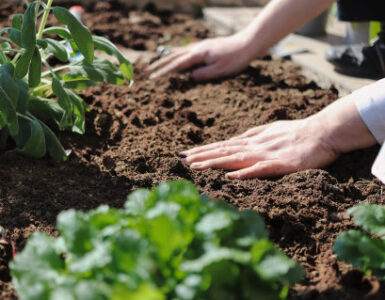
Push your finger 1 to 2 inches into the soil near the plant. For larger plants, check deeper if possible.
If the soil feels dry, your plants may need water. If the soil still feels damp, wait a little longer.
Checking the soil is often better than following a strict watering calendar.
3. Giving Plants Too Much Water
Overwatering is one of the most damaging watering mistakes.
Many gardeners think more water means healthier plants. Sadly, this is not always true.
Plant roots need both water and air. When soil stays wet for too long, water can fill the spaces where air should be.
This can cause roots to become weak or rot.
Signs of Overwatering
Look for:
- Yellow leaves
- Wilting plants in wet soil
- Soft or rotting roots
- Slow growth
- Mold or fungus near the soil
- A bad smell from the soil
If the soil stays wet for a long time, improve drainage and allow the soil to dry slightly before watering again.
4. Not Watering Deep Enough
Some gardeners water quickly and then stop.
The top of the soil may look wet, but the water may not have reached the deeper roots.
This is especially common when watering large garden beds, trees, shrubs, and established plants.
Slow Watering Works Better
Water slowly so the moisture has time to soak into the ground.
If water begins to run off the soil, stop for a few minutes. Then start watering again.
This gives the soil time to absorb more water.
5. Watering the Leaves Instead of the Soil
Plants take in most of their water through their roots. That is why it is usually best to water the soil around the roots.
Wet leaves can also create a damp environment where some plant diseases spread more easily.
Water at the Base of Plants
Aim the water at the soil near the base of the plant.
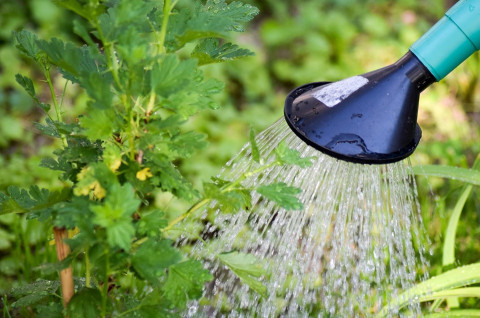
A soaker hose or drip irrigation system can make this easier. A watering can also works well for small gardens.
Keeping leaves dry can help reduce the risk of some fungal diseases [1].
6. Watering Mistakes That Cause Fungus
Some watering mistakes can make fungal diseases more likely.
Watering the leaves can leave them wet for a long time. This can create conditions that help some fungal diseases spread.
Overwatering can also keep the soil too wet. This may lead to root problems and other diseases.
To help reduce the risk of fungus:
- Water the soil instead of the leaves when possible.
- Do not overwater plants.
- Give plants enough space for good air movement, especially if you water from above.
- Remove badly diseased leaves when needed.
Good watering habits can help keep plants healthier and reduce some fungal problems.
7. Watering During the Hottest Part of the Day
Watering at midday is not always harmful, but it may not be the best time.
On very hot days, some water can evaporate before it reaches plant roots. This means you may use more water than necessary.
If a plant is badly wilted, do not wait until morning. Water it when it needs water.
The Best Time to Water
Early morning is often a good time to water. The weather is usually cooler, and the leaves have time to dry during the day.
Early evening can also work. However, watering the soil is better than spraying the leaves.
Wet leaves that stay wet all night may increase the risk of some plant diseases.
8. Ignoring the Type of Soil
Not all soil holds water in the same way.
Clay soil can hold a lot of water. It may drain slowly.
Sandy soil drains quickly. It may need water more often.
Loamy soil usually holds moisture while still allowing extra water to drain away.
Change Your Watering Method
If you have sandy soil, water may need to be applied more often because water drains away quickly.
If you have heavy clay soil, water slowly to reduce runoff and give the soil time to absorb the water.
Adding organic matter, such as compost, can help improve soil. Compost can also help sandy soil hold more moisture.
9. Forgetting About Mulch
Bare soil can lose water quickly.
Sun and wind can dry the soil. Mulch helps cover the soil and slow down water loss.
Organic mulch can include shredded leaves, straw, grass clippings, compost, and wood chips.
Do Not Pile Mulch Against Stems
One mistake is placing a thick pile of mulch directly against plant stems or tree trunks. Keep mulch a few inches away from the base of plants and trees.
10. Watering New Plants the Same as Older Plants
Newly planted plants often need more frequent watering while their roots become established.
Newly planted seedlings and shrubs may not have large root systems yet. Their roots may be small and unable to reach water deep in the soil.
Give New Plants Extra Care
Check new plants often, especially during hot or dry weather.
Once their roots become established, they may need less frequent watering.
11. Forgetting About Container Plants
Many plants in pots can dry out faster than plants growing in the ground, especially when the containers are small or exposed to hot sun [2].
Containers have a limited amount of soil. They may also become hot in the sun.
Small pots can dry out especially quickly.
Check Potted Plants Often
Feel the soil before watering.
Make sure the container has drainage holes. Without drainage holes, extra water may collect around the roots.
Remember that a pot that looks dry on top may still be wet underneath.
12. Using the Same Amount of Water for Every Plant
Different plants have different watering needs.
A cactus does not need the same amount of water as lettuce.
A newly planted vegetable seedling may need more regular watering than an established rosemary plant.
Learn What Your Plants Need
Group plants with similar water needs together when possible. This makes watering easier and helps prevent some plants from getting too much or too little water.
13. Forgetting to Water Seeds and Seedlings
Seeds need moisture to sprout. If the soil dries out soon after planting, seeds may fail to germinate.
Young seedlings also have small roots and can dry out quickly.
Keep the Soil Gently Moist
For most seeds, the soil should be moist but not soaked. Water gently so you do not wash away seeds or damage small seedlings.
A gentle spray from a watering can is often better than a strong blast from a hose.
14. Watering Without Checking for Rain
Many gardeners water the garden, and then a heavy rain arrives later that day. This can leave the soil too wet.
Before watering, check the weather forecast if rain is expected. You can also check the soil to see how much moisture is already there.
15. Allowing Water to Run Off
When soil is very dry or hard, water may run across the surface instead of soaking in.
This wastes water and may leave plant roots dry.
Water in Short Sessions
Apply water for a short time. Then pause.
After the water soaks in, water again.
This method can help hard or dry soil absorb more moisture.
16. Forgetting to Check the Drainage
Poor drainage can cause serious watering problems.
A garden may receive the right amount of water but still stay too wet if extra water cannot escape.
Standing water can harm roots.
If water stays in the soil for days after watering, the problem may be poor drainage rather than too much water.
Improve Drainage When Needed
Adding compost can improve soil structure over time. However, very poorly drained areas may need a larger solution, such as a raised bed or a drainage system.
For container plants, always check for drainage holes.
17. Watering Only When Plants Wilt
Wilting is a sign that a plant is under stress.
Some plants may recover after watering. Others can suffer damage if they stay dry for too long.
It is better to check the soil before plants become badly or repeatedly wilted.
Watch for Early Signs
Dry soil and drooping leaves can signal that plants need water. Slow growth can also mean that a plant has another problem.
Regular soil checks can help you find problems early.
18. Forgetting About Wind and Sun
A garden in full sun may dry out faster than one in the shade. Wind can also remove moisture from soil and plant leaves.
This means two gardens in the same area may need different watering schedules.
Look at Your Garden’s Location
Plants growing beside a hot wall may need more water. Plants in a shaded area may stay moist longer.
Always consider sunlight, wind, temperature, and soil when deciding when to water.
19. Using a Strong Blast of Water
A strong stream from a hose can damage young plants. It can also wash away soil and expose plant roots.
Strong water may even knock over seedlings.
Use a Gentle Flow
A gentle stream is usually better for garden plants.
Water slowly around the root zone.
For seedlings, use a soft spray or watering can.
How Often Should You Water a Garden?
There is no single answer for every garden.
The best watering schedule depends on:
- The type of plant
- The type of soil
- The weather
- The amount of sunlight
- The size of the plant
- Whether the plant is in a pot or in the ground
Instead of watering automatically, check the soil. This simple habit can help you avoid both overwatering and underwatering.
How Can You Tell if a Plant Needs Water?
Start by checking the soil.
Push your finger into the soil near the plant. If the soil feels dry below the surface, the plant may need water.
You can also look at the plant.
Drooping leaves may mean the plant is thirsty. However, remember that overwatered plants can also wilt.
That is why checking both the plant and the soil is important.
The Best Way to Water Plants
Good watering is about more than using a lot of water.
- Water slowly.
- Water deeply when needed.
- Focus on the soil around the roots.
- Check the soil before watering.
- Use mulch to help hold moisture.
- Pay attention to weather and soil type.
These simple habits can help your garden grow stronger.
Takeaway
Watering mistakes can cause many garden problems.
Too little water can cause plants to dry out. Too much water can damage roots. Watering at the wrong time or in the wrong way can also waste water.
The best way to water a garden is to pay attention.
Check the soil. Look at the weather. Learn what your plants need.
With a little practice, you can avoid common watering mistakes and help your plants stay healthy all season long.




[…] Watering the plants you want instead of the entire garden can reduce the water available to weeds. […]
[…] example, you could water the garden while standing barefoot on clean grass. You might also sit in a chair and rest your bare feet on […]