

 Andre Campbell
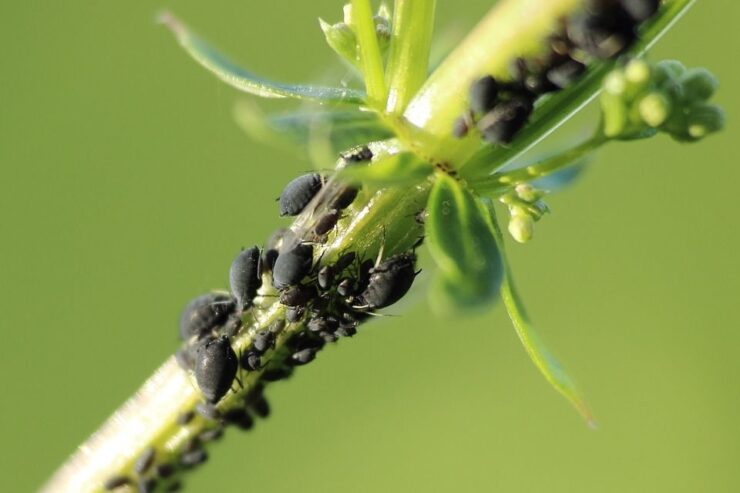
Whether you’re a professional farmer or a backyard gardener, you may encounter destructive bugs on your plants.
However, many natural and low-impact methods can help control common plant pests. These range from biological and physical controls to organic pesticides and simple home remedies.
How to Get Rid of Bugs on Plants Naturally
Below are some home remedies and organic methods to stop garden pests from eating your plants. Some methods repel pests, while others kill them or prevent infestations before they start.
1. Beneficial Insects
While many insects are harmful, others help by feeding on destructive garden pests.
Ladybugs, braconid wasps, and other beneficial insects can help control garden pests. They feed on pests or use them as hosts for their young.
These other helpful insects include lacewings, minute pirate bugs, praying mantises, and predatory beetles.
Moreover, some beneficial insects can be purchased and released into your garden.
2. Companion Planting
Companion planting may help reduce certain garden pests. Some plants confuse pests, while others attract helpful insects that feed on them.
Marigolds, onions, thyme, basil, and nasturtiums have helped reduce certain pests in some studies. However, no companion plant will keep every pest away.
Choose companion plants based on the crop and pest you are dealing with.
3. Diatomaceous Earth
Diatomaceous earth is an excellent home remedy for pest control. It can be used to get rid of crawling, leaf-eating insects.
The fine particles damage the insects’ protective outer coating, causing them to dehydrate and die.
Sprinkle DE powder on and around your plants. It can help control many crawling insect pests.
Apply DE to dry areas where crawling pests are active. It becomes less effective when wet and works again after it dries.
Use a diatomaceous earth product labeled for garden pest control. Avoid breathing in the dust, and keep it away from your eyes.
DE can also harm helpful insects that come into contact with it, so apply it carefully.
4. Insecticidal Soap
Insecticidal soap can control many soft-bodied pests, including aphids, whiteflies, spider mites, and young scale insects.
For the safest results, use an insecticidal soap made for plants and follow the label directions. Household soaps and detergents can sometimes burn leaves or damage the plant’s protective coating.
Spray the pests directly because insecticidal soap only works when it makes contact with them.
5. Neem Oil
Neem products can help control several garden pests. Mix and apply the product according to its label.
Spray early in the morning or late in the evening when pollinators are less active. Avoid spraying bees and other helpful insects directly.
6. Beneficial Nematodes
Beneficial nematodes can help control certain pests that live or develop in the soil. They seek out suitable insect hosts and release bacteria that kill them.
Different beneficial nematodes control different pests, so choose a product made for the pest you want to control. Follow the package directions carefully.
7. Horticultural Oil
Horticultural oil is a useful option for controlling many common garden pests. It works mainly by coating and smothering insects and their eggs.
It can help control aphids, spider mites, scale insects, whiteflies, mealybugs, and some other pests.
Spray the oil directly on affected areas, including the undersides of leaves where pests often hide. Good coverage is important.
Always follow the product label. Avoid applying horticultural oil when temperatures are very high or when plants are stressed from drought.
Also, check the label to make sure the product is safe for the plant you want to treat.
8. Kaolin Clay
Kaolin clay can help protect plants from certain insect pests. Instead of killing insects, it forms a thin, powdery coating on leaves and fruit.
This coating can make it harder for some pests to recognize, land on, and feed on the plant. Kaolin clay products are used against pests such as cucumber beetles, leafhoppers, thrips, and some fruit-feeding insects.
Mix and apply a kaolin clay product according to its label. The coating may need to be applied again after heavy rain or as new plant growth appears.
Wash treated fruits and vegetables thoroughly before eating.
9. Reflective Mulch
Reflective mulch can help keep certain flying pests away from vegetable plants.
The shiny surface reflects light upward. This can confuse pests and make it harder for them to find the plants.
Reflective mulch may help reduce aphid, whitefly, thrips, and other flying insect populations. It can be especially useful around young vegetable plants.
Place the reflective mulch around plants early in the growing season for the best results.
10. Bacillus thuringiensis (Bt)
Bacillus thuringiensis, or Bt, is a naturally occurring bacterium used to control certain insect pests.
Some types of Bt work well against young caterpillars. These include cabbageworms, hornworms, and other leaf-eating caterpillars.
When using Bt against caterpillars, the caterpillar must eat the treated plant material for it to work. For this reason, good coverage is important.
Different Bt products control different pests, so always choose a product labeled for the insect you are trying to control. Follow the label directions carefully.
11. Spinosad
Spinosad is an insecticide made from substances produced by a naturally occurring soil bacterium.
It can help control thrips, leaf miners, caterpillars, and other garden pests.
However, spinosad can also harm bees when the spray is wet. Avoid spraying flowers when bees are visiting them.
Apply the product according to the label and allow it to dry before pollinators become active.
12. Prune Infested Leaves
Sometimes you can reduce a small pest problem simply by removing affected parts of the plant.
Check leaves for clusters of insects, eggs, leafminers, scale insects, or badly damaged areas. Prune off heavily infested leaves or stems when doing so will not seriously harm the plant.
Dispose of the removed plant material instead of leaving it beside the plants.
Check the plant again over the next several days to see if more pests appear.
13. Insect-Exclusion Netting
Fine insect netting creates a physical barrier between your plants and flying pests.
It can help protect crops from cabbage moths, flea beetles, carrot flies, and other flying pests without using insecticides.
Cover the plants before pests arrive and secure the edges so insects cannot crawl underneath.
If the crop needs bees or other insects for pollination, remove the netting when needed, unless you plan to pollinate the flowers by hand.
14. Trap Crops
A trap crop is a plant grown to attract pests away from your main crop.
For example, some trap crops can draw certain beetles, caterpillars, or other pests away from vegetables you want to protect.
However, trap cropping works best when the trap plant and target pest are carefully matched. A random plant placed beside your vegetables may not work.
Check trap crops often. If pests gather on them, manage those pests before they move back to your main crop.
Traps
There are many traps for garden pests, some of which do not harm them.
15. Sticky Trap
Sticky traps are useful for monitoring and catching some flying pests. You can also make a DIY trap using yellow or blue paper coated with a sticky substance.
Yellow traps attract many flying insects, while blue traps are especially useful for thrips.
Place sticky traps carefully because helpful insects may also become stuck to them.
16. Empty Grapefruit Halves
You can use grapefruit as a trap for slugs.
Place an empty grapefruit half upside down near damaged plants in the evening. Slugs may crawl underneath it for shelter. Check beneath the peel the next morning and remove any slugs you find.
17. Beer Container
To help reduce slugs and snails around your plants, set out a shallow container of beer.
The yeasty aroma of beer attracts slugs. The smell coming from the dish will lure them in, leading to their eventual drowning.
Afterward, scoop them out and dispose of them.
Essential Oils for Pest Control
Some essential oils have shown insect-repelling or insect-killing effects in studies. However, results vary depending on the pest, oil, and concentration.
Essential oils can also damage plant leaves if they are too strong. Test any product on a small part of the plant first.
18. Peppermint
Peppermint oil has shown repellent or insecticidal effects against certain insects in studies [1]. However, its effectiveness depends on the pest and concentration.
19. Chrysanthemum
Some chrysanthemum flowers contain natural compounds called pyrethrins.
These compounds are used in certain insecticides to control a wide range of pests. Depending on the product, pyrethrins can control aphids, leafhoppers, caterpillars, and many other insects.
If you want to use a pyrethrin product in the garden, choose one labeled for the plants and pests you are treating. Follow the label carefully because pyrethrins can also harm helpful insects.
20. Tea Tree
Tea tree oil has shown insecticidal or repellent effects against some pests in studies [2]. However, results depend on the pest and concentration.
Tea tree oil can also damage plants if it is too strong. Always dilute it properly and test it on a small part of the plant first.
21. Thyme
Thyme oil has shown insecticidal and repellent effects against certain pests in studies [3]. However, its effectiveness depends on the pest and concentration.
22. Lemongrass
Lemongrass oil has also shown insect-repellent effects in studies [4].
Household Items
You may already have household items commonly used to discourage garden pests. These include hot peppers, eggshells, and used coffee grounds.
23. Garlic
Garlic sprays may help repel certain garden pests because of garlic’s strong-smelling compounds. However, results can vary.
To make a basic garlic spray, blend garlic with water, then strain well. Dilute the mixture before spraying it on plants.
Test a small part of the plant first because homemade sprays may damage tender leaves.
24. Eggshells
Crushed eggshells are sometimes recommended as a barrier against slugs and snails. However, results can vary, so don’t rely on eggshells alone.
25. Pepper Spray
Hot pepper sprays may discourage some insects and animals from feeding on plants. However, results can vary, and strong homemade sprays may damage tender leaves.
For a basic recipe, purée 5 hot peppers with 2 cups of water, then strain well. Dilute the mixture before applying it to plants.
Test a small area first and wait for signs of leaf damage before spraying more of the plant.
26. Remove Pest Hiding Places
Many garden pests hide under weeds, boards, pots, fallen leaves, and other debris during the day.
Keep the area around your plants tidy and remove unnecessary hiding places. Pull weeds and clear away badly damaged plant material when needed.
This is especially helpful for pests such as slugs, snails, and earwigs. However, don’t make the garden completely bare. Some natural areas provide shelter for beneficial insects.
Physical Action
This is a practical, natural way to get rid of insects and related pests in the vegetable garden and requires little to no money.
If you see a plant with a minor pest infestation, you may want to take one or more of these steps:
27. Remove Heavily Infested Plants
If a plant is badly infested and cannot be saved, removing it may help keep pests from spreading to nearby plants. Dispose of it properly and check nearby plants for the same pest.
28. Collars and Plant Guards
Some crawling pests can be stopped with simple barriers around young plants.
Collars placed around seedlings can help protect stems from cutworms. You can make a collar from cardboard or another suitable material and place it around the base of the plant.
Make sure the barrier surrounds the stem without squeezing or damaging it.
29. Handpicking
A simple DIY home remedy to kill bugs without killing plants is to handpick them.
Go through your garden and manually pluck off anything you don’t want on your plants. Pick off insect eggs, adult insects, and larvae.
Squish them or drop them into a container of soapy water.
30. Spray With Water
Spray sturdy plants with a strong stream of water to knock off aphids, spider mites, and some other small pests. Be careful with young or delicate plants.
Other Ways to Get Rid of Pests Naturally
- The best way to get rid of small bugs on plants is never to have them in the first place. Keeping the garden tidy and removing badly infested plant material can reduce hiding and breeding places for some pests.
- Additionally, avoid planting the same crop repeatedly in the same bed. Rotating your crops can help decrease soil-dwelling pests.
- Improve your soil when needed. Healthy growing conditions can help plants grow stronger and better tolerate some pest damage.
- You can also use flowers to control certain pests outside. Grow flowers that provide nectar and pollen for beneficial insects. These helpful insects may then feed on pests in your garden.
Many natural methods are available to help get rid of plant pests in your garden. This list highlights some organic and eco-friendly options.
Above all, these methods can help support a healthier garden ecosystem. Using several pest-control methods together is part of an approach known as integrated pest management, or IPM. This approach can help keep pest numbers under control while reducing unnecessary pesticide use.

 Sasha Campbell
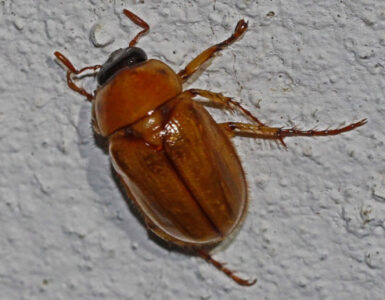



Hello ,i recently purchased this home ,it was late in the season to do any garden work,as i wondered around the yard i noticed in the garden ,beetles!!!!!not just a few but all over the flowers that were left in the garden.It was an infestation, Im assuming they are grubs also ..My question is weather permitting in time for planting as the season approaches i want to make an herb garden ,how do i get rid of the beetles im sure they are dormant over the winter .
Bernice, please identify before you nullify! Many beneficial insects look like bad guys. Take clear photos, or get a sample and ask a Master Gardener or local Agriculture Department to identify. Then, if it is a pest, use least toxic methods.
Can you please make this useful article copiable and printable …
Hello, I am currently growing squash in our garden this year and one of the plants seems to be wilting but not turning yellow in color. Is there something I can do to revive the plant?