

 Sasha Campbell
Some ant species can be harmful to your garden and home. For example, leafcutter ants and fire ants can cause damage to plants, and carpenter ants can cause structural damage to your home [1].
Fortunately, there are many natural ways to kill ants in garden soil, eliminate ant colonies, and control ants indoors and outdoors. These methods let you avoid using harsh chemicals.
How to Get Rid of Ants Naturally
Below are some of the best home remedies and organic methods to solve an ant problem.
1. Lemon Juice
Spray lemon juice wherever you see the pests. You can also place lemon slices near entrances and windows to keep ants away.
The strong scent and acidity of lemon juice may temporarily disrupt ant scent trails, making it harder for ants to navigate. However, it is usually a short-term deterrent and often requires repeated applications.
2. Cinnamon Oil
Cinnamon bark oil is a powerful repellent for certain pests, including ants. You can buy it at most health food stores or online.
Mix a few drops of the oil with water in a spray bottle. Next, apply the solution to areas where you’ve seen ants.
3. Peppermint Oil
The smell of peppermint oil will also keep ants at bay.
To use peppermint oil to repel ants, mix 15 drops with 2 cups of water, then pour it into a spray bottle. Next, spray around the areas you want to protect.
You can also add a few drops to a bucket of water and pour it around your foundation.
Concentrated peppermint oil can damage sensitive plants if applied directly. Always dilute it and test it on a small area first.
4. Cedar Mulch
Cedar mulch is often used in gardens to help deter ants and other pests. It contains natural oils and aromatic compounds that many insects find unpleasant [2].
Apply a layer of cedar mulch around flower beds, vegetable gardens, trees, shrubs, and other areas where ant activity is common. In addition to helping discourage ants, cedar mulch can improve soil moisture retention and suppress weeds.
While cedar mulch will not eliminate an established ant colony, it may help reduce ant activity. It may also make your garden less attractive to these pests when used as part of a broader ant-control strategy.
5. Boiling Water
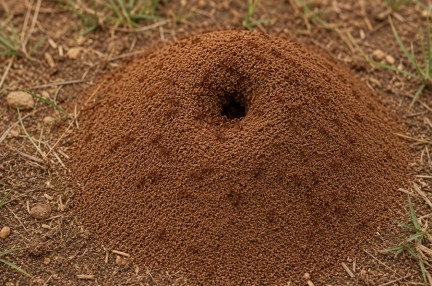
One of the cheapest home remedies to eliminate ants outdoors is to boil a pot of water and pour it over the anthill.
However, be careful not to get too close, as the hot water can cause severe burns. Boiling water will also kill any plants and grass it comes into contact with.
Hot water is an excellent DIY remedy if you have only a few ant hills in your garden. It’s also one of the quickest methods, perfect for a quick fix.
6. Diatomaceous Earth
Diatomaceous earth has an abrasive texture. When ants crawl over it, the tiny particles damage the ants’ protective outer coating, causing them to lose moisture and dehydrate.
DE also works great for organically killing other garden pests. You can buy this natural ant killer at most garden stores or online.
To use it, sprinkle it around the entrances to your home or garden where you’ve seen ants crawling.
This is an excellent option if you’re trying to kill ants in garden soil, although it works best when the soil surface is dry.
7. Cucumber Peel
Some gardeners report that cucumber peels help deter ants. However, scientific evidence supporting this remedy is limited.
So if you have an ant problem, place some cucumber peels around your house and vegetable garden and see if it works.
8. Orange Oil
Orange oil contains d-limonene, a natural compound from citrus peels. It can be toxic to ants and may kill them on direct contact [3].
Mix 1 tablespoon of orange oil with a teaspoon of liquid soap and 1 quart of water. Spray it directly on ants, trails, and nest entrances.
This remedy can help control ants both indoors and outdoors. It may also quickly reduce their activity when applied directly to their nests.
9. Boric Acid Bait
Boric acid is similar to borax, but it is often used in commercial ant baits. It is highly effective at eliminating ant colonies.
Mix 1 teaspoon of boric acid with ½ cup of sugar and 2 cups of warm water. Soak cotton balls in the solution and place them near ant trails or nest entrances.
Worker ants carry the bait back to the colony, where it can eventually kill other ants and help reduce the entire population. Keep boric acid away from children and pets.
10. Coffee Grounds
Used coffee grounds may help discourage ants in some situations due to their strong odor, but results vary.
Sprinkle some near where they enter your home and around the bases of your plants.
11. Fresh Mint Leaves
Many ant species dislike the strong scent of mint. Therefore, place fresh mint leaves around entry points, garden beds, patios, and other areas where ants are active.
You can also crush the leaves to release more of their natural oils. While mint is primarily a repellent rather than a killer, it can be a useful addition to a natural ant-control strategy.
12. Vinegar
Vinegar is most effective for disrupting scent trails and temporarily repelling ants. However, it is less effective as a colony control method.
Spray white vinegar directly on ant hills or use it to wipe down kitchen countertops and cupboards.
13. Cayenne Pepper
Cayenne pepper is another home remedy for naturally getting rid of ants (big and small). Sprinkle the powder in areas where the critters might enter your home.
The strong compounds in cayenne pepper may irritate ants and disrupt their scent trails, encouraging them to avoid treated areas.
14. Citrus Peels
Citrus peels may help repel ants because of their strong scent and natural oils.
To make a homemade ant repellent using citrus peels, let the peels from oranges, grapefruits, or lemons dry for a few days.
Next, grind them into a powder and sprinkle them on the ground around the plants to act as a protective barrier. This remedy will keep ants away without harming them.
15. Tea Tree Oil
Tea tree oil is another home remedy that may fix an ant problem. Some gardeners use it as a natural repellent for ants, including leafcutter ants [4].
Add 10-15 drops of tea tree oil to water, then spray it on the entry points leading to your farm and house.
16. Clove Oil
Clove oil repels ants. As such, you can make a natural ant spray by mixing 30 drops of clove oil with a quart of water.
Spray the solution on ant trails, nest entrances, and other areas where ants are active.
17. Bay Leaves
Bay leaves may help discourage ants from entering treated areas, although results vary. Crush and sprinkle a few leaves around.
18. Garlic
Use garlic to repel garden pests.
Most pests dislike the smell and will avoid it. As a result, place a couple of raw garlic cloves wherever the pests are most active.
You can also make a homemade ant spray by blending one head of garlic with 4 cups of water. Next, add two tablespoons of liquid soap and steep the mixture overnight.
Finally, strain the solution and spray it on your plants.
19. Chili Powder
Chili powder works great for getting rid of little black ants in your house. It may irritate ants and disrupt their trails, encouraging them to avoid treated areas.
Alternatively, make a spray by combining two teaspoons of chili powder with a quart of water. Shake well, then spray the critters.
20. Flour
Some people use flour as a physical barrier, but there is little scientific evidence that it consistently stops ants.
To give it a try, sprinkle flour in a line around your vegetable beds and around plant pots.
21. Soap and Water
You can make a homemade ant killer solution for your yard or garden using 1 part liquid soap and 2 parts water.
Shake well and spray the pests directly and the areas where they frequent. Soapy water damages the protective outer coating of insects, causing dehydration and death.
Soapy water mixed with some neem oil also works great against leafcutter ants (bachacs) on your plants.
22. Salt
Saltwater may kill ants on contact and can discourage activity in treated areas, but it usually does not eliminate entire colonies.
To try this DIY remedy, dissolve some salt in hot water and spray it.
23. Find and Eliminate the Food Source
Natural repellents often work best when combined with good sanitation practices.
Therefore, clean up spilled food and store pet food properly. Also, seal garbage containers and trim vegetation touching your home.
Removing food sources can also significantly reduce ant activity.
24. Sticky Barriers
Sticky barriers can help prevent ants from climbing trees, shrubs, raised garden beds, and other structures. They are especially useful when ants are protecting aphids, scale insects, or mealybugs that produce honeydew.
To use a sticky barrier, wrap a band of tape, tree wrap, or another protective material around the trunk or support structure. Next, apply a sticky pest-control product to the barrier.
As ants attempt to cross, they become trapped or are forced to turn back.
While sticky barriers won’t eliminate an entire ant colony, they can effectively help control ants outdoors. Additionally, they protect vulnerable plants from damage caused by pests that ants farm.
25. Chalk Barriers
Some gardeners use chalk as a simple, non-toxic way to deter ants. Draw a thick line of chalk around plant containers, windows, doorways, or other areas where ants frequently travel.
Although scientists are not entirely sure why chalk sometimes works, it may disrupt the ants’ scent trails or create a barrier they are reluctant to cross.
Keep in mind that chalk barriers serve as a temporary deterrent. They are not a reliable method for killing ants.
Rain, irrigation, and foot traffic can quickly remove the chalk, so it may need to be reapplied regularly. For best results, use chalk alongside other methods to control ants indoors and outdoors.
Organic Store-Bought Products
You can purchase organic ant control products if you are not into home remedies. These are among the best:
- Monterey Garden Insect Spray is a natural ant spray that contains spinosad. It may help reduce ant populations when applied according to label directions.
- Garlic Barrier AG+ is another product you can use to repel tiny ants. Garlic Barrier AG+ is commonly used as a natural repellent to help deter ants and other pests.
- Essentria IC Pro is a botanical oil blend that forms a potent insecticide.
- BONIDE® Insecticidal SUPER Soap is a multi-purpose, non-toxic pest control spray containing spinosad. It works well as a natural ant deterrent.
Frequently Asked Questions
Still have questions about natural ant control? Below are answers to some of the most common questions gardeners ask.
What is the fastest natural way to get rid of ants?
Boiling water is often the fastest natural method for ant hills outdoors.
Pouring hot water directly into a small nest may reduce activity almost immediately. However, large colonies may require repeated treatments.
Can I kill ants overnight naturally?
Some natural remedies, such as boric acid bait, orange oil, or boiling water, may kill many ants overnight. Complete colony elimination usually takes longer.
What kills ants in garden soil?
Food-grade diatomaceous earth, boiling water, boric acid bait, and orange oil are popular natural methods for killing ants in garden soil.
Multiple treatments may be necessary for large colonies.
What Is the Best Way to Control Ants Indoors and Outdoors?
A mix of sanitation, sealing entry points, and removing food sources often yields the best results.
Additionally, using natural repellents like peppermint oil, vinegar, cinnamon oil, or diatomaceous earth can enhance effectiveness.
Does vinegar kill ants?
Vinegar may kill some ants on direct contact. However, it is primarily used to disrupt scent trails and repel ants from treated areas.
What attracts ants to a garden?
Ants are often attracted to sugary honeydew produced by aphids, mealybugs, and scale insects.
They may also nest in dry, loose soil and areas with easy access to food and water.
Are ants good for the garden?
Many ant species are beneficial because they aerate the soil, recycle organic matter, and help with seed dispersal. However, some species can damage plants, protect sap-sucking pests, or become a nuisance around the home.
Should I kill ants in my garden?
Not always. Many ant species help aerate the soil, recycle organic matter, and disperse seeds.
However, control may be necessary when ants damage plants, protect aphids, invade your home, or create large nests in lawns and garden beds.
How long does it take for boric acid bait to work?
Boric acid bait usually starts reducing ant numbers within a few days, but it can take one to two weeks to significantly impact the colony.
Do coffee grounds keep ants away?
Used coffee grounds may help discourage ants because of their strong odor, but results vary. They are generally more effective as a deterrent than as a method for eliminating an ant colony.
Why do ants keep coming back?
Ants often return when food, water, or shelter remains available.
Removing attractants and treating nests usually provides better long-term control than repellents alone.
Takeaway
These common insects are a concern for many gardeners. Some bite and sting, build nests in lawns, or become a nuisance in your kitchen.
A combination of the above repellents, baits, barriers, and sanitation practices can help control ants indoors and outdoors.
While some methods can reduce ant activity overnight, larger colonies usually require repeated treatments. Patience is crucial for achieving long-term control.




[…] for branches that touch nearby plants or other surfaces and give ants another route onto the rose. If you can move or trim those branches without harming the plants, doing so may help […]