

 Sasha Campbell
Planting a fruit tree is exciting. You may picture yourself picking fresh apples, peaches, mangoes, or oranges from your yard. However, most fruit trees need time to grow before they produce their first crop.
So, how long do fruit trees take to bear fruit? Many nursery-grown fruit trees begin producing within two to five years after planting.
Fast-growing plants, such as papaya, may bear fruit in less than one year. Other trees may take seven years or longer. Choosing fast-bearing fruit trees can help you enjoy your first harvest sooner.
The exact waiting time depends on the type of tree, its age, and how it was grown. The variety, rootstock, climate, pollination, and care can also affect when fruit appears.
How Long Does It Take for a Fruit Tree to Produce Fruit?
The times below begin when you plant a healthy young tree or plant from a nursery.
Many nursery fruit trees are grafted, budded, layered, or grown from cuttings. For most tree fruits, plants started from seed take much longer to bear.
Popular Fruit Trees and How Long They Take to Bear Fruit
The times below begin when you plant a healthy young tree from a nursery. Trees grown from seed often take much longer.
- Apple, dwarf or semi-dwarf: 2–5 years
- Apple, standard-size: 4–8 years
- Avocado, grafted: 3–4 years
- Sour cherry: 3–5 years
- Sweet cherry: 5–7 years
- Fig, grown from a cutting: 1–3 years
- Grapefruit, grafted: 3–6 years
- Guava, grafted or layered: 2–4 years
- Lemon, grafted: 2–3 years
- Lime, grafted: 2–3 years
- Mango, grafted: 3–5 years
- Orange, grafted: 3–5 years
- Papaya: 7–12 months
- Peach: 3–4 years
- Pear: 4–6 years
- Plum: 3–6 years
- Pomegranate: 2–4 years
- Soursop: 3–5 years
These are average times, not firm promises. A tree may bear fruit sooner or later. Its variety, age, climate, health, and growing conditions can all affect the waiting time.
The first harvest may also be small. A young tree may produce only a few fruits before it is ready to give a larger crop.
How Long Do Apple Trees Take to Bear Fruit?
Dwarf apple trees may begin bearing fruit two to three years after planting. Semi-dwarf apple trees may need two to five years. A standard-size apple tree may take four to eight years.
Dwarf and semi-dwarf trees usually produce sooner because of the rootstock on which they are grown. Oregon State University reports that dwarf and semi-dwarf apple trees may produce fruit within two to three years under suitable growing conditions [1].
Most apple trees produce better crops when another compatible apple variety grows nearby. The two trees must bloom at about the same time so bees can carry pollen between their flowers.
Apple trees also need a certain amount of cold weather each year. If you live in a warm area, choose a low-chill apple variety that is suited to your climate.
How Long Do Citrus Trees Take to Bear Fruit?
Grafted lemon and lime trees may produce their first fruit about two to three years after planting. Grafted orange trees often need three to five years. Grapefruit trees may take three to six years.
The exact waiting time depends partly on the age of the nursery tree. An older tree may already be mature enough to flower when you buy it. However, flowering does not always lead to a useful crop during the first year.
Citrus trees grow best in a warm, sunny place. They also need soil that drains well. Wet soil can harm their roots and lead to disease.
A young citrus tree may form a few flowers or fruits during its first year. If a very small or weak tree carries many fruits, removing some of them may help the tree grow stronger.
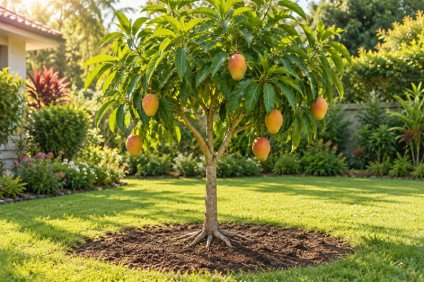
How Long Do Mango Trees Take to Bear Fruit?
A grafted mango tree usually begins bearing fruit three to five years after planting [2].
Some healthy grafted mango trees may form fruit sooner. However, a very small or weak tree may not be ready to carry a large crop.
A mango grown from seed may take about ten years to bear fruit. Some may produce sooner, while others may take longer. Seed-grown mango trees may not produce the same type of fruit as the parent tree. The fruit can have a different taste, size, color, or amount of fiber.
A grafted tree is a better choice when you want fruit sooner. It also gives you a better idea of what kind of mango the tree will produce.
Mango trees need plenty of sunlight, warm weather, and good drainage. Water standing around the roots can lead to disease.
How Long Do Avocado Trees Take to Bear Fruit?
A grafted avocado tree may begin producing fruit about three to four years after planting [3].
An avocado tree grown from seed may take five to thirteen years or longer. Some seed-grown trees may never give a good crop. Their fruit may also be different from the avocado that provided the seed.
An avocado tree can flower without setting much fruit. Its flowers open in an unusual pattern. Having a second compatible variety nearby may improve pollination, but it does not always guarantee a larger crop.
Weather, bees, variety, and tree health also affect fruit production.
How Long Do Peach, Plum, Pear, and Cherry Trees Take?
Peach trees often begin bearing fruit three to four years after planting. Plum trees may need three to six years.
Pear trees commonly begin producing in four to six years. Sour cherry trees may bear fruit in three to five years. Sweet cherry trees often need five to seven years [4].
Many pear, plum, and sweet cherry varieties need another compatible variety nearby. The second tree helps with pollination. Check the plant label before buying a tree to learn whether it needs a pollination partner.
These fruit trees also need winter cold to flower and bear well. Gardeners in warm areas should look for low-chill varieties that suit their climate.
Which Are the Best Fast-Bearing Fruit Trees?
Some of the best fast-bearing fruit trees and plants are papaya, fig, grafted citrus, pomegranate, peach, and guava. When grown in the right conditions, they may begin producing within a few months to four years.
Papaya plants may bear fruit seven to twelve months after planting in warm weather. Texas A&M reports that well-tended papayas can produce fruit within one year of planting [5].
Although people call papaya a tree, it is a large, fast-growing herb. Papayas need warmth, full sun, and soil that drains quickly. Cold weather and wet roots can damage them.
Fig trees grown from cuttings may produce a few fruits within one to three years. Pomegranates may start bearing in two to four years. Grafted or layered guava plants often begin producing within two to four years.
An early crop does not mean the plant has reached full production. Most plants need more time before they give large and steady harvests.
Grafted Trees vs. Trees Grown From Seed
How a fruit tree was started can make a big difference in its bearing time.
A grafted tree is made by joining a shoot or bud from a known fruit variety to another plant’s root system. The top part is called the scion. The bottom part is called the rootstock.
Because the scion comes from a mature tree, a grafted tree usually bears sooner than a seed-grown tree.
Grafting also gives you a better idea of what type of fruit the tree will produce. For example, a grafted mango should produce the same variety named on its label.
A seed-grown tree begins as a new plant. It must pass through a young stage before it is ready to flower. Its fruit may not look or taste like the fruit from which the seed came.
If you want fruit sooner, buy a healthy grafted or budded tree from a trusted nursery.
What Can Delay Fruit Production?
Even a tree that is old enough may fail to produce. Too little sunlight is one common cause. Poor soil, wet roots, too little water, and damage from pests or disease can also delay fruit.
Too much nitrogen fertilizer can make a tree grow many green leaves but few flowers. A soil test can help you learn which nutrients are missing before you add fertilizer.
Heavy or incorrect pruning can remove branches and buds that would have produced fruit. Frost and strong winds can also damage flowers before fruit begins to form.
Some trees need a compatible pollination partner. Without one, the tree may flower but produce little or no fruit. A variety that does not suit the local climate may also struggle to bear.
How to Help Fruit Trees Bear Sooner
Choose a fruit variety that grows well in your climate. A tree that cannot handle your winters, summer heat, or amount of rain may never produce well.
Plant the tree in a sunny spot with soil that drains freely. Most fruit trees need at least six hours of direct sunlight each day.
Water the tree deeply during dry periods, especially while it is becoming established. Add mulch around the root area to hold moisture and control weeds. Keep the mulch several inches away from the trunk.
Prune only when needed. Too much pruning can remove branches or buds that would have produced flowers and fruit.
Do not give the tree too much fertilizer. More fertilizer will not always make a tree bear sooner. Too much nitrogen can cause fast leaf growth while reducing flower and fruit production.
If the tree needs cross-pollination, plant a suitable partner close enough for bees to visit both trees.
Be Patient With Your Young Fruit Tree
Even fast-bearing fruit trees need proper care. Good soil, enough sunlight, water when needed, and suitable pollination can help them grow well. However, no tree is guaranteed to produce within an exact number of years.
Fruit trees do not normally give a full harvest right away. A young tree may grow for several years before its first flowers appear. Its first crop may contain only a few fruits.
Good care during these early years helps the tree form strong roots and branches. In time, that healthy growth can support larger and more reliable harvests.
Before buying a fruit tree, check whether it is grafted, how old it is, and whether it needs another variety for pollination. These details will give you a better idea of how long the tree will take to bear fruit.




Add comment