

While some plants can help your broccoli grow better, others can harm it. This article will examine what grows well with broccoli and what to avoid planting near it. Good Companion Plants for Broccoli Below is a list of...
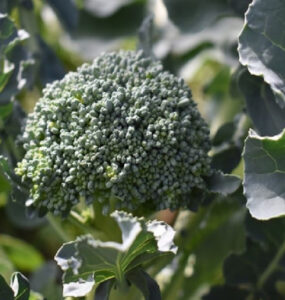
While some plants can help your broccoli grow better, others can harm it. This article will examine what grows well with broccoli and what to avoid planting near it. Good Companion Plants for Broccoli Below is a list of...
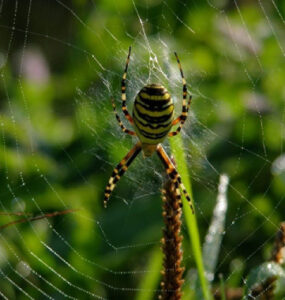
Anyone here seen Charlotte’s Web? Do you remember them stressing how beneficial spiders are to us and our world? That isn’t a joke; they are quite helpful, especially the yellow garden spider (Argiope...
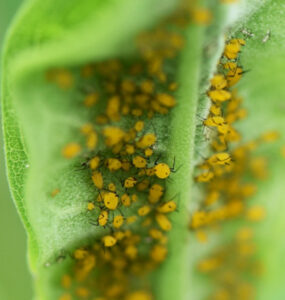
There are many solutions available for dealing with pests, ranging from pesticides to nontoxic compounds to even substances you probably already have in your home.
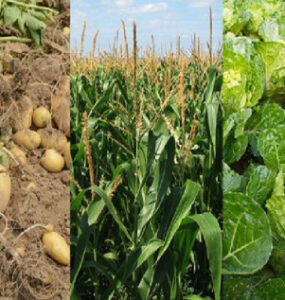
If you are a beginner gardener, you may have heard of the term “crop rotation,” or you may already be practicing it. This simple gardening practice can improve soil health, reduce pest problems, and help you...
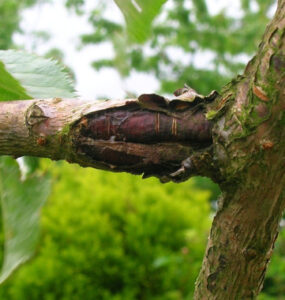
This article helps you sort through organic treatments and home remedies for plant diseases. Infectious plant diseases are caused by pathogenic organisms such as bacteria, viruses, and nematodes [1]. Fortunately, there...
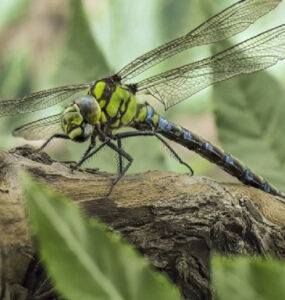
Dragonflies can provide many benefits in the garden, and it doesn’t take much to attract them. They are some of nature’s most skilled insect hunters [1]. They eat mosquitoes, gnats, flies, leafhoppers...
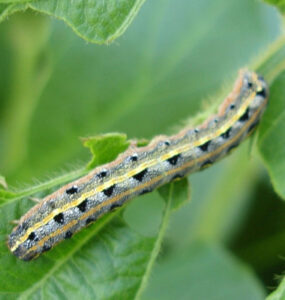
Armyworms are the caterpillars of several kinds of moths. They get their name because large groups may move across fields or lawns while looking for food. A few armyworms may cause little damage. However, a large group...
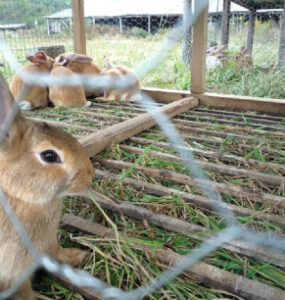
If you’re interested in commercial rabbit farming or cuniculture, this article might help. For many people, rabbits are small, quiet, docile pets given to their children to teach them responsibility. But, for...

Below are some basic things you need to know to grow parsnips at home. Parsnip is a member of the parsley family (Apiaceae) [1], which includes carrots, dill, fennel, parsley, and other plants. They’re a bit...
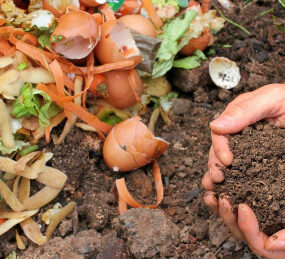
Natural fertilizers are a simple and eco-friendly way to nourish your plants. They also improve the health of your soil. Many natural fertilizers release nutrients slowly and help improve soil health over time [1]...
 Sasha Campbell
 Andre Campbell