

 Sasha Campbell
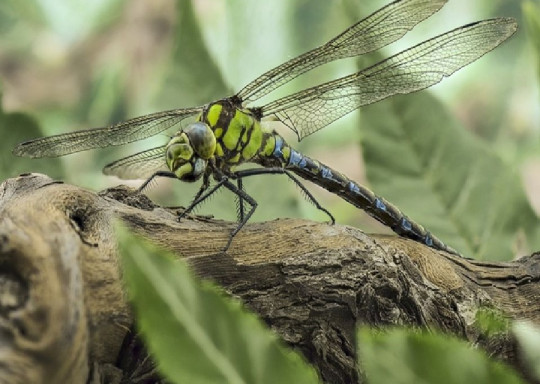
Dragonflies can provide many benefits in the garden, and it doesn’t take much to attract them.
They are some of nature’s most skilled insect hunters [1]. They eat mosquitoes, gnats, flies, leafhoppers, moths, and many other small insects.
This makes dragonflies helpful visitors in gardens, farms, and other places where plants are grown.
If you’re an avid gardener, you’ll probably be happy to see these beautiful insect hunters visiting your yard.
Below, we’ll discuss the role of dragonflies, how to attract them, their garden benefits, and some unique facts.
Life Cycle
The dragonfly goes through a three-stage life cycle called incomplete metamorphosis. This cycle includes the egg, nymph, and adult stages.
Depending on the species, the life cycle may last from several months to up to five years. Most of this time is spent in the nymph stage, when the dragonfly is young and wingless.
Nymphs live in ponds, marshes, and other calm freshwater habitats. They may remain in that stage for up to 4 years.
Benefits of Dragonflies in the Garden
If you hate mosquitoes, you’ll probably love dragonflies. They play an important role in the garden and around the house.
Mosquitoes are one of the many insects dragonflies eat [2]. They also feed on gnats, flies, midges, moths, leafhoppers, and many other flying insects.
This is especially helpful since many of the insects they like to eat are pests of vegetables and other plants.
Dragonflies have huge eyes that help them spot tiny flying insects. They can quickly catch them in midair.
A healthy dragonfly population can help reduce the numbers of mosquitoes and other flying insects. However, they won’t completely eliminate pest problems.
How to Attract Dragonflies
Here’s what you can do to attract more dragonflies:
1. Water
If you want to attract dragonflies to your yard and garden, your best bet is to have water nearby. Whether it’s a small pond, water garden, or another water feature, having water nearby can help attract dragonflies.
It gives dragonflies a safe place to lay their eggs. However, don’t remove every leaf or aquatic plant. Dragonflies need natural vegetation to hide, rest, and lay eggs.
Dragonflies are often spotted near ponds, marshes, and wetlands. They also like slow-moving streams and other freshwater areas with aquatic plants.
Therefore, allow some natural plant material and aquatic vegetation to remain in the pond or water feature. You can place bamboo stakes, reeds, or other tall sticks near the water so dragonflies have places to rest.
No Pond? No Problem
You may not have a pond nearby, but that’s okay. Many dragonfly species can fly long distances, so you may still see them visiting your yard.
You can also create a small, manageable water source. A pond with a mix of shallow water, deeper areas, and aquatic plants can provide a good habitat for dragonflies.
However, small containers, such as birdbaths and rain barrels, usually do not provide enough space or the right conditions for most dragonfly species to complete their life cycle.
2. Mosquitoes and Other Insects
Dragonfly nymphs eat mosquito larvae in water, while adult dragonflies feed on flying mosquitoes and other insects.
However, you should not add standing water just to attract mosquitoes. A poorly managed water feature can create a mosquito problem before dragonflies arrive.
Instead, create a healthy pond with aquatic plants and suitable habitat. Dragonflies may visit when there is suitable water and enough flying insects for them to hunt.
3. Provide Perches
Dragonflies need places to rest while they hunt.
Add tall plants, reeds, bamboo stakes, or small branches near your pond. These give dragonflies places to land and watch for flying insects.
4. Flowers
Flowers can also help make your yard more attractive to dragonflies. They may attract small insects that dragonflies eat and provide places for other insects to live.
Plants such as Joe-Pye weed, black-eyed Susan, yarrow, borage, and coneflowers can help create a more wildlife-friendly garden.
Some dragonfly species may be attracted to certain colors, including blue. However, suitable water and habitat are usually more important than flower color.
Dragonfly Species
There are thousands of dragonfly species around the world [3].
Dragonflies live in many parts of the world. Tropical and subtropical regions have many different species.
They are often mistaken for damselflies.
What Do They Eat?
Their diets mainly consist of flying insects. These include mosquitoes, flies, moths, midges, butterflies, and even baby dragonflies.
Where Do They Live?
Dragonflies live on every continent except Antarctica [4].
Habitat varies depending on which stage they’re in. They spend most of their lives in the water as nymphs.
After this stage, they mature into adults. This adult stage usually lasts from a few weeks to several months, depending on the species.
Adult dragonflies are often found near wetlands, ponds, streams, and other freshwater habitats. Some may also travel far from water while hunting.
Interesting Facts
Dragonflies belong to the suborder Anisoptera within the order Odonata.
They are often found near ponds, lakes, streams, marshes, and other freshwater habitats. They are known for their colorful bodies and clear, shimmering wings.
These insects are often considered beneficial because they help control many other insects, including some garden pests.
Dragonfly nymphs catch prey with a special lower jaw that shoots forward very quickly.
After emerging as adults, dragonflies leave the water and spend the rest of their lives hunting, mating, and reproducing.
In some studies, dragonflies have caught up to 95% of the prey they pursue [5]. This makes them some of the most successful hunters in the animal kingdom.
Many dragonflies need clean freshwater to complete their life cycle. Their presence can provide clues about the health of a local water habitat.
Dragonflies can fly forward, backward, sideways, up, and down. They can also hover in one place.
Dragonflies are closely related to damselflies. Their large compound eyes give them a very wide field of vision, helping them spot prey while flying.
Unlike damselflies, dragonflies usually hold their wings open when resting.
Protecting Dragonflies
First, provide a pond with a mix of shallow and deeper areas.
Try to avoid sudden changes in water level when possible. A stable pond can provide better conditions for dragonfly nymphs.
Secondly, be careful with insecticides. Using insecticides to control pests may harm dragonflies, drastically reducing their numbers.
Thirdly, avoid adding fish if your goal is to attract dragonflies. Many fish eat dragonfly nymphs before they become adults.
Why Dragonflies Need Our Help
Several North American dragonfly species are considered at risk due to habitat loss, pollution, and wetland degradation [6]. Many of these species depend on small streams and ponds for survival.
Dragonflies are among nature’s best insect hunters. Protecting their habitats helps keep gardens healthier and supports local wildlife.
FAQ
Do dragonflies bite humans?
Rarely. They generally avoid people and are harmless.
Are dragonflies good for vegetable gardens?
Yes. They help reduce populations of mosquitoes, gnats, flies, and other small insects.
What plants attract dragonflies?
Aquatic plants around ponds are especially helpful.
Joe-Pye weed, coneflowers, black-eyed Susans, and yarrow can also help create a wildlife-friendly garden that attracts insects dragonflies eat.
Do dragonflies sting?
No. Dragonflies do not have stingers. They can bite, but they rarely bite people.
Do dragonflies eat mosquitoes?
Yes. Dragonfly nymphs eat mosquito larvae in water, while adult dragonflies prey on flying adult mosquitoes.
How long do dragonflies live?
Dragonflies may live for months or years as aquatic nymphs. Their adult lives usually last from a few weeks to several months.
Takeaway
Dragonflies are among the most beneficial insects a gardener can attract.
By feeding on mosquitoes and other flying insects, dragonflies help create a healthier, more balanced garden.
See also: How to Encourage Lacewings in Your Garden.




Add comment