

Epsom salt is a popular gardening product. Many gardeners use it on tomatoes, roses, peppers, and other plants. Some people say it can make plants grow faster and produce more flowers and fruit. Others say it is not...
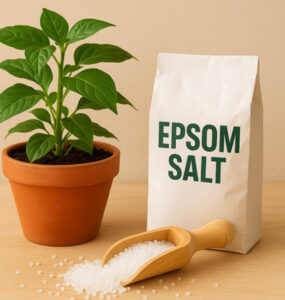
Epsom salt is a popular gardening product. Many gardeners use it on tomatoes, roses, peppers, and other plants. Some people say it can make plants grow faster and produce more flowers and fruit. Others say it is not...
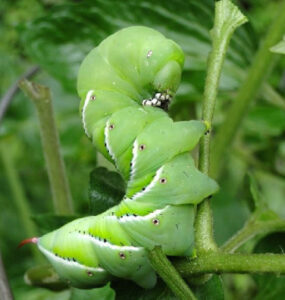
Most people think that caterpillars can’t cause too much damage in a garden. After all, they turn into beautiful butterflies or moths—how bad could they be? Many caterpillars are leaf-eaters that can damage garden...
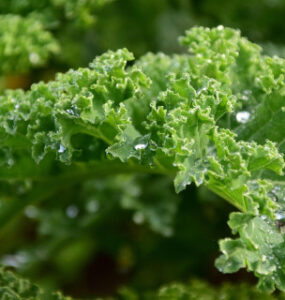
Kale is one of the easiest leafy green vegetables to grow. It grows well in cool weather and can keep producing fresh leaves for weeks. Best of all, kale is packed with nutrients and is easy to cook [1]. Read on to...
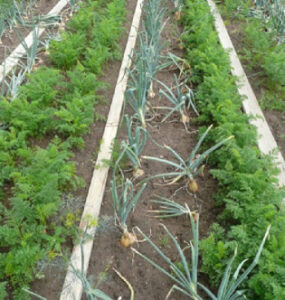
Many gardeners often use companion planting. This technique involves planting different crops together for mutual benefit. This method helps keep pests away from your garden. It also maximizes space, attracts helpful...
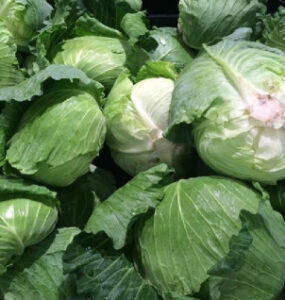
People sometimes wonder if they are getting organic vegetables when buying from a local farmer or a supermarket. Do you know the difference? Any farmer can claim to use organic methods. But can we tell if a fruit or...
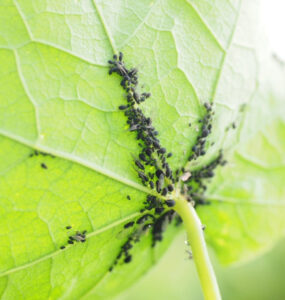
Aphids (sometimes called greenfly or blackfly) feed on plant sap. Many aphids also produce a sticky substance called honeydew, which attracts ants and can lead to sooty mold growth [1]. They are among the most common...
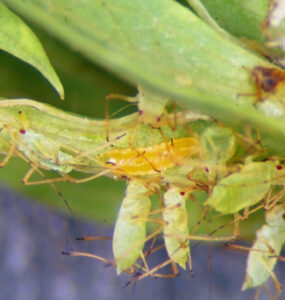
Many people try to get rid of insects in their gardens. But not all insects are bad. Many actually help your plants grow and stay healthy. Some insects pollinate flowers, while others eat harmful garden pests...
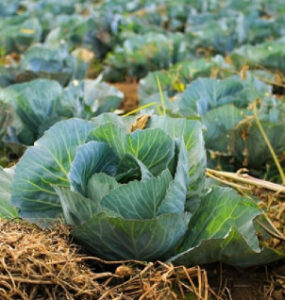
Growing your own organic vegetables is a fun way to enjoy fresh, healthy food. It can also help you save money on some vegetables from the store. With the right planning and care, even beginners can grow plenty of...

Here are five ways your organic vegetables can be washed thoroughly to get rid of worms, bugs and other contaminants. These washes can be made using simple..
 Sasha Campbell