

 Sasha Campbell
Many people try to rid their gardens of insects. However, many of these small creatures can benefit the garden.
Yes, some insects are useful. Some pollinate flowers. Others protect plants from pests.
Therefore, it is essential to recognize which insects are helpful and which are harmful. This way, you will not lose the good ones.
List of Beneficial Insects and Creatures for Your Garden
1. Bees
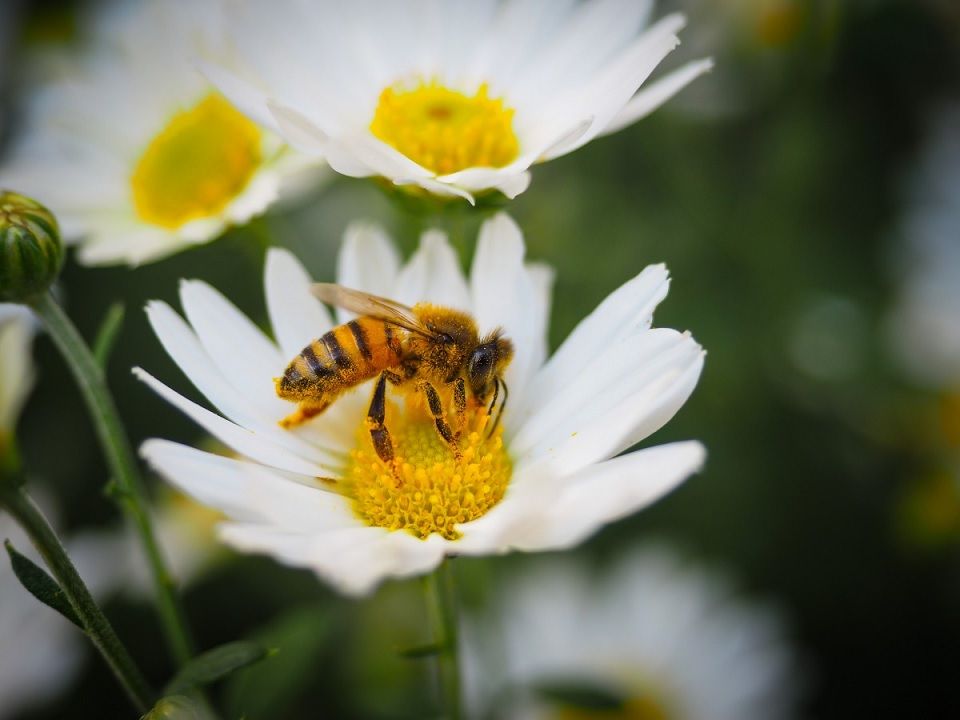
Bees are among the most helpful insects. Many people are terrified of them, but they play a vital role in the growth of many crops.
They are excellent pollinators. Many plants require cross-pollination to thrive, and bees play a crucial role in providing it.
Bright flowers will attract bees. You usually don’t have to do any extraordinary work to get them close.
2. Ladybugs
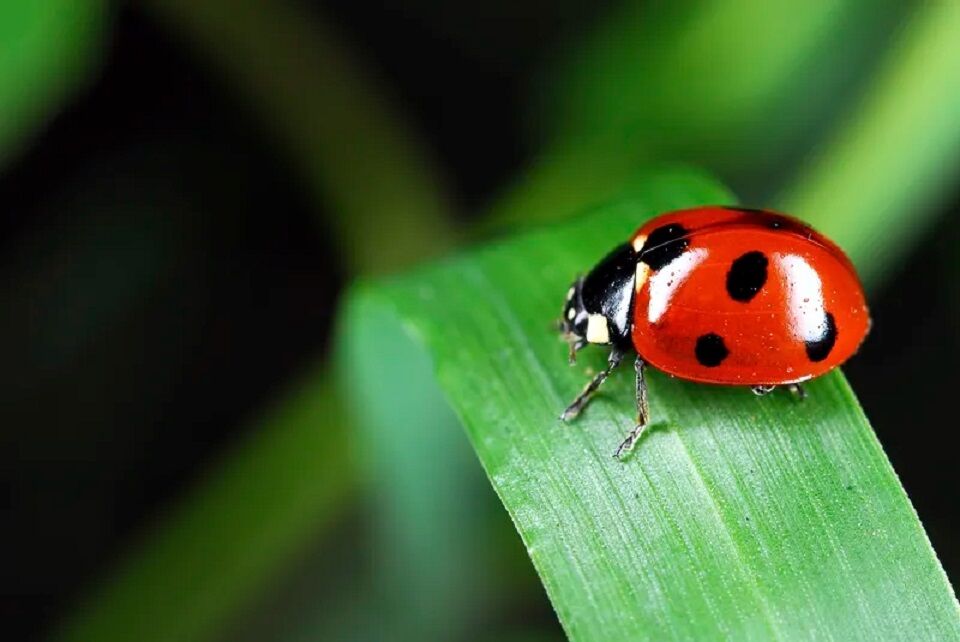
The adult ladybug (the ladybird or lady beetle) eats mealybugs, aphids, and mites. Its larvae eat even more.
These helpful insects are some of the most visible in the garden. They also have many uses, making their visible presence worthwhile.
Plant angelica, fennel, marigolds, coreopsis, yarrow, or dill. They will attract ladybugs to your garden.
3. Earthworms
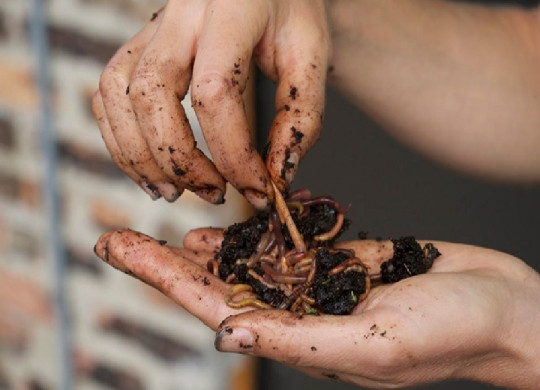
Image: Photo titled “Vermiculture” by John Lodder, available on Flickr, used under a Creative Commons license (some rights reserved)
Earthworms have some tremendous benefits for your soil. How they move through the soil helps create air pockets for plants to breathe.
Moreover, earthworm casts help improve soil fertility [1]. Soil is the foundation of your garden. So, if your soil is healthy, you’re one step closer to having healthy plants.
Earthworms thrive on organic matter, such as decaying leaves, rotten logs, and manure piles. A great way to encourage their presence is to mulch with dried leaves or pine needles.
4. Tachinid Fly
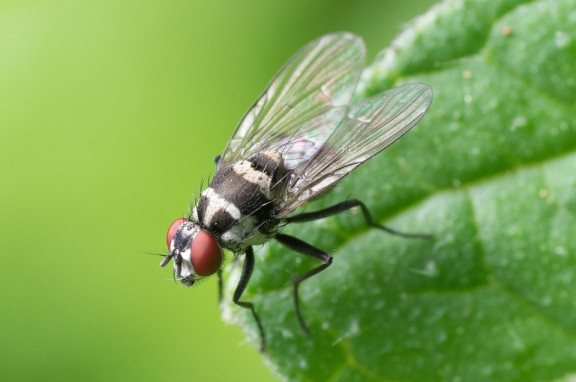
Attract the tachinid fly by planting different herbs, such as parsley or dill.
These beneficial farm insects are small and harmless to your garden, but they have significant potential. The larvae can attack caterpillars and burrow inside, eventually killing them.
Tachinid flies also kill other pests, including grasshoppers and moths.
5. Soldier Beetles
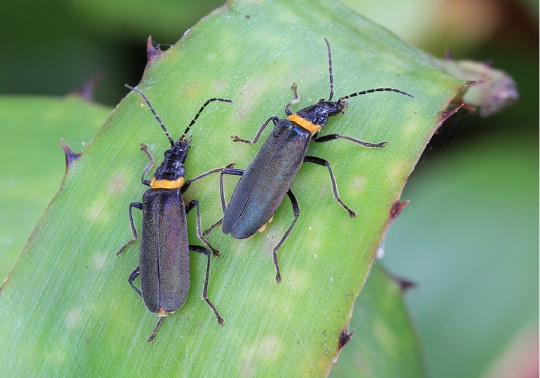
Image credit: “Chauliognathus lugubris, Plague Soldier Beetle, Sydney, Australia” by Stu’s Images, available via Wikimedia Commons, licensed under CC BY-SA 3.0.
These insects eat aphids, caterpillars, and other soft-bodied pests. Soldier beetles also help with pollination [2].
Plant hydrangeas, catnip, and/or goldenrod to attract these good garden beetles.
6. Minute Pirate Bugs
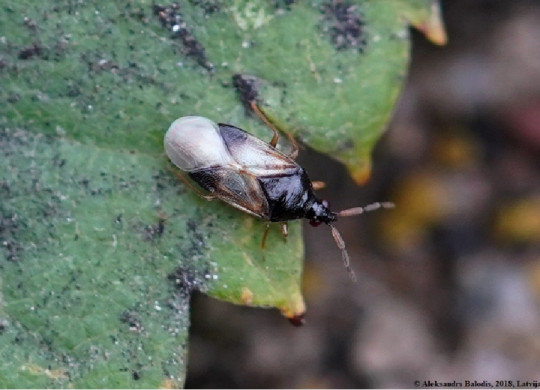
Image attribution: “Orius sp. 02” by AfroBrazilian, available via Wikimedia Commons, licensed under the CC BY-SA 4.0 license.
Minute pirate bugs are great at combating harmful insects. They will go after mites, whiteflies, thrips, and other pests they encounter.
Plant daisies, corn, yarrow, or alfalfa to attract these predatory bugs.
7. Green Lacewing
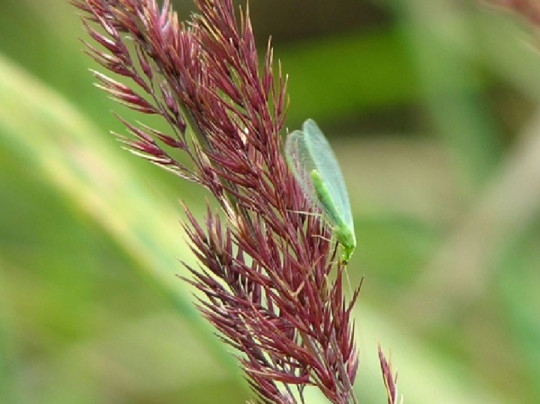
Little red mites overrun many gardens. However, the green lacewing can reduce them.
Green lacewings feed on mites, whiteflies, caterpillars, insect eggs, aphids, thrips, and leafhoppers.
Moreover, you can purchase them online or at some gardening centers.
These beneficial garden insects also work well with other good insects. They do not prey on them.
Plant cosmos, angelica, sweet alyssum, and coreopsis to attract lacewings to your garden.
8. Wasps

A common question asked by many is “Are wasps useful?” Definitely!
If you can get past the stinging capabilities of wasps, they are very valuable to your garden.
They eat many garden pests, including mites, aphids, and caterpillar eggs. Besides, wasps assist in pollination.
Wasps (paper wasps, yellow jackets, European hornets, etc.) eat pests that can harm crops.
If flowering plants are around, you will have plenty of wasps in the area.
9. Damsel Bugs
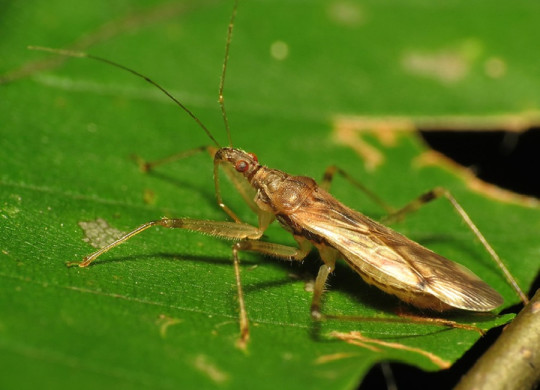
Image attribution: “Damsel Bug – Flickr – treegrow (2)” by Katja Schulz, available via Wikimedia Commons. Originally published on Flickr, licensed under the CC BY 2.0 license.
These are good garden bugs that can eat harmful insects, even those larger than themselves.
Damsel bugs are most helpful in vegetable gardens. They are insects that prey on aphids and other small pests, such as caterpillars and thrips.
These helpful bugs tend to stick around if there are nearby flowering plants.
10. Aphid Midge
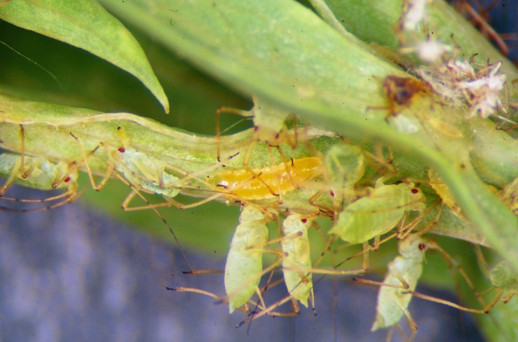
Image: “Predatory Midge” (cropped) by Whitney Cranshaw, Colorado State University, sourced from Invasive.org via Wikimedia Commons, licensed under the CC BY 3.0 US license.
The larvae of these small black flies prey on over 60 species of aphids. They have a very short lifespan but reproduce rapidly.
Pollen and nectar plants can attract them to your garden. Aphid midges are named for their larvae, which eat aphids.
11. Garden Spiders
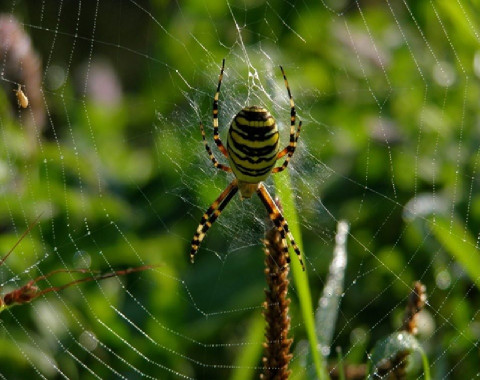
The garden spider that you see around you may not be dangerous. It can help reduce your risk of being bitten by many annoying pests.
Garden spiders create webs that trap flying insects. They trap and eat mosquitoes, flies, moths, and wasps.
These spiders make webs between taller plants. So, plant corn, sunflowers, and other tall plants to attract them.
12. Ground Beetle
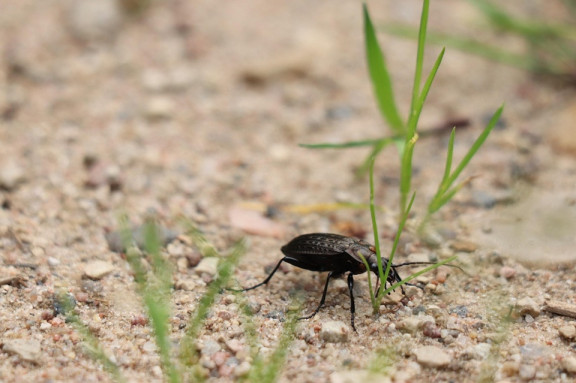
A single ground beetle can consume hundreds of caterpillars [3]. They are most agile at removing pesky critters from the soil.
They aid in combating slugs and snails, wireworms, ants, and even maggots (such as seed corn maggots). These helpful beetles are suitable for the garden because they may also eat weed seeds.
Plant red or white clover to attract and retain these beneficial insects.
13. Dragonfly
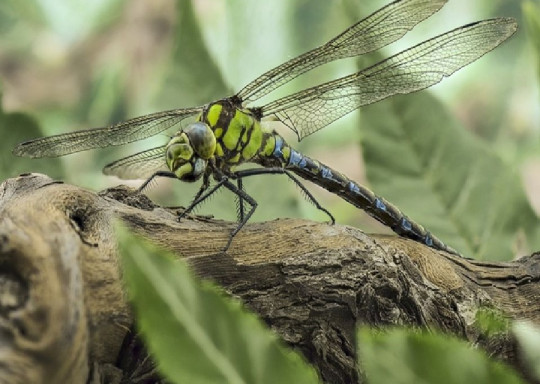
A dragonfly is highly efficient, as it can consume hundreds of mosquitoes daily, which is fantastic. It also targets other pests, such as gnats and biting flies.
Unlike other pests, dragonflies are not creepy. Many people find them beautiful and graceful creatures, so they enjoy their presence.
Place water in or around your garden and yard to attract dragonflies.
14. Braconid Wasp
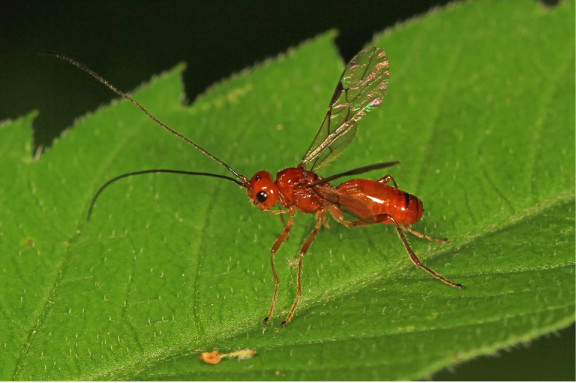
Braconid Wasp (Phaenocarpa Species) — Photo by Judy Gallagher, via Wikimedia Commons, licensed under CC BY 2.0
Braconid wasps are parasitic on small creatures like caterpillars and aphids.
Their larvae feed inside the host pest, eventually killing it. Plant carrots, yarrow, dill, or parsley to attract them.
15. Spined Soldier Bug
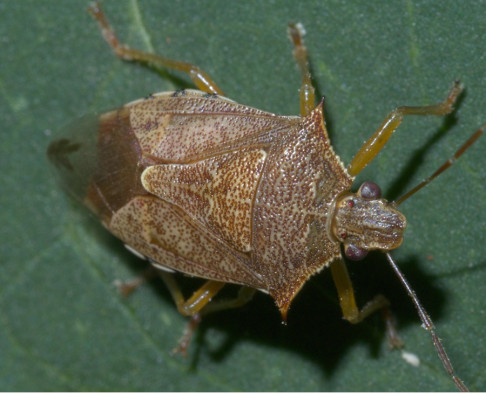
Image credit: “Podisus maculiventris (Spined Soldier Bug)” by xpda (Robert Webster), available via Wikimedia Commons, licensed under CC BY-SA 4.0 license.
Spined soldier bugs are among the bugs that help a garden.
These friendly bugs look like the BMSB. But they have one key difference. They have sharp, acute angles at their shoulders. This feature sets them apart from pesky stink bugs.
In essence, the spined soldier bug is a predatory stink bug. It can help control beetle larvae and hairless caterpillars.
Takeaway
Any organic garden can benefit from having these essential creatures present, as they consume many harmful bugs and insects. Planting flowering plants can help attract these beneficial garden bugs.




Very good information for school projects based on gardens.