

 Andre Campbell
Large numbers of fungus gnat larvae can damage seedlings, young plants, and weak houseplants. The larvae mainly eat fungi and decaying plant material in moist soil. However, they may also feed on plant roots when their numbers are high.
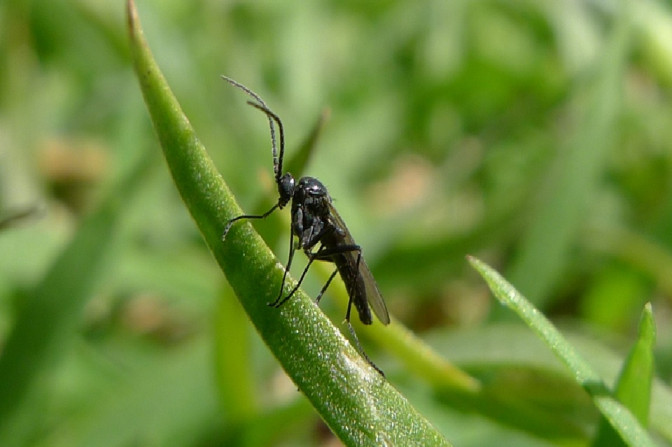
Fungus gnats are small, mosquito-like flies. They are common around houseplants, seedlings, greenhouses, and other plants growing in damp soil.
Adult fungus gnats do not bite or directly damage plants. They are mostly a nuisance. The larvae are the stage most likely to harm plants, especially seedlings and young plants [1].
How to Get Rid of Fungus Gnats Naturally
Below are some natural ways to control fungus gnats.
1. Yellow Sticky Traps
Fungus gnats lay their eggs in moist soil. Sticky traps catch adult fungus gnats and reduce the number of adults that can lay eggs. They can also help you monitor the infestation.
Adult fungus gnats are attracted to yellow. Place yellow sticky traps just above the soil. You can also attach small pieces to sticks placed in the pots.
Sticky traps will not kill larvae in the soil. For better control, combine them with a treatment that targets the larvae.
2. Diatomaceous Earth
Food-grade diatomaceous earth is sometimes suggested for fungus gnats. However, there is limited evidence that it can control an infestation in moist potting soil.
Diatomaceous earth must remain dry to affect insects. Water makes it much less effective.
If you decide to try it, allow the soil surface to dry. Sprinkle a thin layer over the soil. Reapply it after watering if needed.
Avoid breathing in the dust. Only use food-grade diatomaceous earth. Do not use the type made for swimming pool filters.
3. Repot Severely Infested Plants
Repotting can help when a small houseplant has a serious infestation. It removes much of the old soil containing fungus gnat eggs, larvae, and pupae.
Carefully take the plant out of its pot. Remove as much old soil as you safely can without badly damaging the roots. Put the infested soil in a sealed bag and throw it away.
Wash the pot with soap and water before reusing it. Repot the plant in fresh, good-quality potting mix that drains well.
Repotting can stress a plant, so it is not always needed for a mild infestation. It works best when combined with better watering habits and yellow sticky traps.
4. Bacillus thuringiensis israelensis (Bti)
Bti is a bacterium that occurs naturally in soil [2]. When fungus gnat larvae eat Bti, it damages their digestive systems and kills them.
Use a Bti product labeled for fungus gnat larvae. Follow the instructions and apply it to the soil as directed. Some Bti products can also be used against mosquito larvae.
Bti products made for caterpillars will not control fungus gnats. Make sure the label says Bacillus thuringiensis israelensis or Bti.
Repeat treatments may be needed because Bti does not remain active in potting soil forever.
5. Beneficial Nematodes
Certain beneficial nematodes are tiny worms that attack fungus gnat larvae in the soil.
Steinernema feltiae is one of the most effective types for fungus gnats. You can purchase these beneficial nematodes and apply them as a soil treatment.
The soil must remain moist enough for the nematodes to move around. However, it should not be waterlogged.
Apply the nematodes soon after receiving them. Protect them from direct sunlight and follow the storage and temperature directions on the package.
6. Raw Potato Pieces
Raw potato pieces attract fungus gnat larvae. They can help you find out whether larvae are living in the soil.
Cut a raw potato into small chunks or slices. Place the pieces on the soil with the cut sides facing down.
Check under the pieces after two or three days. Remove and throw away any pieces that have larvae beneath them. Replace them with fresh pieces if needed.
Potato pieces can remove a small number of larvae, but they will not control a large infestation by themselves.
7. Predatory Mites
Certain tiny predatory mites feed on fungus gnat larvae in the upper layer of soil. One helpful species is Stratiolaelaps scimitus, which was previously called Hypoaspis miles.
These mites are mainly used in greenhouses, nurseries, seed-starting areas, and large plant collections. They work best when released before fungus gnat numbers become very high.
Predatory mites need some moisture in the soil to survive. Follow the supplier’s directions carefully. They may not be practical for someone with only one or two houseplants.
8. Remove Decaying Plant Material
Fungus gnat larvae feed on fungi and decaying organic material in moist soil.
Remove fallen leaves, dead flowers, and other plant material from the soil surface. Clean up spilled potting soil around your plants as well.
Do not add unfinished compost, fresh manure, or other decaying material to indoor plant pots. These materials may provide food and breeding places for fungus gnats.
9. Coarse Sand or Fine Gravel
A layer of coarse horticultural sand or fine gravel may make the soil surface less inviting for adult fungus gnats to lay eggs. However, this method is not always dependable.
A surface barrier will not kill larvae already living in the soil. It should be combined with better watering habits and a treatment that targets larvae.
Avoid creating a thick, tightly packed layer that may interfere with watering or airflow. Check the soil beneath the covering before watering. The surface may look dry while the soil below it is still wet.
10. Insecticidal Soap
Some ready-made insecticidal soap products may kill adult fungus gnats when the spray directly touches them. However, not every product is labeled for fungus gnats.
Insecticidal soap will not control larvae living in the soil. Check the product label to make sure fungus gnats and your type of plant are listed.
Test the soap on a small part of the plant before spraying the entire plant. Do not use strong dishwashing detergents because they may damage the leaves.
Yellow sticky traps are usually an easier way to catch adult fungus gnats.
11. Let the Soil Surface Dry
One of the best ways to fight fungus gnats is to make the soil less suitable for them. Adult fungus gnats prefer to lay their eggs in moist potting soil.
Allow the upper layer of soil to dry before watering again if the plant can tolerate it. In a large pot, this may be about 1 to 2 inches deep.
Seedling trays and small pots can dry out much faster, so check them carefully. Do not use this method on plants that need constantly moist soil.
Check the soil with your finger before watering. If the upper layer is still damp, wait a little longer.
Do not allow the entire root ball to become severely dry. A badly stressed plant may become weak or damaged.
12. Bottom Watering
Bottom watering may help keep the soil surface drier. This can make the pot less attractive to egg-laying fungus gnats.
Place the plant pot in a shallow tray of water for about 15 to 30 minutes. The soil will absorb water through the drainage holes.
Remove the pot afterward and let the extra water drain away. Do not leave the pot sitting in water longer than needed.
Bottom watering does not always keep the soil surface dry. In some pots, water may soak all the way to the top. Check the surface to see whether this method is helping.
Labeled Products for Fungus Gnats
Natural watering and cleaning methods may not be enough to control a large infestation. The following commercial products may help when their labels list fungus gnats.
Always read and follow the current product label. If you are treating herbs or other edible plants, make sure the plant and its intended use are listed on the label.
13. Molt-X
Molt-X is a botanical pesticide containing azadirachtin. This ingredient comes from neem seeds, but Molt-X is not the same as neem oil.
Azadirachtin interferes with the feeding, growth, and development of young insects. It does not provide the same quick control as a contact spray.
Check the product label to make sure fungus gnats and the type of plant you want to treat are listed. Apply it only as directed.
14. Azera Gardening
Azera Gardening contains azadirachtin and pyrethrins. Pyrethrins come from certain chrysanthemum flowers.
Azadirachtin interferes with insect feeding and growth. Pyrethrins act quickly when insects touch or eat them.
Use Azera Gardening only according to its current label.
Pyrethrins can harm bees and other helpful insects that are directly sprayed. Avoid spraying open flowers or using the product while pollinators are visiting.
15. Bug Buster-O
Monterey Bug Buster-O contains pyrethrins that kill insects on contact.
Fungus gnats are listed on the product label. However, this product can also harm helpful insects.
Follow the label carefully. Wear any protective equipment required by the label. Use the product only on approved plants and in approved locations.
16. Organocide
Organocide 3-in-1 Garden Spray lists fungus gnats among the pests it controls.
Some Organocide products include soil-drench directions for fungus gnats. Follow the directions on the exact product you purchase.
Do not assume that every Organocide product has the same directions. Use only the amount stated on the label.
17. Neem Oil
Neem oil is a plant-based product that can help control some garden pests. However, not every neem oil product is labeled for fungus gnats.
Choose a product that lists fungus gnats and follow its directions. Some products may be used as a soil drench, while others are meant only for spraying plant leaves.
Never pour a neem leaf spray into the soil unless the label gives directions for using it that way. Neem oil is not as well supported for fungus gnat control as moisture management, Bti, or beneficial nematodes.
Fungus Gnat Prevention Tips
- Avoid overwatering your plants.
- Use fresh, good-quality potting mix.
- Choose potting mix that drains well.
- Make sure plant pots have drainage holes.
- Do not leave water standing in saucers or trays.
- Remove dead leaves and decaying plant material from the soil surface.
- Store unused potting mix in a closed container.
- Clean up spilled soil and plant material from shelves and floors.
- Keep heavily infested plants away from healthy plants.
- Keep new plants separate for one to two weeks. Check the soil, sticky traps, and nearby windows for adult gnats before placing the plants near your other plants.
Takeaway
Fungus gnats, also called sciarid flies, are small flies commonly found around moist soil. Their larvae mainly eat fungi and decaying organic material. However, large numbers of larvae may also damage plant roots.
They can affect houseplants, seedlings, greenhouse plants, and other plants growing in wet soil.
Allowing the soil surface to dry between waterings is one of the best ways to help prevent fungus gnat problems. Only do this when the plant can safely tolerate drier soil.
Combining methods usually gives the best results. Let the soil surface dry when possible, use yellow sticky traps to catch adults, and use Bti or Steinernema feltiae nematodes to target larvae.
Repeat treatments according to the product directions because new adult gnats may continue to emerge.

 Sasha Campbell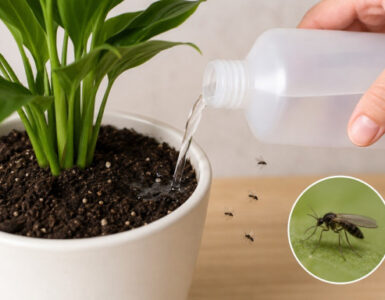



Add comment