

 Sasha Campbell
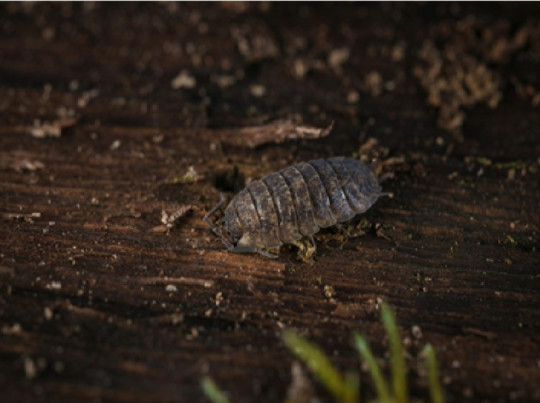
You may ask: Are pill bugs, also known as roly-polies, good to have in the garden?
In most cases, they are helpful. Pill bugs feed on dead leaves, rotting wood, and other decaying plant matter. This helps return nutrients to the soil [1].
However, large numbers of pill bugs may cause problems. They sometimes feed on tender seedlings, new roots, lower leaves, and fruits or vegetables that touch the soil [2].
Pill bugs are not insects. They are crustaceans and are related to crabs and shrimp. They need damp places to survive.
If you often find pill bugs inside your home, look for damp areas and places where they may be entering. Leaking pipes, wet basements, poor drainage, and gaps around doors may attract them.
How to Get Rid of Pill Bugs Naturally
Pill bugs do not bite people, spread known diseases, or damage buildings. However, they can harm young plants and become a nuisance indoors.
You do not need to remove every pill bug from your garden. Focus on lowering their numbers near seedlings and other plants they are damaging.
Here are some natural ways to control them.
1. Reduce Excess Moisture
Pill bugs need moisture to survive. Reducing excess moisture is one of the best ways to control them.
Water your garden early in the morning. This gives the soil surface time to dry before pill bugs become active at night.
Avoid watering more often than your plants need. You can also use drip irrigation to send water close to the roots instead of wetting the whole garden.
Improve drainage in places where water collects. Raised beds may help if the soil stays wet for long periods.
Inside the home, fix leaking pipes and faucets. A fan or dehumidifier may help dry damp basements and other rooms.
2. Remove Damp Hiding Places
Pill bugs hide under boards, stones, pots, garden waste, and thick layers of wet mulch.
Remove items that are not needed. Clear away rotting fruits, dead plants, fallen leaves, and pieces of wood from problem areas.
Mulch is good for the garden, so you do not have to remove all of it. Instead, thin out heavy mulch and pull it several inches away from tender seedlings.
Keeping mulch and garden waste away from the home’s foundation may also stop pill bugs from moving indoors. Moisture control and removing hiding places are among the main methods recommended by the University of California Integrated Pest Management Program [2].
3. Pick Them Up by Hand
Pill bugs are easy to collect because they move slowly and do not bite.
Check the garden early in the morning or after dark. Look under pots, boards, stones, and damp leaves.
Wear gloves and place the bugs in a container. Move them to a compost pile far from young plants, or dispose of them.
Hand collection works best in small gardens and containers.
4. Make a Beer Trap
A shallow beer trap may attract pill bugs.
Place a small plastic cup or bowl in the ground. Keep the rim level with the soil so the bugs can crawl inside.
Pour a small amount of beer into the container. Check it every morning and replace the beer when needed.
Place the trap where children and pets cannot reach it. You can cover it loosely with a small board raised on stones. Leave enough room for pill bugs to enter.
5. Use a Potato or Citrus Trap
Potatoes and citrus peels create damp hiding places that attract pill bugs. These traps make the bugs easier to collect.
Cut a potato in half. Scoop out a small amount of the inside and place the cut side down on the soil.
You can also place orange, grapefruit, or lemon peels face down near damaged plants.
Leave the trap in place overnight. Lift it the next morning and collect the pill bugs underneath it.
Remove or replace the trap each day. Food left in the garden for too long may become another food source for pill bugs.
6. Protect Seedlings With Collars
Seedling collars may help protect tender stems from pill bugs.
Make a collar from cardboard, thick paper, or a plastic cup with the bottom removed. Place it around the seedling and push it about one inch into the soil.
Leave several inches of the collar above the soil. Check that no pill bugs are trapped inside it.
Remove the collar when the plant becomes larger and stronger.
7. Start Seedlings in Pots
Young seedlings are the plants most likely to suffer serious pill bug damage.
Start seeds in pots, trays, or raised containers when possible. Move the plants into the garden after their stems and roots become stronger.
Keep seedling trays raised off damp ground. Check under the trays often because pill bugs may hide there.
Also, remove dead leaves and spilled potting soil from around the trays.
8. Apply Diatomaceous Earth
Food-grade diatomaceous earth may help control pill bugs in dry areas.
Spread a thin layer around seedlings, pots, and places where pill bugs travel. The powder damages their protective outer covering and causes them to dry out.
Diatomaceous earth does not work well after it becomes wet. You may need to apply it again after rain or watering.
Do not breathe the dust. Wear a well-fitting dust mask and follow all safety directions on the package. Avoid placing the powder on flowers, or anywhere bees and other helpful insects may come into contact with it.
Food-grade diatomaceous earth may also help with pill bugs that enter homes. Apply it only in dry places where children and pets will not disturb the powder.
9. Use Raised Beds and Plastic Mulch
Raised beds and planting boxes may make it easier to control soil moisture. They can also keep young plants away from some pill bugs living at ground level.
Plastic mulch provides fewer damp hiding places than straw, wood chips, or other organic mulch. Black plastic mulch may be especially helpful when pill bugs are causing serious damage [2].
However, plastic mulch can make the soil very hot. Check the soil temperature and make sure it is suitable for the crop.
10. Seal Openings Around the Home
Pill bugs usually enter homes through gaps near the ground.
Seal cracks around doors, windows, pipes, and the foundation. Install door sweeps and replace damaged weather stripping.
Move wet mulch, leaves, boards, and flowerpots away from the outside walls. Also, make sure outdoor water drains away from the foundation.
Pill bugs usually die after entering a dry home. You can remove them with a broom or vacuum cleaner. Spraying pesticides indoors is rarely needed.
The University of Minnesota Extension recommends reducing moisture and sealing entry points to control these pests indoors [3].
11. Encourage Natural Predators
Birds, frogs, spiders, lizards, and some other animals eat pill bugs.
A garden with different kinds of plants and small areas of shelter may attract some of these natural predators. Avoid spraying broad pesticides that may kill helpful garden animals.
However, predators may not protect tender seedlings during a large outbreak. Combine this method with moisture control, traps, and seedling collars.
12. Use a Labeled Garden Bait
If other methods do not provide enough control, consider a garden bait containing iron phosphate and spinosad.
Sluggo Plus and Bonide Bug & Slug Killer are labeled to control pill bugs. They also control sowbugs, slugs, snails, earwigs, and certain other pests.
These products are listed for organic gardening, but they are still pesticides. Use them only when needed.
Scatter the pellets evenly around the plants you want to protect. Never place the bait in piles. If the ground is very dry, water it lightly before applying the pellets.
The current Sluggo Plus directions say not to apply it more than three times in any 30-day period. The label also says not to apply it within three days of harvesting an edible crop [4].
Directions may differ between products and can change over time. Always read and follow the label on your container. Store the product out of reach of children and pets.
13. Consider a Plant-Oil Pesticide
Essentria IC-3 is a plant-oil-based pesticide. It contains rosemary oil, peppermint oil, and geraniol.
The product is labeled for controlling pill bugs in certain indoor and outdoor areas. It may be used as a treatment around buildings when mixed and applied according to the label.
This is a concentrated product, so do not guess how much to use. Mix it exactly as directed.
Do not spray it on vegetables, fruits, or other edible plants unless the current label clearly allows that use. Plant-based pesticides can still irritate your skin or eyes. They may also harm some plants if used incorrectly.
How to Prevent Pill Bugs From Returning
After lowering their numbers, take steps to make the area less attractive to them.
Avoid letting the soil remain wet all day and night. Water in the morning and improve drainage where needed.
Remove rotting vegetables and plant waste from problem areas. Keep compost piles away from young garden plants.
Check under pots, boards, stones, and containers. These objects may hold moisture and give pill bugs safe places to hide.
Give seedlings extra protection until their stems and roots become stronger.
FAQ
Are pill bugs harmful to people?
No. Pill bugs do not bite, sting, or spread known diseases to people. They may be a nuisance indoors, but they do not damage wood, clothing, food, or a home’s structure.
Are pill bugs good for compost?
Yes. Pill bugs help break down dead leaves and other plant matter. They can be useful in a compost pile.
Keep the compost pile away from tender seedlings so large numbers of pill bugs do not move into the garden bed.
Will soapy water kill pill bugs?
Soapy water may kill some pill bugs when sprayed directly on them. However, it is not a dependable long-term treatment.
Strong soap mixtures may also burn plant leaves. Reducing moisture and hiding places is usually safer and more effective.
Can cornmeal kill pill bugs?
There is very little scientific evidence that cornmeal kills pill bugs. This claim is more folklore than proven pest control.
Cornmeal and other food left in the garden may also attract animals or become moldy.
Why are there so many pill bugs in my garden?
Large numbers of pill bugs often mean the area has plenty of moisture, food, and hiding places.
Look for thick, wet mulch, rotting vegetables, fallen leaves, decaying wood, leaking faucets, and soil that stays wet for long periods.
What is the difference between pill bugs and sowbugs?
Pill bugs and sowbugs look similar and live in the same damp places.
Pill bugs can roll their bodies into tight balls when disturbed. Sowbugs cannot roll into complete balls. Sowbugs also have two small, tail-like parts at the back of their bodies.
Both mainly eat decaying plant matter. They may sometimes damage seedlings and soft plant growth.
Takeaway
Whether you call them pill bugs, roly-polies, sal bugs, or ball bugs, these small creatures usually help the garden. They break down dead plants and return nutrients to the soil.
However, too many pill bugs may damage seedlings, new roots, and produce touching the ground.
Reducing excess moisture and removing damp hiding places are the best long-term control methods. Traps, seedling collars, hand collection, and food-grade diatomaceous earth may also help.
Use pesticide baits only when simpler methods do not provide enough control. Always follow the product label.
See also: How do you get rid of roaches naturally?




Add comment