

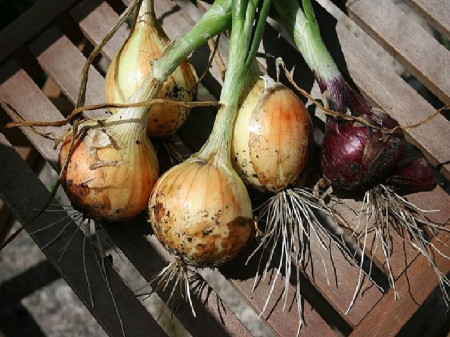
 Sasha Campbell
If you plan to add onions to your vegetable garden, you have plenty of options. You can grow them from seeds, seedlings, sets, or even kitchen scraps.
Most bulb onions take about 85 to 120 days to mature. However, the exact time depends on the variety, weather, and planting method. Seed-grown onions may take longer than onions grown from sets.
In cool climates, plant onions in early spring when the soil is easy to work. In warmer climates, short-day onions are often planted in fall or winter.
Onions grow best in full sun. Give them at least 6 hours of direct sunlight each day. Eight or more hours is even better.
Below is a simple guide to growing onions at home.
Choose the Right Onion Variety
Choosing the right onion for your area is important. Onions begin making bulbs when they receive a certain number of daylight hours.
Short-day onions need about 11 to 12 hours of daylight. They grow best in warm areas closer to the equator and in the southern United States.
Intermediate-day onions need about 13 to 14 hours of daylight. They grow well in many central regions.
Long-day onions need about 14 to 16 hours of daylight. They grow best in cooler areas farther from the equator and in the northern United States.
If you plant the wrong type, the plants may grow healthy leaves but make small bulbs. Check the seed packet or ask your local garden center which type grows best in your area [1].
How to Grow Onions From Seed
Start onion seeds indoors about 8 to 10 weeks before you plan to move them outside.
Fill a seed tray or small pots with clean seed-starting mix. Do not use heavy garden soil because it may hold too much water.
Sow the seeds about ¼ inch deep. Cover them lightly with the mix.
Onion seeds do not need soaking before planting. Fresh seeds, steady moisture, and the right temperature matter more.
Keep the soil moist but not soggy. Place the container in a warm area until the seeds sprout. After they sprout, move them to a cool place with bright light.
Before planting the seedlings outdoors, help them get used to the weather. Place them outside for a few hours each day. Slowly increase the time over about one week.
This process is called hardening off. It helps prevent sun and wind damage.
Growing Onions From Scraps
Growing onions from scraps can be a fun project. However, it may not produce one large storage onion.
To regrow green onions, save the white base with the roots attached. Place the roots in a small amount of water. Keep most of the white part above the water so it does not rot.
Put the container near a sunny window. Change the water every few days. New green leaves should soon appear.
You can also plant the rooted base in potting soil. Leave the top part above the soil.
To grow an onion from a bulb, cut off the bottom section of an onion with the root plate attached. Leave about 1 inch of the onion above the roots.
Let the cut surface dry for about one day. Then plant it in moist, well-drained soil. Cover the root end, but leave the top of the scrap above the soil.
The scrap may grow several shoots. If this happens, you can carefully separate them and replant each one. They may produce several small bulbs instead of one large bulb.
Planting Onion Sets
Onion sets are small, dormant bulbs. They usually grow faster than seeds.
Many varieties mature in about 60 to 100 days, but you should check the package for the exact time.
Choose sets that are dry and firm. Avoid any that are soft, moldy, or badly sprouted.
Small sets are often better for making large bulbs. Large sets are more likely to send up flower stalks. You can use larger sets to grow green onions.
Plant each set with the pointed end facing up. Cover it with about ½ to 1 inch of soil. Do not plant it too deeply because this can make it harder for the bulb to form.
You do not need to soak onion sets before planting.
Spacing
Space onion sets and transplants about 4 inches apart for medium-sized bulbs. Allow 6 to 8 inches if you want very large bulbs.
Leave about 12 to 15 inches between rows.
You can plant onions closer together at first. As they grow, remove some and use them as green onions. Leave enough room for the remaining bulbs to grow.
How Deep Should You Plant Onions?
Sow onion seeds about ¼ to ½ inch deep.
Cover onion sets with about ½ to 1 inch of soil. Keep the pointed end facing upward.
When planting seedlings, cover the roots and the very bottom of the plant. Do not bury the neck deeply.
Do not pile soil over bulb onions as they grow. The bulbs may naturally push above the soil surface. This is normal.
Watering
Onions have shallow roots, so they need steady moisture.
Give the plants about 1 inch of water each week, including rain. Sandy soil may need water more often. Hot and windy weather can also dry the soil faster.
Water deeply enough to wet the root area. Do not keep the soil soggy, because wet soil can lead to root and bulb rot.
Reduce or stop watering when the tops begin to turn yellow and fall over. This allows the bulbs to finish growing and begin drying.
Mulching
Onions do not compete well with weeds. Weeds can take water, sunlight, and nutrients away from them.
Spread 2 to 3 inches of straw or shredded leaves around the plants. Keep thick mulch away from the necks and developing bulbs.
Mulch helps keep the soil moist, reduces weeds, and protects the soil.
Pull weeds carefully because onion roots grow close to the soil surface. Deep hoeing may damage them.
Fertilizer Requirements
Onions grow best in fertile soil that drains well. Mix finished compost into the soil before planting.
Onions grow best when the soil pH is between 6.0 and 6.8.
A soil test can tell you which nutrients your garden needs. If the soil needs nitrogen, feed the onions while the leaves are growing.
Stop using high-nitrogen fertilizer when the bulbs begin to swell. Too much nitrogen late in the season may cause thick necks, slow maturity, and poor storage.
Do not add extra phosphorus or potassium unless a soil test shows that the soil needs it.
Growing Onions in Containers
Onions grow well in containers if they have enough space.
Choose a wide container that is at least 10 inches deep. It must have drainage holes in the bottom.
Fill it with fresh potting mix. You can mix in a small amount of finished compost before planting.
Plant sets or seedlings about 4 inches apart. Closer spacing is fine if you plan to harvest them as green onions.
Place the container where it will receive at least 6 hours of direct sunlight each day.
Check the soil often. Containers dry out faster than garden beds. Water when the top inch of soil begins to feel dry.
Do not cut off healthy green leaves. The leaves make food that helps the bulbs grow.
Onion Companion Plants
Onions can share a garden bed with carrots, lettuce, tomatoes, strawberries, and cabbage-family plants.
Choose plants that will not shade or crowd the onions. Because onions have shallow roots, nearby plants should not take all their water and nutrients.
Some gardeners believe the smell of onions helps confuse pests such as carrot flies and aphids. However, onions cannot fully protect nearby plants from pests.
Some companion-planting guides advise keeping onions away from peas and beans. However, this should not be treated as a strict rule. Proper sunlight, spacing, water, and soil health usually matter more.
You can find more planting ideas in this guide to onion companion plants.
Harvesting Onions
Bulb onions are usually ready when about two-thirds of their tops have turned yellow and fallen over.
Choose a dry day for harvesting. If the soil is firm, use a garden fork to loosen it carefully. Do not cut or bruise the bulbs.
Lift the onions gently and shake off loose soil. Do not wash onions that you plan to store.
If an onion sends up a flower stalk, harvest it and use it soon. Once an onion flowers, its bulb usually stops growing larger. These onions also do not store well.
Curing Onions
Onions must dry, or cure, before long-term storage.
Place the harvested onions in a dry, shaded place with good airflow. Leave the leaves attached while they cure.
Do not pile the onions into a deep heap. Spread them out so air can move around them.
Curing may take one to three weeks. The onions are ready when the necks are dry, and the outer skins feel thin and papery.
Once they are fully cured, trim the roots. Cut the dry leaves about 1 inch above the bulb unless you plan to braid them.
Pests and Diseases
The onion maggot is the young stage of a small fly. The adult flies lay eggs near the base of onion plants. After the eggs hatch, the maggots feed on the roots and bulbs.
Onion thrips are tiny insects that hide between the leaves. They scrape the leaf surface and feed on plant fluids. Damaged leaves may look pale, silver, or streaked.
Check plants often so you can find pest problems early. Remove badly damaged plants and do not place infested bulbs in your compost pile.
Wet soil, poor airflow, and long periods of damp weather can worsen some diseases. Onion diseases include damping off, downy mildew, purple blotch, soft rot, onion smut, and other bulb rots.
Use well-drained soil and avoid crowding the plants. Rotate onions with unrelated crops instead of planting them in the same place each year.
Storing Onions
Store only firm onions that have cured fully.
Use damaged, soft, flowering, or thick-necked onions first. These onions are more likely to rot during storage.
Place good onions in mesh bags, baskets, or cardboard boxes with air holes. Keep them in a cool, dark, dry place with good airflow.
Do not let the onions freeze. Warm temperatures may cause them to sprout.
Check stored onions often. Remove any that become soft, moldy, or rotten.
Properly cured storage onions can last for several months. Sweet onions contain more moisture, so they usually do not last as long [2].
See also: How to Plant Garlic: A Basic Growing Guide
Takeaway
Growing onions takes patience, but the work can give you a fresh and useful harvest.
Choose an onion variety that matches the daylight hours in your area. Give the plants full sun, fertile soil, steady water, and enough space.
Whether you start with seeds, seedlings, or sets, proper care will help your onions form healthy bulbs.





Add comment