

 Sasha Campbell
Your garden may look finished after the last harvest, but your soil is still hard at work.
Learning how to improve garden soil before the next growing season helps create healthy soil for vegetables, flowers, and herbs. Taking a few simple steps now gives your soil time to improve before spring planting.
Many insects, plant pathogens, nematodes, and weed seeds can survive through winter in the soil or leftover garden debris [1]. If you ignore them, they may cause problems when the next growing season begins.
Fortunately, you can improve and protect your soil using natural methods.
Why Soil Treatment Is Important
Healthy soil grows healthy plants.
Healthy soil contains the right balance of air, water, nutrients, and organic matter. This allows plant roots to grow strong and absorb what they need.
Over time, your garden soil loses nutrients, becomes compacted, and may collect harmful pathogens that attack plant roots.
Treating the soil each year helps:
- Reduce soil-borne diseases
- Improve soil structure
- Improve nutrient availability
- Encourage beneficial microbes
- Prepare beds for spring planting.
Healthy soil is the foundation of every successful garden.
Preparing Garden Soil for Next Growing Season
Fall is one of the best times to improve garden soil because organic materials have months to break down before spring planting.
1. Remove Old Plants and Garden Debris
Start by cleaning your garden.
Pull out old vegetable plants, weeds, fallen fruit, and dead leaves. Many plant diseases survive the winter in leftover garden debris.
Plants infected with diseases like early blight, bacterial wilt, or downy mildew should never remain in the garden.
Dispose of infected plants in the trash or according to your local waste guidelines.
If your compost pile does not get hot enough to kill pathogens, do not compost diseased plants.
2. Pull Out Weeds Before They Go to Seed
Weeds compete with your future crops for nutrients and water. Many weeds can also provide shelter for insects and can host plant diseases.
Therefore, remove weeds before they produce seeds. Dig out deep roots whenever possible to reduce regrowth next season.
Removing weeds before they spread seeds makes spring garden preparation much easier.
3. Check for Signs of Soil Problems
Take a close look at your soil.
If water sits on the surface after rain, your soil may be compacted. If your plants struggled despite regular watering, the soil may need more organic matter.
Yellow leaves, poor growth, and weak harvests can also point to nutrient problems.
Finding these issues now gives you time to fix them before planting.
4. Test Your Garden Soil
A soil test removes the guesswork. Testing tells you soil pH, nutrient levels, and organic matter content.
Many garden centers and local extension offices offer affordable soil testing.
Most vegetables grow best in soil with a pH between 6.0 and 7.0 [2].
Knowing what your soil needs prevents over-fertilizing and saves money.
5. Add Compost to Build Healthy Soil
Finished compost is one of the best soil treatments available.
Compost improves most garden soils by adding organic matter and helping create better soil structure. It helps sandy soil hold moisture while making heavy clay soil drain better.
Even more importantly, compost supports beneficial bacteria, fungi, and earthworms that help improve soil health.
Only use finished compost that looks dark, crumbly, and smells like fresh earth. Compost that still has large pieces of food or plant material needs more time to break down.
Spread about 1 to 3 inches of compost over your garden beds each year, depending on your soil’s needs.
6. Add Aged Manure Carefully
Well-aged manure adds valuable nutrients and organic matter.
Cow, goat, rabbit, horse, sheep, and properly composted chicken manure are excellent choices.
Never spread fresh manure in vegetable gardens before planting because it may contain harmful bacteria and too much nitrogen.
Adding well-aged manure in fall gives it time to mix with the soil before many spring plantings.
However, avoid using manure from unknown sources because animals may have eaten hay or feed treated with herbicides that can harm garden plants.
7. Encourage Beneficial Soil Microbes
Healthy soil is full of life. Billions of tiny organisms help break down organic matter and make nutrients available to plants.
These helpful microbes can make it harder for some harmful pathogens to take over.
Adding compost, leaf mold, and natural mulch helps beneficial organisms thrive. The healthier your soil ecosystem becomes, the healthier your plants usually grow.
8. Reduce Harmful Soil Pathogens Naturally
Many fungi and bacteria survive in the soil for months or even years. Fortunately, healthy gardening practices can greatly reduce their numbers.
Start by removing infected plants. Improve drainage because many pathogens thrive in wet soil. Add compost to increase beneficial microbes that naturally compete with harmful organisms.
Avoid planting the same crop family in the same location every year. A healthy soil ecosystem helps protect plants from many diseases.
9. Rotate Your Crops
Crop rotation is one of the easiest ways to reduce diseases.
Many soil pathogens attack specific plant families. For example, tomatoes, peppers, potatoes, and eggplants belong to the same family and often share diseases.
Whenever possible, move these crops to different garden beds each year.
Simple crop rotation helps break disease and insect life cycles.
10. Plant Cover Crops
Instead of leaving bare soil during winter, grow a cover crop.
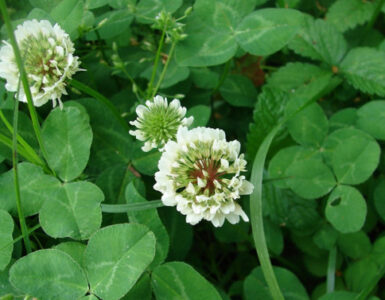
Cover crops protect the soil from erosion while adding organic matter. Popular choices include clover, winter rye, oats, and hairy vetch.
Some cover crops also improve soil fertility. Legume cover crops like clover and hairy vetch work with soil bacteria to capture nitrogen from the air and add it to the soil.
When cut down before planting season, they become valuable organic matter.
11. Try Soil Solarization for Serious Problems
If your garden has a history of severe fungal diseases, nematodes, or heavy weed pressure, soil solarization may help [3]. This method works best during the hottest weeks of summer.
Water the soil well and smooth the surface before covering it with clear plastic. Leave the plastic in place for four to six weeks.
The heat trapped under the plastic can kill many weed seeds and reduce harmful fungi, bacteria, and pests near the soil surface.
After solarization, add compost to restore beneficial microorganisms.
12. Improve Soil Drainage
Poor drainage creates ideal conditions for root diseases. If water stands in your garden after rain, improve drainage before the next growing season.
Adding organic matter, such as compost, each year is one of the best long-term solutions. Raised garden beds can also improve drainage in areas with heavy clay soil.
Healthy roots need both water and air.
13. Loosen Compacted Soil
Hard soil prevents roots from growing deeply.
Use a garden fork or broadfork to loosen compacted soil without turning it over too much. Gentle loosening improves water movement and root growth.
14. Avoid Deep Tilling Every Year
Turning the soil too often can break down soil structure and disturb earthworms and beneficial fungi. Instead, use compost, mulch, and gentle digging to improve soil naturally.
15. Correct Soil pH
If your soil test shows an unbalanced pH, make corrections before planting season.
- Garden lime helps raise soil pH.
- Elemental sulfur lowers soil pH.
These products work slowly, so applying them several months before planting gives the best results.
16. Add Mulch for Winter Protection
Never leave your garden soil bare during winter. Cover the soil with straw, shredded leaves, pine needles, or other organic mulch.
As mulch breaks down, it becomes part of the soil.
Should You Use Soil Fungicides?
Most home gardens do not need chemical soil fungicides.
Good sanitation, crop rotation, compost, and healthy soil biology help prevent many common problems naturally.
Chemical fungicides can sometimes help with specific diseases, but they work best when the problem has been correctly identified and other prevention methods are not enough.
Healthy soil is usually your best defense.
Common Mistakes to Avoid
Many gardeners accidentally create problems for the next growing season.
Common mistakes include leaving diseased plants in the garden, using fresh manure, working wet soil, skipping crop rotation, and leaving garden beds uncovered during winter.
Avoiding these mistakes helps keep your soil healthy year after year.
Frequently Asked Questions
Can soil-borne diseases stay in the garden over winter?
Yes. Many fungi, bacteria, nematodes, and other pathogens can survive in soil or plant debris until the next growing season.
Is compost enough to improve soil?
Compost is one of the best ways to improve soil because it adds organic matter, improves soil structure, and supports beneficial microorganisms. It also supplies small amounts of nutrients.
For best results, combine it with crop rotation and good garden sanitation.
Should I remove mulch before spring planting?
Usually, yes. Move mulch aside while planting seeds or transplants, then return it around the plants to help conserve moisture and suppress weeds.
How often should I test my garden soil?
Testing every two to three years is enough for most home gardens. Annual testing may be helpful if you are correcting nutrient deficiencies or pH problems.
What is the best natural way to treat garden soil?
The best approach combines removing diseased plants, adding compost, rotating crops, planting cover crops, improving drainage, and protecting the soil with mulch.
These methods help reduce pathogens while building healthy, living soil.
Should I till my garden soil before planting?
Tilling is not always necessary. Too much tilling can damage soil structure and disturb beneficial organisms.
Adding compost, mulch, and organic matter is often a better long-term approach.
How do I know if compost is ready to use?
Finished compost should look dark and crumbly and have a fresh, earthy smell. It should not contain large pieces of food or plant material.
Takeaway
Treating your garden soil before the next growing season is one of the smartest investments you can make.
Healthy soil helps grow stronger plants, bigger harvests, and healthier gardens with fewer pest and disease problems. Remove old plants, add compost, encourage beneficial microbes, rotate crops, and protect the soil during winter.
Your soil is a living ecosystem. When you care for it every year, it will continue to reward you with healthy vegetables, beautiful flowers, and productive gardens for many seasons to come.




Add comment