

 Sasha Campbell
Starting a vegetable garden can feel hard when you are new to gardening. You may wonder which vegetables should come from seeds, which are better as young plants, and which grow from tubers, bulbs, cloves, slips, or crowns.
The good news is that you do not need to know everything to get started.
Different vegetables grow in different ways. Many grow easily from seed. Others can get a head start with young transplants.
Some vegetables are commonly started from special plant parts, such as potato pieces, garlic cloves, sweet potato slips, or asparagus crowns.
Once you know how each vegetable starts, growing a garden becomes much easier.
Start Vegetables From Seed
Seeds are one of the easiest and cheapest ways to start many vegetables. You can plant the seeds directly in the garden or start some in small pots or trays.
Many vegetables grow well from seed. These include:
- Beans
- Peas
- Carrots
- Radishes
- Beets
- Lettuce
- Spinach
- Swiss chard
- Corn
- Cucumbers
- Squash
- Pumpkins
Some seeds can go straight into the garden. Beans, peas, carrots, radishes, corn, cucumbers, squash, and pumpkins are good examples.
Always check the seed packet before planting. It will tell you how deep to plant the seeds and how much space to leave between plants.
Keep the soil moist while the seeds are sprouting. Do not let the soil become bone dry.
Once the small plants appear, give them enough light. Seedlings need good light to grow strong.
Vegetables That Are Easy to Grow From Seed
If you are a beginner, start with a few simple crops.
Radishes grow quickly and do not need much space. Beans are also easy because their large seeds are simple to handle.
Lettuce grows well in garden beds and containers, so it is a good choice for small spaces. Carrots are another good choice, but they need loose soil so their roots can grow properly.
Starting vegetables from seed also gives you many more varieties to choose from. Garden centers may only carry a few types of a vegetable, while seed companies can offer many different choices.
Buying Seeds
When buying seeds, choose a trusted seed company or local garden center that sells fresh, properly stored seeds. Look for packets with clear planting information and a recent expiration or packed-for date.
Start Some Vegetables From Transplants
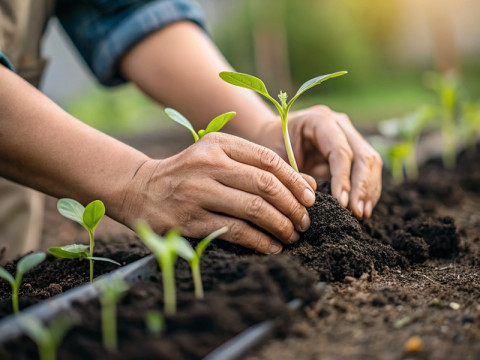
A transplant is a young vegetable plant that has already started growing.
Instead of planting a tiny seed and waiting for it to sprout, you buy or grow a small plant and move it into the garden.
This can save time and give the plant a head start.
Vegetables that are often started from transplants include:
- Tomatoes
- Peppers
- Eggplants
- Broccoli
- Cabbage
- Cauliflower
- Brussels sprouts
- Kale
Tomatoes, peppers, and eggplants often benefit from a head start because they take a long time to grow and produce a crop.
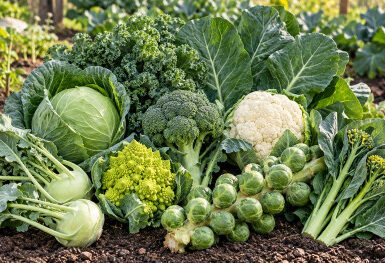
Starting broccoli, cabbage, cauliflower, kale, and Brussels sprouts as young plants can also make planting easier.
You can also start your own transplants from seed indoors. Once the seedlings are large and strong enough, you can move them outside.
Before planting young plants outdoors, slowly get them used to outdoor conditions. This is called hardening off.
Start by placing the plants outside for a short time. Gradually increase the time they spend outdoors over about one to two weeks.
This helps the plants adjust to sunlight, wind, and outdoor temperatures before you plant them in the garden [1].
Start Vegetables From Tubers
A tuber is a thick underground part of a plant that stores food. It can grow new shoots and roots.
The best-known vegetable grown from a tuber is the potato.
You can grow potatoes from pieces of seed potato. Each piece should have at least one healthy eye. An eye is a small bud that can produce new growth.
Plant the pieces in loose, well-drained soil. As the potato plant grows, gardeners often add more soil around the stems. This helps protect developing potatoes from sunlight [2].
Sweet potatoes are usually started from slips rather than ordinary seeds.
A slip is a young shoot that grows from a sweet potato. You can plant the slips in warm soil, where they develop roots and form new sweet potatoes underground.
Start Vegetables From Roots
Some vegetables are grown for their edible roots. These include:
- Carrots
- Beets
- Turnips
- Parsnips
- Radishes
Most root vegetables are started from seed.
Carrots, radishes, turnips, and parsnips are usually best planted directly in the garden because they can be difficult to transplant without disturbing their roots.
A few plants can grow from root pieces or root crowns. Horseradish is one example. Small pieces of its root can grow into new plants.
For most beginner gardeners, though, the easiest way to grow root vegetables is to plant seeds directly in the garden.
The most important thing is to prepare the soil well.
Remove rocks and break up hard clumps. Loose soil gives the roots room to grow.
Start Vegetables From Bulbs, Sets, and Cloves
Some vegetables can be started from bulbs, sets, or cloves.
Onions are a common example. You can grow onions from seeds, sets, or small young plants.
Onion sets are small, immature onion bulbs. They are easy to plant and can give beginners a simple way to grow onions [3].
Garlic is commonly grown from cloves. Each clove can grow into a new garlic bulb.
Separate the cloves from the bulb and plant them with the pointed end facing up.
You can also grow shallots from individual cloves or small bulbs.
These crops are useful for beginners because you do not have to start with tiny seeds.
Start Vegetables From Crowns
A crown is the part of a plant where the roots and shoots meet.
Asparagus is commonly planted from one-year-old crowns instead of seeds. Growing asparagus from crowns can give you a head start because growing it from seed takes longer [4].
Plant asparagus crowns in well-prepared soil and give them plenty of room to grow.
Asparagus is a perennial vegetable. This means it can grow and produce food for many years with proper care.
Which Method Should a Beginner Choose?
There is no single best way to start every vegetable.
Your choice depends on the vegetable, your growing season length, and how much time you have.
Here is a simple guide:
| Vegetable | Best way to start |
| Beans | Seeds |
| Carrots | Seeds |
| Radishes | Seeds |
| Lettuce | Seeds |
| Peas | Seeds |
| Squash | Seeds |
| Tomatoes | Seeds or transplants |
| Peppers | Seeds or transplants |
| Eggplants | Seeds or transplants |
| Broccoli | Seeds or transplants |
| Cabbage | Seeds or transplants |
| Cauliflower | Seeds or transplants |
| Potatoes | Seed potatoes |
| Sweet potatoes | Slips |
| Onions | Seeds, sets, or transplants |
| Garlic | Cloves |
| Shallots | Cloves or bulbs |
| Asparagus | Crowns |
If you are new to gardening, do not try to grow everything at once.
Choose three or four vegetables that you enjoy eating. Start with easy crops and learn as you go.
Give Your Vegetables a Good Start
No matter which planting method you choose, your vegetables need the right conditions to grow.
Many vegetables grow best with about six to eight hours of direct sunlight each day.
They also need good soil and regular water.
Water deeply enough to moisten the soil around the roots, but do not keep the soil soggy. Too much water can cause root problems.
Give each vegetable enough room to grow. Crowded plants may have poor airflow and can compete for water, nutrients, and sunlight.
Adding compost can also improve soil structure and add organic matter.
Start Small and Learn as You Grow
Learning to start vegetables doesn’t have to be difficult.
Begin with vegetables that are easy to grow from seed, such as beans, radishes, lettuce, or carrots. Add a few transplants, such as tomatoes or peppers, for a quicker start.
You can also experiment with potatoes, sweet potato slips, onions, garlic, or asparagus crowns.
The more you garden, the more you will learn about what works in your soil and climate.
Do not worry if every plant does not grow perfectly. Gardening is a learning process.
Start small, pay attention to your plants, and enjoy watching your vegetable garden grow.



[…] Tomatoes are a gardener’s favorite. You can start them indoors in early spring, then transplant them outdoors. […]