

 Sasha Campbell
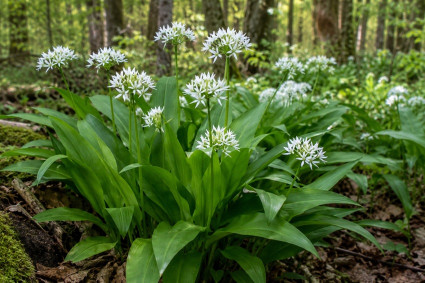
Ramsons are useful in both the garden and the kitchen. Their fresh green leaves have a strong garlic smell. They often grow in large patches in cool, shady woodlands.
Also called wild garlic, ramsons (Allium ursinum) belong to the same plant family as onions, garlic, chives, and leeks. They are native to western and central Europe and areas extending east to the Caucasus [1].
Ramsons provide edible leaves, flower buds, flowers, and bulbs. They also produce early flowers that provide food for bees and other helpful insects.
However, you must identify ramsons carefully. Several poisonous plants have similar leaves. Some of these plants can cause severe or even fatal poisoning.
What Are Ramsons?
Ramsons are perennial plants. This means they can return year after year without being replanted.
They grow from small, pale bulbs beneath the soil. New leaves appear in late winter or early spring. Flower stalks grow later and produce groups of small, white flowers.
The plant usually grows between 8 and 20 inches tall. Its final size depends on the soil, moisture, climate, and amount of shade.
Ramsons die back after flowering and making seeds. Their leaves turn yellow and disappear. However, the bulbs remain alive underground until the next growing season.
Other Names for Ramsons
Ramsons have several common names, including:
- Wild garlic
- Bear garlic
- Bear’s garlic
- Broad-leaved garlic
- Wood garlic
- Buckrams
The scientific name is Allium ursinum.
Using the scientific name is helpful when buying seeds or bulbs. The name “wild garlic” is also used for other plants.
How to Identify Ramsons
Correct identification is very important if you plan to eat ramsons.
Each bulb usually produces two smooth leaves, though some plants may have three. Every leaf grows on its own stalk from the base of the plant.
The leaves are bright green, oval or spear-shaped, and pointed at the tips. They have smooth edges and do not have teeth.
The flowers are small, white, and shaped like stars. Several flowers grow together in a rounded group at the top of a leafless stalk. Each flower normally has six white parts that look like petals.
Ramson leaves usually produce a strong garlic smell when crushed. However, smell alone cannot prove that a plant is safe to eat. The garlic scent can remain on your hands and make another plant seem as if it smells like garlic.
Look at the leaves, flowers, growth pattern, and habitat. Never depend on only one feature.
Where Do Ramsons Grow?
Ramsons prefer cool, moist, and shady places.
In the wild, they are often found in woodlands, beside streams, and in other places where the soil remains moist during spring.
They grow especially well beneath deciduous trees. These are trees that lose their leaves each year. Ramsons receive plenty of light in early spring before the new tree leaves form. Later, the branches and leaves provide shade.
In good conditions, ramsons can spread and form large green carpets across the woodland floor.
Ramsons grow best in places with cool winters, mild summers, and moist springs. They may struggle in tropical areas or places with very hot, dry weather.
How Ramsons Grow
Ramsons begin growing early in the year. Their leaves rise from underground bulbs. Flower stalks appear later.
The plants normally flower in spring. The exact time depends on the climate and location.
After flowering, the plants make seeds. Their leaves then begin to yellow and die back.
The plant may look dead, but its bulb is still alive underground. It becomes dormant, which means it stops actively growing for a time.
New leaves appear from the bulb during the next growing season.
Are Ramsons Edible?
Yes. Ramsons have a long history of use as food.
The leaves are the part most often harvested. They have a fresh garlic flavor that may be mild or strong.
The flower buds and open flowers are also edible. They can be added to salads or used as a garnish.
The bulbs can be eaten too. However, digging up a bulb removes the entire plant. Harvesting a few leaves is a better choice if you want the patch to keep growing.
What Do Ramsons Taste Like?
Ramsons taste similar to garlic. However, the leaves usually have a fresher and milder flavor than mature garlic cloves.
Young leaves are normally soft and tender. Older leaves may become stronger in flavor and less tender.
The flowers and flower buds also have a light garlic taste.
Nutrients in Ramsons
Ramson leaves contain sulfur compounds. These substances help give the plant its garlic smell and flavor.
The type and amount of these compounds can change with the plant’s age, harvest time, storage, and preparation method [2].
Studies have also found vitamin C in ramson leaves. However, the amount can vary with the growing conditions and time of harvest [3].
Ramsons can provide a useful seasonal green food when properly identified and prepared.
How to Eat Ramsons
Young ramson leaves can be eaten raw or cooked.
Chop the leaves and add them to a salad for a mild garlic flavor. You can also mix them into dips, spreads, sauces, and salad dressings.
Ramsons work well in:
- Soups
- Pasta dishes
- Egg dishes
- Potatoes
- Cooked vegetables
- Savory breads
- Soft cheeses
You can also use the leaves to make wild garlic pesto. They can replace some or all of the basil in a traditional pesto recipe.
Heat can weaken their garlic flavor. Add the leaves near the end of cooking if you want a stronger taste.
Start with a small amount if you have never eaten ramsons before.
Can You Grow Ramsons in the Garden?
Yes, but they need the right location.
Ramsons are woodland plants. A hot, dry garden bed in full sun is usually not suitable.
Choose a shaded or partly shaded area. A bed beneath trees or shrubs that lose their leaves each year may work well.
The soil should stay moist, but water should not collect around the bulbs. Bulbs may rot when they remain in very wet soil.
Mixing leaf mold, compost, or other well-rotted plant material into the soil can help copy the conditions of a woodland floor.
The Royal Horticultural Society recommends fertile soil that drains well. It also warns that ramsons can spread quickly once established [4].
Growing Ramsons From Seed
Ramsons can be grown from seed, but you may need patience.
Sow fresh seeds outdoors during autumn. The changing temperatures of autumn and winter can help the seeds begin growing.
Keep the soil moist, but do not flood it. Avoid digging or disturbing the area while you wait.
Germination is the time when a seed starts growing. Ramson seeds may germinate slowly or at different times. Some seeds may not sprout during the first spring.
Mark the planting area so you do not forget where you placed the seeds.
Growing From Bulbs
Bulbs can establish new plants more quickly than seeds.
Plant the bulbs in rich, moist soil in a shaded or partly shaded location. Avoid areas that become very dry during spring.
Buy bulbs from a trusted nursery or plant seller. Do not dig bulbs from the wild unless you have the landowner’s permission and local law allows it.
Once established, ramsons can spread through seeds and underground bulbs.
Ramsons as a Shade-Loving Edible
One of the best garden uses of ramsons is their ability to grow in shade.
Most common vegetables need plenty of sunlight. This can leave spaces beneath trees and shrubs unused.
Ramsons may help make some of these shady areas productive. They can be especially useful in a woodland garden or edible landscape.
However, they still need some light while they are actively growing. A place beneath trees that are bare in early spring is often ideal.
Ramsons as Seasonal Ground Cover
A healthy patch of ramsons can cover bare soil during spring.
The leaves shade the soil and may make it harder for some other plants to grow inside a thick patch.
However, ramsons are not green all year. Their leaves die back after flowering and seed production. The ground may become bare again during summer.
Think of ramsons as seasonal ground cover rather than year-round ground cover.
Ramsons and Helpful Insects
Ramson flowers can provide nectar and pollen during spring.
Bees, flies, and other insects may visit the white flowers. This makes ramsons useful in wildlife-friendly gardens, especially in shady places where fewer plants may bloom.
The flowers are an early food source for bees and other insects that carry pollen [4].
Leave some flowers on the plants if you want to help insects and allow the ramsons to make seeds.
Can Ramsons Spread Too Much?
Yes. Ramsons can spread strongly when they like their growing conditions.
They produce seeds and can gradually form larger groups of underground bulbs. Over time, a small planting may become a thick carpet.
This can be helpful if you want a large edible patch. It may become a problem in a small garden where every plant needs to remain in one place.
Cut off faded flower heads before the seeds ripen if you want to slow the spread. However, the bulbs may still form larger clumps underground.
Growing ramsons in a large container may help control them. Make sure the container has drainage holes and does not become hot or dry.
How to Harvest Ramsons
Harvest the leaves while they are fresh, green, and tender.
Do not remove every leaf from one bulb. Take a small number of leaves from different plants. Leaving plenty of leaves helps the bulbs store energy for the following year.
Cut each leaf with clean scissors. Do not pull on the plant because this may loosen or remove the bulb.
If you gather ramsons from the wild, check local laws and ask the landowner for permission. Some areas do not allow people to collect wild plants.
Never harvest beside busy roads, polluted waterways, sprayed fields, or places that may contain chemicals or animal waste.
How to Clean and Store Fresh Ramsons
Remove damaged leaves and wash the harvest well under clean running water.
Washing can remove soil and some surface dirt. However, it cannot make a poisonous or wrongly identified plant safe.
Dry the leaves gently and place them in the refrigerator. They are best used while fresh because they wilt quickly.
You can chop and freeze the leaves if you want to keep them longer.
Homemade ramson pesto needs special care because it contains fresh plant material and oil. Keep it in the refrigerator and use it within four days. Freeze it if you want to store it longer. Do not leave homemade pesto at room temperature [5].
Important Ramson Look-Alikes
Several poisonous plants can be confused with ramsons. Lily of the valley and autumn crocus are two of the most dangerous examples.
These plants can grow in or near ramson patches. Check every leaf instead of assuming that all the plants in one patch are edible.
Lily of the Valley
Lily of the valley (Convallaria majalis) is poisonous.
Its leaves can look similar to young ramson leaves. Eating it may cause vomiting, diarrhea, and dangerous changes in heart rhythm.
Lily-of-the-valley flowers are small, white, and shaped like hanging bells. Ramson flowers face outward and look like white stars.
Do not wait for flowers before taking identification seriously. The plants may be confused while only their leaves are present.
Autumn Crocus
Autumn crocus (Colchicum autumnale) is highly poisonous.
Although it usually flowers in autumn, its leaves appear during spring. These spring leaves may be mistaken for ramsons.
Autumn crocus contains colchicine. Eating it can cause severe organ damage and may be fatal.
Arum Plants
Some Arum species grow in the same type of damp, shady habitat.
Their young leaves may sometimes appear among ramsons. These plants contain tiny, sharp crystals. Eating them can cause severe burning and swelling in the mouth and throat.
Never eat a plant simply because it is growing inside a ramson patch.
Poison control authorities report that people have been poisoned after confusing ramsons with lily of the valley or autumn crocus. Some cases have been fatal [6].
Safety Tips for Eating Ramsons
Only eat ramsons when you are completely sure of the identification.
Check several features, including:
- Leaf shape
- Leaf growth pattern
- Flowers, when present
- Habitat
- Garlic smell
Do not depend on smell alone. The garlic scent may remain on your fingers and transfer to another leaf.
Examine every leaf before placing it in your basket. Poisonous plants may grow mixed with ramsons.
If you are new to wild edible plants, learn from an experienced local forager or plant expert. A photograph or plant-identification app should not be your only source.
If you think someone has eaten the wrong plant, contact a poison center or emergency medical service at once. Do not wait for symptoms to appear. Keep a sample or clear photograph of the plant if you can do so safely.
Keep ramsons away from pets. Like onions and garlic, plants in the Allium group can harm dogs and cats if they eat enough of them [7].
Takeaway
Ramsons are more than green plants growing on a woodland floor.
They are perennial edible plants that can provide fresh spring leaves, flowers for insects, and seasonal coverage in shady parts of a garden. Their mild garlic flavor also makes them useful in many simple meals.
For the best results, give ramsons conditions similar to their natural habitat. They need shade, spring moisture, rich soil, good drainage, and enough room to spread.
Most importantly, take identification seriously. Poisonous plants can grow beside ramsons and may have similar leaves.
With careful identification, responsible harvesting, and safe food storage, Allium ursinum can be an interesting addition to a woodland or edible garden.




Add comment