

 Sasha Campbell
Most gardeners have pulled purslane (Portulaca oleracea) from their garden without realizing it is also an edible vegetable. This fast-growing plant often appears between vegetable rows, flower beds, and even cracks in sidewalks.
Because it spreads quickly, many people think of it as nothing more than a troublesome weed. However, purslane is much more than an unwanted plant. It is an edible annual that has been enjoyed for thousands of years in many parts of the world.
It is also one of the easiest plants to grow, surviving hot weather, poor soil, and long dry spells that would cause many vegetables to struggle.
Today, more gardeners are beginning to appreciate purslane for its nutrient-rich leaves, ability to cover bare soil, and usefulness in the kitchen. While you may not want it taking over your vegetable beds, allowing a small patch to grow can have several advantages.
This edible weed profile explains what purslane is, how to identify it, where it grows, why it is unique, and the many ways it can benefit your garden.
What Is Purslane?
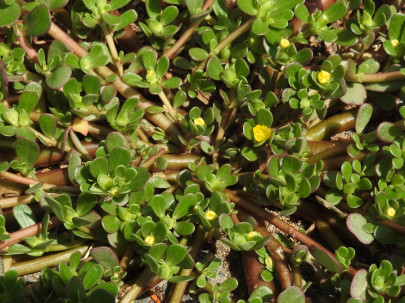
Purslane is a low-growing annual succulent plant with the scientific name Portulaca oleracea [1]. Although it grows wild in many places, it is also cultivated as a vegetable in countries throughout Europe, Asia, the Middle East, Africa, and South America.
Unlike many common weeds, purslane has thick, juicy stems and leaves that store water. This allows the plant to survive during long periods of heat and drought.
Its stems spread outward instead of growing upright. A single plant can form a wide mat that hugs the ground. During warm weather, tiny yellow flowers appear, usually opening only when the sun is shining brightly.
Because of its unusual appearance and edible leaves, purslane stands out from many other weeds commonly found in gardens.
Other Common Names
Purslane is known by many names around the world. Depending on where you live, you may hear people call it verdolaga, little hogweed, common purslane, garden purslane, or pusley.
No matter the name, the plant is recognized for being both a nutritious vegetable and a remarkably hardy weed.
Learning how to identify purslane correctly is important because some plants look similar but should not be eaten.
Don’t Mistake Purslane for Spurge
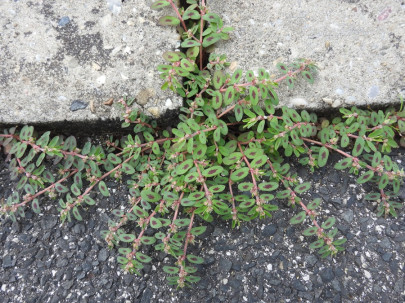 One of the most common mistakes beginners make is confusing purslane with spotted spurge. Although both plants grow close to the ground, they are quite different.
Spotted spurge often has small leaves with a reddish-purple spot near the center.
Its stems are also thinner and produce a white milky sap when broken [2]. The white sap may irritate sensitive skin, so it is best to avoid touching your face after handling it.
Purslane, on the other hand, has smooth succulent leaves, thicker reddish stems, and clear sap or almost no visible sap at all.
Taking a few moments to compare these features can help you safely identify purslane.
Where Does Purslane Grow?
Purslane is one of the most adaptable edible weeds found in gardens. It grows naturally in warm climates and can thrive almost anywhere that receives plenty of sunshine.
You will often find it growing in vegetable gardens where the soil has been disturbed. It also appears in flower beds, orchards, driveways, gravel paths, roadsides, sidewalks, vacant lots, and even between paving stones.
The plant prefers full sun, although it can tolerate some afternoon shade, especially in very hot climates.
Why Purslane Grows So Easily
Many gardeners wonder why purslane seems impossible to eliminate. The answer lies in its remarkable survival skills.
As a succulent, purslane stores water inside its leaves and stems. This allows it to continue growing even after several days without rain.
The plant also produces thousands of tiny seeds during a single growing season [3]. These seeds can remain in the soil for years before conditions become right for germination.
Even after being pulled, purslane may continue growing if left lying on moist soil. Its thick stems contain enough stored moisture to survive for several days.
These traits help purslane survive in places where many plants cannot grow.
During very dry weather, purslane can use special water-saving methods that help it survive when moisture is limited. Scientists call one of these methods CAM photosynthesis [4]. This helps the plant save water by controlling when it opens tiny openings on its leaves, often during cooler nighttime hours.
Nutrient Content of Purslane
One reason purslane has become popular as an edible plant is its impressive nutritional value [5, 6].
The leaves contain several important vitamins, including vitamins A, C, and E. They also provide small amounts of several B vitamins that help support normal body functions.
This edible succulent is also a source of minerals such as calcium, magnesium, potassium, iron, and manganese. It is one of the few leafy vegetables known to contain plant-based omega-3 fatty acids.
Another benefit is its high water content. Like many leafy greens, purslane is refreshing to eat during warm weather because the succulent leaves hold plenty of moisture.
Its mix of vitamins, minerals, fiber, and water makes it a useful addition to salads and other dishes.
Garden Benefits of Purslane
Although many gardeners remove purslane immediately, others intentionally leave a small patch growing because of its useful qualities.
Its spreading growth habit allows it to cover exposed soil quickly. This natural cover can help reduce moisture loss during hot weather and provide some protection for bare soil.
Purslane can shade the soil, which may help slow the growth of some weeds by blocking sunlight.
Its bright yellow flowers may attract pollinating insects, including bees, during the summer months. These small flowers may provide a food source for some insects when fewer plants are flowering.
For gardeners practicing sustainable gardening, this succulent plant can help cover bare soil temporarily in areas where competition with crops is not a problem.
How to Grow Purslane
If you decide to grow purslane instead of pulling it out, you will find that it is one of the easiest edible plants to grow because it requires very little maintenance.
It grows from tiny black seeds that sprout once the soil warms up in late spring or early summer. The seedlings grow quickly and soon spread across the ground.
You can sow seeds directly where you want the plants to grow. Scatter the tiny seeds on the soil surface or cover them with only a very thin layer of soil because they need light to germinate well.
Within a week or two, small seedlings usually begin to appear.
The Best Growing Conditions
Purslane thrives in warm, sunny locations. It grows best when it receives at least six hours of direct sunlight each day.
One reason this plant survives so well is that it is not fussy about soil. It grows in sandy soil, loam, rocky ground, and even areas with poor fertility. However, well-drained soil encourages healthier plants and faster growth.
Unlike many vegetables, purslane rarely struggles during periods of high heat. While lettuce and spinach may bolt in summer, this drought-tolerant plant continues producing fresh leaves.
Water Needs
Because purslane is a succulent, it stores water inside its thick stems and leaves. This allows it to survive long dry periods.
Young plants benefit from occasional watering while they become established. Once established, purslane usually needs very little watering unless the weather stays dry for a long time.
Overwatering is usually a bigger problem than underwatering. Soil that stays constantly wet can lead to poor growth and unhealthy plants.
Growing Purslane in Containers
Purslane also grows well in containers, making it a good choice for gardeners with limited space.
Choose a pot with drainage holes and fill it with a well-draining potting mix. Place the container where it will receive plenty of sunshine.
Because container soil dries out faster than garden soil, check the moisture occasionally. Allow the soil to dry slightly between waterings. Avoid keeping the soil constantly wet.
Its trailing stems can spill over the sides of the pot, creating an attractive display while providing a steady harvest of edible leaves.
Can Purslane Be a Companion Plant?
Some gardeners let purslane grow between larger vegetables because its low-growing habit shades the soil. Its small yellow flowers may also attract some beneficial insects during warm months.
However, purslane grows quickly and can compete with young seedlings if left unchecked. It is best to keep it trimmed or grow it in areas where it will not crowd slower-growing vegetables.
Harvesting Purslane
Purslane is ready to harvest when the stems are about 3 to 6 inches long and covered with healthy leaves.
Use clean scissors or garden snips to cut the outer stems a few inches above the soil. Avoid pulling up the entire plant if you want it to continue growing.
Only harvest plants growing in clean areas away from herbicides, pesticides, and roadside pollution.
Regular harvesting encourages fresh new shoots, giving you a longer harvest season. Morning is often the best time to harvest because the leaves are crisp and full of moisture.
How to Store Purslane
Fresh purslane tastes best soon after harvesting, but it can also be stored for several days.
Rinse the leaves gently under cool water and allow them to dry.
Wrap them in a slightly damp paper towel and place them in a container or reusable storage bag in the refrigerator. Leave a little space for airflow if possible.
For longer storage, purslane can also be frozen after a quick blanching in boiling water. This helps preserve its color and texture for later use in cooked dishes.
What Does Purslane Taste Like?
Purslane has a fresh, crisp texture that is different from many leafy greens.
The thick leaves are juicy, while the stems add a pleasant crunch. Its flavor is mild with a slightly lemony, tangy taste.
Because it is not overpowering, purslane blends well with other vegetables and herbs.
Ways to Use Purslane in the Kitchen
Purslane is surprisingly versatile. The leaves, stems, flowers, and even the tiny seeds are edible. However, correct identification is important because some plants that look similar are not edible.
Fresh purslane is commonly added to green salads for extra crunch. It also works well in sandwiches, wraps, pasta salads, and grain bowls.
The leaves can be stirred into soups near the end of cooking or added to omelets, scrambled eggs, stir-fries, and vegetable dishes. Some people blend it into smoothies or mix it into homemade pesto for a unique twist.
Its mild flavor makes it easy to experiment with in many everyday recipes.
A Few Cautions Before Eating Purslane
Although purslane is an edible plant enjoyed around the world, there are a few things to keep in mind before adding it to your plate.
First, make sure you have correctly identified the plant.
Only harvest purslane from clean areas. Avoid collecting plants growing along busy roadsides, near industrial sites, or in places that may have been treated with herbicides, pesticides, or other chemicals. Always wash the leaves and stems thoroughly before eating them.
Purslane also contains oxalates [7]. Lightly boiling the leaves and discarding the cooking water can help reduce their oxalate content. However, if your healthcare provider has advised you to limit high-oxalate foods, enjoy purslane in moderation or consult them before eating it regularly.
Finally, if you’re trying purslane for the first time, start with a small amount to see how you like its flavor and texture.
Is Purslane Invasive?
Purslane spreads quickly, which is why many gardeners consider it a weed.
Because purslane produces many seeds, it can quickly return to the garden each year. If those seeds fall onto bare soil, new plants may appear throughout the garden the following year.
Fortunately, purslane is fairly easy to manage when removed before it flowers and produces seed. Pulling young plants early or harvesting them regularly helps prevent unwanted spreading.
If you do not want purslane in certain areas, applying mulch around vegetables and flowers can also reduce seed germination.
Where to Buy the Seeds
Purslane seeds are available from many garden centers, seed catalogs, and online retailers.
Look for varieties labeled as garden purslane, vegetable purslane, or golden purslane if you want to grow it as a food crop. These varieties are often selected for larger leaves and better flavor.
Frequently Asked Questions
Is purslane a weed or a vegetable?
It is both. Many people remove it as a weed, while others intentionally grow it as an edible leafy vegetable.
Is purslane safe to eat raw?
Yes. Purslane is commonly eaten raw in salads or cooked in soups and stir-fries.
Always make sure you have correctly identified the plant and harvest it from areas that have not been treated with pesticides.
Avoid harvesting purslane from roadsides, lawns treated with chemicals, or areas where pets may have contaminated the soil.
Does purslane come back every year?
Purslane is an annual plant, meaning each plant completes its life cycle in one growing season. However, it produces many seeds, so new plants often appear the following year.
Is Purslane Good for Your Garden?
Purslane can be helpful or annoying depending on where it grows.
A small patch can protect bare soil and provide food for insects. However, large patches may compete with young vegetables.
The best approach is to keep it where you want it and remove it from areas where crops need more space.
Can purslane grow indoors?
Yes. As long as it receives plenty of sunlight or a quality grow light, purslane grows well in containers indoors.
Can chickens eat purslane?
Yes. Many backyard chicken keepers offer fresh purslane as part of a varied diet along with other safe leafy greens.
Is every part of the plant edible?
Yes. The leaves, stems, flowers, and seeds are edible when the plant has been correctly identified and harvested from clean areas.
Like many leafy greens, purslane contains natural plant compounds that some people may need to limit depending on their diet.
Takeaway
Purslane may have a reputation as a common weed, but it has earned a place in many gardens for good reason. Its nutrient-rich leaves, impressive drought tolerance, and ability to thrive in poor soils make it a unique and valuable plant.
Whether you harvest it for fresh meals or allow a small patch to cover bare soil, purslane offers benefits that many gardeners overlook.
Instead of pulling every plant you see, consider taking a closer look. This humble edible weed may become one of the most useful plants growing in your garden.




Add comment