

 Sasha Campbell
A common problem affecting many gardeners worldwide is leaf curl.
Curling leaves can be a symptom of insect damage, fungal infections, overwatering, or nutrient deficiencies [1].
Fortunately, there are several natural ways to manage leaf curl problems in the garden. In this blog post, we will provide some tips on controlling it in your garden using natural methods.
Leaf Curl Symptoms
Leaf curl is not always a single disease. Curled leaves can result from fungal infections, viruses, pests, environmental stress, watering problems, or nutrient deficiencies depending on the plant.
It’s essential to recognize the signs and symptoms so you can identify it early and treat it quickly.
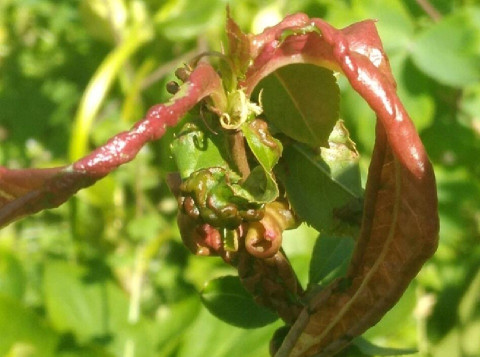
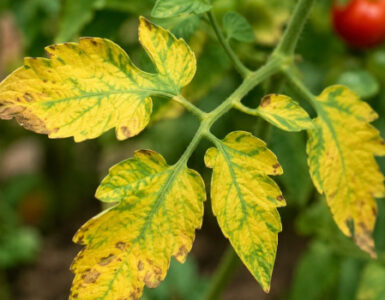
Signs of leaf curl include leaf curling, vein yellowing, and downward cupping of younger leaves. Affected plants may also become stunted.
Plants That It Affects
Plants commonly affected by leaf curl include peaches, tomatoes, eggplants, citrus, nectarines, squash, peppers, apricots, cherries, and plum trees.
Leaf curl is also a common problem in houseplants and can be caused by several factors, as mentioned above.
How to Get Rid of Leaf Curl Naturally
When treating leaf curl, you do not need harsh chemicals. With these home remedies and organic methods, you can tackle the problem naturally.
1. Pruning Your Plants
Pruning your plants regularly encourages healthy growth and prevents diseases from spreading from one plant to another.
Prune any leaves or stems that show signs of damage or distress from leaf curl symptoms. This method will also improve airflow and lessen the chance of disease reinfection.
2. Chamomile Tea Spray
Chamomile tea has mild natural antifungal properties and is sometimes used by gardeners to help suppress fungal problems on plants.
To make a simple chamomile spray, steep 2 chamomile tea bags in 2 cups of hot water, then let the tea cool completely. Pour the cooled tea into a spray bottle and lightly spray the affected leaves.
Apply every few days, especially during damp weather when fungal infections are more likely to spread.
This natural remedy works best as a preventative measure or during the early stages of fungal issues.
3. DIY Plant Protection Spray
You can also create a DIY natural plant protection spray with garlic, hot peppers, and onions. This spray is useful as a repellent against certain pests that can cause leaf curl.
Blend one head of garlic, five hot peppers, and three small onions in two cups of water. Afterward, pour the mixture into a glass container and let it sit overnight.
Pour a quarter of the strained liquid into a quart bottle, then add water and a tablespoon of liquid soap. Shake well.
Apply every few days and monitor plants for signs of leaf burn.
4. Oregano Oil
Oregano oil is another natural remedy for leaf curls. It has natural antifungal properties and may help suppress some fungal infections [2], although results can vary.
You can spray your trees by mixing 6 to 7 ml of oregano oil and a few drops of mild liquid soap with 1 gallon of water. Test on a small area first because essential oils can burn foliage.
5. Rake Up Fallen Leaves
As the leaves fall, they can harbor pathogens, further affecting the tree. So rake up your fallen leaves and discard them.
6. Water Plants Correctly
Overhead watering of your plants’ leaves can cause fungal spores to spread through splashing water. Therefore, when watering your plants, stick to watering at the base of the plant and away from the leaves, if possible.
Too little or too much water can also cause leaf curl, so you’ll want to ensure that your plant gets the right amount.
Overwatering is typically more of an issue with houseplants than underwatering. Feel the soil with your finger; if it is damp, your plant doesn’t need additional water.
7. Baking Soda
You can also use baking soda as a foliar spray to help reduce the risk of fungal diseases affecting your plants.
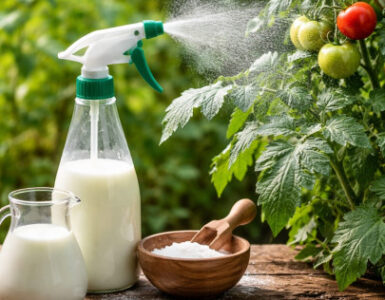
Mix 1 teaspoon of baking soda with 1 quart of water, then spray it onto the plant’s leaves until they are wet.
This home remedy should help reduce fungal pathogens and protect against future infections. However, baking soda sprays are most effective as a preventive measure and may be less effective once infections become severe.
8. Garlic Spray
Garlic has properties that may help deter insects and suppress fungal infections, making it a good choice for your garden.
Making garlic spray for plants is surprisingly easy. Just follow the recipe in our linked article.
Avoid spraying during the hottest part of the day to reduce the risk of leaf burn.
9. Neem Oil
Neem oil can help treat leaf curl caused by pests, such as aphids, thrips, and whiteflies.
Mix 1 tablespoon of neem oil with 1 teaspoon of liquid soap in 1 gallon of water. Spray your plants with this solution.
Apply this natural treatment when you notice a curled leaf on your plants, likely caused by pests. Continue applying it as needed to keep the problem under control.
10. Epsom Salt
Epsom salt can also help treat curly leaves on peach, nectarine, almond, and other fruit trees. This is because magnesium deficiency can cause leaves to curl in some plants.
Epsom salt can help in this case. To increase magnesium levels, apply some to the soil around the trees.
Alternatively, make a leaf curl spray by combining 2 tablespoons of Epsom salt with 1 gallon of water. Spray the curled foliage with the solution.
Important: Use Epsom salt only if a magnesium deficiency is suspected or confirmed, as unnecessary applications may harm plants.
11. BONIDE Copper Fungicide Dust
This product helps prevent and control fungal plant diseases such as peach leaf curl and blight. It’s an organic fungicide worth checking out.
Copper fungicides work best when applied during dormancy before buds open, rather than after symptoms become severe.
12. Cueva
Cueva is an OMRI-listed broad-spectrum fungicide that can also help fix leaf curl. It’s an eco-friendly option that is safe for both you and your plants.
Use this copper-based spray as a preventative treatment against fungal leaf curl diseases.
Will Vinegar Work?
Some gardeners use diluted apple cider vinegar as a home remedy for peach leaf curl. However, scientific evidence supporting its effectiveness is limited.
Also, vinegar can sometimes damage foliage.
Takeaway
If you notice the leaves of your outdoor plants curling inward or your indoor plants curling down, you could be dealing with leaf curl. The key is to identify the cause and implement the best solution for your plants.
Remember, not all cases of leaf curl are caused by the same issues, so figuring out the root cause is key.
Examine the undersides of leaves for insects like aphids, whiteflies, or mites. These pests can damage leaves directly or spread viruses that cause curling.
Hopefully, these natural tips and treatments will help restore your plants to good health.





Will your vinegar solution for curly leaf also kill the small black slugs?
Yes, it will.
Hello,
very interesting to see your Curly Leaf cures.
I am 77 years old and approximately 60 years ago, i was advised by a 72-year-old man of another Curly Leaf cure, totally natural, using another plant/weed commonly found in nearly all areas or gardens.
Many years ago, I was told that natural cures like this were in demand, and some Companies were sourcing these cures, but I did not pursue the matter.
Can you advise me of any information you have regarding this.
A referral or Company name would be greatly appreciated.
Any information would be of assistance.
Yours faithfully,
Trevor Williams