


 Sasha Campbell
Japanese beetles (Popillia japonica) may look shiny and harmless. However, large numbers of them can cause serious damage to garden plants.
These pests feed on leaves, flowers, and fruit [1]. They often gather together, which means several beetles can feed on the same plant at once.
Traps and simple collection methods can help reduce the number of adult beetles feeding in your garden. However, not every Japanese beetle trap works the same way. Some traps may even attract more beetles to your yard.
Before setting up a trap, it helps to know what Japanese beetles look like and how to spot their damage.
Identification
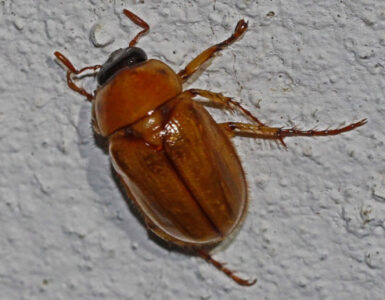
Adult Japanese beetles are a little less than ½ inch long. They have shiny, metallic-green bodies and copper-colored wing covers [2].
Look closely at the sides of the beetle. There are five small tufts of white hair along each side of the abdomen, plus two more tufts near the tip.
Japanese beetles often gather in groups while feeding.
Signs of an Infestation
One of the most common signs of Japanese beetle damage is skeletonized leaves.
The beetles eat the soft tissue between the veins of a leaf. This leaves the veins behind and gives the leaf a thin, lacy appearance.
You may also notice chewed flowers, damaged fruit, or groups of beetles feeding on the same plant.
Plants Japanese Beetles Commonly Attack
Japanese beetles feed on more than 300 plant species [3].
Plants they often feed on include roses, grapes, raspberries, blackberries, hibiscus, hollyhocks, apple trees, cherry trees, and beans.
Checking these plants often during Japanese beetle season can help you find the beetles before they cause heavy damage.
Best Homemade Japanese Beetle Traps and Collection Methods
There are many homemade Japanese beetle trap recipes online. However, only a few simple DIY methods are worth using.
Most work by catching beetles as they drop from plants rather than attracting them with bait.
For a home garden, simple traps and collection methods that take advantage of the beetles’ natural behavior may be a better choice.
1. Bucket of Soapy Water
A bucket of soapy water is one of the simplest ways to trap and kill Japanese beetles.
Fill a bucket partway with water and add a small amount of liquid dish soap. You do not need to make the water very sudsy.
Take the bucket to a plant where Japanese beetles are feeding. Hold it underneath the beetles and gently shake or tap the branch.
When disturbed, Japanese beetles often drop from plants. If you position the bucket correctly, they will fall into the soapy water.
The soap makes it harder for the beetles to stay on top of the water and escape.
This method works especially well in the early morning when Japanese beetles are cooler and less active.
2. Drop Cloth Trap
A drop cloth is another simple way to collect Japanese beetles without spraying your plants.
Early in the morning, spread an old sheet, light-colored cloth, or other suitable material underneath the affected plant.
Gently shake the branches. The sluggish beetles should fall onto the cloth.
Gather the cloth carefully so the beetles cannot escape. Then, shake them into a container of soapy water.
This method is useful when several beetles are feeding on the same shrub or small tree. You can also reuse the cloth each time you check your plants.
3. Container Collection Trap
You do not always need a large bucket to catch Japanese beetles.
A wide container, bowl, or small pail filled with soapy water can work for smaller plants.
Hold the container directly underneath the beetles. Tap the leaf, flower, or branch so the insects fall into the water.
This method is especially useful for roses and other plants where you can easily reach individual beetles.
Check your plants regularly and repeat the process as new beetles appear.
4. Deep Pan Trap
A deep pan or roasting tray can make a simple collection trap for Japanese beetles feeding on low-growing plants.
Add some water and a small amount of liquid dish soap to the pan. Place it on the ground directly underneath the affected plant.
Gently shake or tap the plant so the beetles drop into the pan. The soapy water makes it difficult for them to stay on the surface and escape.
A wide pan can be useful because it covers more space underneath the plant than a small container. This may help catch beetles that fall in different directions.
This trap does not use a lure or bait. It only catches Japanese beetles that are already on the plant.
Empty the pan and refill it as needed.
5. Funnel-Style Collection Trap
You can also make a simple collection setup using a wide funnel and a deep container.
Place the funnel securely over the container opening. Position the setup underneath a plant where Japanese beetles are feeding.
Gently shake or tap the branches so the beetles drop into the funnel and fall into the container below.
The funnel guides the beetles into the container below.
This setup does not attract Japanese beetles on its own. It simply makes it easier to collect beetles that you knock from your plants.
Add a small amount of soapy water to the bottom of the container to keep the beetles from escaping.
When Is the Best Time to Trap Japanese Beetles?
Early morning is usually a good time to trap and collect Japanese beetles.
Cool temperatures make the beetles less active, so they are easier to knock from plants and into a trap or container.
Check plants that Japanese beetles prefer first. Roses, grapes, fruit trees, raspberries, and other favorite host plants are good places to start.
Repeat the process regularly while adult beetles are active in your area.
Removing beetles early can also reduce the amount of feeding damage to your plants.
Can You Make a Japanese Beetle Trap With Fruit?
You may see DIY Japanese beetle traps made with fruit, sugar, vinegar, or fruit juice. However, there is not enough good research to show that these homemade baits are a reliable way to trap Japanese beetles.
These mixtures may also attract other kinds of insects. For a home garden, knocking Japanese beetles directly into soapy water is a more dependable DIY method.
What About Commercial Japanese Beetle Traps?
Commercial Japanese beetle traps use special scents to attract adult beetles. They can catch many beetles, but they may also attract even more beetles to your yard.
Some of those beetles may stop to feed on your plants instead of entering the trap. Because of this, many Extension experts do not recommend lure traps for home gardens.
If you still choose to use one, keep it well away from plants you want to protect and follow the directions on the package.
Where Should You Place a Japanese Beetle Trap?
Placement depends on the type of trap you are using.
A bucket, bowl, drop cloth, or funnel collection trap should be placed directly underneath plants where Japanese beetles are already feeding. These methods do not lure beetles from other areas. Instead, they catch beetles you knock from the plant.
Attractant traps are different. Commercial traps that use special scents to attract Japanese beetles should not be placed beside plants you want to protect. The lure may bring additional Japanese beetles into that part of your yard.
If you decide to use one, place it well away from valuable plants and follow the manufacturer’s directions.
How Often Should You Check for Japanese Beetles?
Check your plants often while adult Japanese beetles are active.
If you find only a few beetles, remove them right away. Feeding damage and groups of beetles can attract even more Japanese beetles to the plant.
Pay special attention to plants that have already been attacked. Japanese beetles tend to gather together, so a plant that has a few beetles today may have more later.
Early morning is one of the best times to collect Japanese beetles. Evening can also work well. During cooler parts of the day, the beetles are often less active and easier to knock into a container.
Do Japanese Beetle Traps Get Rid of Grubs?
No. Trapping adult Japanese beetles does not directly control the grubs living in the soil.
Japanese beetle grubs live underground and mainly feed on grass roots. Adult beetles are the stage you see feeding on leaves, flowers, and fruit.
Trapping adults can reduce the number feeding on your plants, but it should not be treated as a direct grub-control method.
If you also have a grub problem in your lawn, you will need a different control method.
Tips for Using Homemade Japanese Beetle Traps
Keep your trapping methods simple. You do not need complicated homemade mixtures to collect Japanese beetles from your plants.
Check affected plants often and keep a container of soapy water nearby. This makes it easy to collect beetles as soon as you find them.
Empty and clean your collection containers when needed.
Most importantly, repeat the process regularly. New Japanese beetles can continue arriving even after you remove the ones already feeding in your garden.
Takeaway
Homemade Japanese beetle traps do not have to be complicated.
A bucket or container of soapy water is one of the simplest options. You can place it underneath affected plants and knock the beetles directly into the water.
A drop cloth can help you collect several beetles at once. A funnel-style container can also guide falling beetles into a container below.
Be cautious with homemade bait recipes and commercial lure traps. A strong attractant may bring additional Japanese beetles into your yard instead of protecting your plants.
For a small garden, regularly collecting beetles from affected plants is often a simple and practical approach.
Traps are only one way to deal with these pests. If Japanese beetles continue causing damage, other natural control methods can also help protect your garden.




Add comment