

 Sasha Campbell
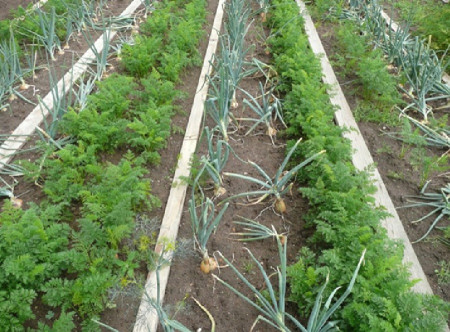
Many gardeners often use companion planting. This technique involves planting different crops together for mutual benefit.
This method helps keep pests away from your garden. It also maximizes space, attracts helpful insects, boosts plant growth, offers shade, and more.
This guide outlines good companion plants for vegetables, fruits, herbs, and flowers. We’ll also highlight those that you should avoid planting near each other.
The Benefits of Companion Planting
The best part about this gardening technique is the numerous advantages it provides. The soil, natural predators, and plants in your garden will all benefit.
When everything works together properly, everything flourishes, which is the goal. The benefits are as follows:
- Improved soil quality and plant health.
- Companion plants provide food for or attract helpful insects and other natural enemies.
- A better chance of pollination for crops that require it.
- Repels pests.
- It helps prevent soil erosion.
- Maximize garden space.
- It also helps to improve the flavor of the crops.
Continue reading to learn more about companion planting combinations. This practice will help you plan and begin a thriving garden.
Examples of Companion Plants
Companion planting is essential in farming. However, it requires taking the time to study your main crops and how they interact.
Here is a list of plants that grow well together.
Tomatoes
To keep tomato plants healthy, consider companion vegetables that grow well with them. These tomato companion plants include onions, sage, borage, lettuce, parsley, and carrots.
Other planting companions include mint, asparagus, rosemary, and basil. Marigold also works wonders [1].
Be sure to keep tomatoes away from the potatoes.
Spinach
Spinach can be grown near squash and onions.
You can also plant it beneath taller vegetables, such as beans, radishes, and celery. Doing so will help protect it from the harsh rays of direct sunlight.
Raspberries
Raspberries are susceptible to various pests and fungal diseases [2].
To help prevent this, choose good raspberry companion plants for your garden.
Plant marigolds, garlic, nasturtiums, and turnips among your raspberry bushes. However, keep them away from eggplant, tomatoes, peppers, blackberries, and potatoes.
Strawberries
Strawberries are a delight in any garden.
Beans, onions, and sage are great companion plants for strawberries. Horseradish, rhubarb, spinach, chives, lettuce, and marigolds are also suitable.
Moreover, growing thyme near the strawberry patch will help keep worms away.
Corn
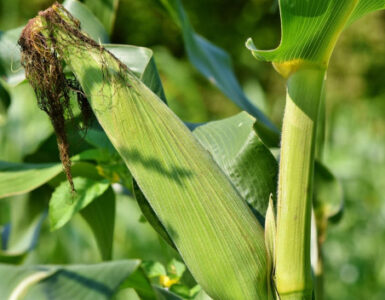
Fresh corn from the garden is a favorite at picnics and barbecues. Luckily, it pairs well with many other garden vegetables.
Cucumbers
Try planting marigolds, sunflowers, and nasturtiums with cucumbers to repel pests. However, bad cucumber companion plants include potatoes, fennel, melons, and sage.
Carrots
Many crops can be planted together with carrots. The most popular pairs are lettuce and radishes.
Planting leeks nearby will also keep away flies. However, avoid putting carrots with celery, parsnips, potatoes, and dill.
Broccoli
Consider planting broccoli alongside other crops, such as sage and celery. Basil, garlic, dill, and onions are good, too.
Other companion vegetables include cucumbers, potatoes, beans, lettuce, radishes, and beets. However, do not grow them next to tomatoes, eggplants, peppers, and mustard greens.
Peppers
Pepper is another vegetable that thrives well with a variety of other plants.
Good companion plants for peppers are radishes, spinach, lettuce, garlic, leeks, and onions. Also, geraniums, petunias, marigolds, basil, and chives will repel some pests.
Do not plant peppers next to fennel, beans, potatoes, and brassicas.
Zucchini and Squash
Consider companion planting zucchini with beans, corn, radishes, parsley, spinach, nasturtiums, and marigolds.
Squash neighbors, such as radishes, beets, beans, peas, and carrots, do well together. Additionally, corn provides support and protection.
Moreover, nasturtiums draw pests away from squash leaves. Marigolds also help reduce insect issues.
However, potatoes and pumpkins compete strongly for nutrients and space. Fennel should also be kept far away.
Beets
Beets grow well with lettuce, onions, and cabbage because they occupy different soil levels.
Garlic helps deter pests while leafy greens make efficient use of surrounding space. But avoid pole beans, as they can stunt each other’s growth.
Melons
Melons benefit from sunflowers, which attract pollinators, and corn, which can provide light shade in hot climates. Radishes also help deter beetles early in the growing season.
However, potatoes compete heavily for nutrients and can increase pest problems. Cucumbers may also attract similar pests when planted too close together.
Eggplant
Eggplant pairs well with beans for improved soil fertility.
Marigolds help deter insects and nematodes, while spinach or lettuce shades the soil, reducing weeds.
But fennel inhibits eggplant growth. Corn may also compete with eggplants for nutrients.
Lettuce
Lettuce thrives near tomatoes and peppers because they provide partial shade during hot weather.
Carrots and radishes grow at different soil depths, making efficient use of garden space. Strawberries also share many of the same growing needs as lettuce.
But parsley planted too closely can cause lettuce to bolt quickly. Broccoli and other large brassicas may also crowd lettuce.
Beans
Beans improve soil fertility and grow well with corn, cucumbers, and squash, all of which benefit from nitrogen-rich soil.
Radishes also help deter pests that attack bean plants.
Keep away from onions, garlic, and other alliums, as they can stunt bean growth. Fennel should also be avoided because it inhibits many garden plants.
Cabbage
Cabbage benefits from dill, which attracts beneficial insects that eat cabbage worms. Celery’s scent confuses pests, while onions and garlic provide additional insect protection.
Chamomile can improve overall plant health.
However, strawberries should be avoided because they compete for nutrients and can slow cabbage growth. Tomatoes may also interfere with cabbage development.
Potatoes
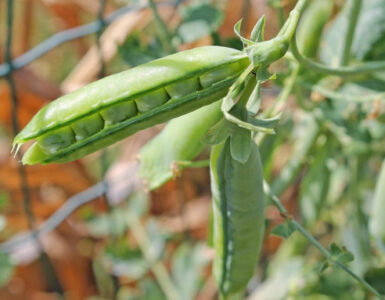
Peas, beans, corn, and various cruciferous vegetables pair well with potatoes in the garden.
Plant marigolds, basil, and sweet alyssum to deter garden pests.
However, avoid combining potatoes with pumpkins and tomatoes. Potatoes also have many other unfriendly companions, as this article shows.
Flowers and Herbs That Can Be Planted Together
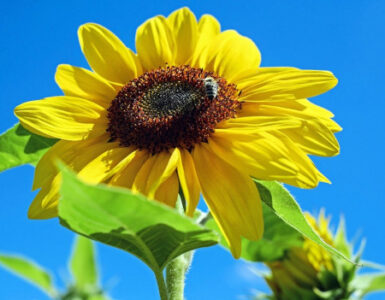
Herbs and flowers, like sunflowers, marigolds, and sage, are great companions. So are zinnias, parsley, nasturtiums, dill, borage, sedum, lavender, and cosmos.
They are renowned for their insecticidal properties and ability to attract pollinators. Some also provide shelter and protection for delicate plants.
More Companions?
Check this category to see what else you can plant together in your vegetable garden.
Takeaway
Planting certain veggies, herbs, or flowers together is one of the many pest-control methods in gardening.
People have practiced companion planting for centuries in different parts of the world and continue to do so today. Feel free to use the information from this list to create your own chart.



Add comment