

 Sasha Campbell
Understanding your soil is the first step to growing healthy vegetables, fruit trees, and flowers. Some plants grow well in acidic soils, others in alkaline soils, and others prefer a neutral pH.
Many garden plants grow best in slightly acidic soil. Only a smaller group of plants, such as blueberries, azaleas, and rhododendrons, need strongly acidic soil.
Plants have different soil pH needs. Some grow best in moderately acidic soil (pH 5.6 to 6.0), while others prefer slightly acidic soil (pH 6.1 to 6.5) or strongly acidic soil (pH 5.1 to 5.5). A few plants can even grow in very acidic soil (pH 4.0 to 5.0). Soil with a pH of 7 is neutral.
This article lists plants that grow best in acidic or slightly acidic soil.
Vegetables That Grow Well in Slightly Acidic Soil
Radishes: Radishes grow best in light, sandy loam. A quick-growing root crop, they thrive in slightly acidic to neutral soil with a pH of 6.0 to 7.0.
Sweet potatoes: Unlike radishes, these crops require a long, warm growing season. Sweet potatoes grow best in well-drained soil with a pH of 5.6 to 6.6.
Peppers: Chili and bell peppers prefer well-drained soil with a pH of 5.5 to 6.5.
Carrots: Another popular and versatile root vegetable, carrots grow best in loose, well-drained soil with a pH of about 6.0 to 6.8.
Cucumbers: Cucumbers grow well in slightly acidic soil. Plant them in a sunny spot with light, fertile, well-drained soil.
Tomatoes: Tomatoes are technically fruits but are commonly grown as vegetables in home gardens. However, they prefer a soil pH between 6.0 and 6.8.
Squash: Summer varieties take 60 days to mature. However, winter squash requires a longer growing season and milder conditions. Overall, squash prefers a soil pH of 5.5 to 6.8.
Broccoli: Most brassicas, including broccoli, are cool-season crops. They grow best in cool weather, full sun, and slightly acidic soil.
Other Vegetables That Like Acidic Soil
Turnips: Both the roots and green tops are edible. Turnips grow best in loose, fertile, slightly acidic to neutral soil.
Parsnips: Like turnips, these roots have many culinary uses. You can also grow parsnips in soil with a pH of 6.0 to 6.8.
Potatoes: Regular potatoes are more adaptable than other root crops but can tolerate acidic soil with a pH as low as 5 [2]. The soil acidity at this level also helps control common potato scab.
Beans: Most bean varieties thrive in warm, sunny garden spots and grow well in slightly acidic to neutral soil.
Herbs That Grow Well in Slightly Acidic Soil
Many common herbs grow well in slightly acidic soil with a pH of about 6.0 to 6.5. These include parsley, basil, cilantro, chives, lemon balm, spearmint, horehound, and lemongrass.
Acid-Loving Fruits, Berry Bushes, and Fruit Trees
Blueberries: These acid-loving shrubs thrive in soil with a pH between 4.5 and 5.5 [3]. They produce sweet, nutritious berries and colorful foliage.
Cranberries: Cranberries are rich in vitamins and antioxidants. Like blueberries, they grow best in strongly acidic soil with a pH of about 4.5 to 5.5.
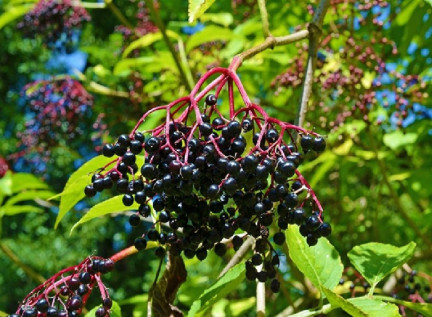
Elderberries: These lovely elderberry shrubs produce berries often used to make jams, syrups, juices, and wine. They like a slightly higher soil pH of 5.5 to 6.5.
Blackcurrants: Blackcurrants grow best in slightly acidic soil with a pH of 6.0 to 6.5. Additionally, these plants prefer full sun but will still grow in light shade. They also prefer well-drained, nutrient-rich soil.
Raspberries: These summer fruits are relatively easy to grow at home. They prefer well-drained, fertile soil with a pH between 5.5 and 6.5.
Strawberries: These popular fruits grow best in slightly acidic soil with a pH of 5.5 to 6.5. Strawberries also prefer full sun and well-drained, fertile soil.
Gooseberries: Gooseberry bushes grow well in slightly acidic soil with a pH of about 5.5 to 6.5. They prefer moist, well-drained soil and can grow in full sun or partial shade.
Lingonberries: These cold-hardy berry plants thrive in strongly acidic soil with a pH of about 4.5 to 5.5. Lingonberries are closely related to cranberries and blueberries. They also prefer moist, well-drained soil and full sun to partial shade.
Huckleberry: These berry-producing shrubs thrive in acidic soil with a pH of 4.5 to 5.5. Huckleberries also prefer moist, well-drained soil and full sun to partial shade.
Apples: Most apple trees grow best in regions with cool winters and prefer soil with a pH between 5.5 and 6.8.
Other fruit trees, including peaches, nectarines, pears, figs, and pomegranates, grow well in slightly acidic to neutral soil.
Flowers That Like Acidic Soil
Heather (Erica): Prefers acidic, well-drained soil, ideally with a pH between 4.5 and 5.5.
Lily of the Valley: This shade-loving ground cover grows well in slightly acidic soil and tolerates pH levels as low as 5.
Camellia: This lovely, romantic flower, which blooms in gorgeous shades of pink and red, is often considered difficult to grow. However, this is usually because the soil is too alkaline. Camellias prefer acidic soil with a pH of 5.8 to 6.5 and grow best in partial shade, especially in hot climates.
Cyclamen: This attractive plant enjoys the middle range of acidity (5.5 to 6.5) and grows best in partial shade.
Foxgloves: These biennials, or short-lived perennials, are acid-loving flowers. They do best in dappled shade and soil with a pH of 5.5 to 6.5.
Zinnias: These bright, cheerful flowers attract bees, butterflies, and other pollinators. Plant in soil with a pH of 6.0 to 6.5. Moreover, zinnias like full sun and well-drained, fertile soil.
Begonias: These annual or perennial flowers grow best in rich, well-drained, slightly acidic soil. Begonias also make elegant houseplants.
Daffodils: These familiar spring-flowering bulbs prefer slightly acidic to neutral soil. They are also low-maintenance flowers that do well in pots.
Impatiens: These colorful shade-loving flowers grow best in slightly acidic soil with a pH of 6.0 to 6.5.
Bleeding Heart: This herbaceous ornamental enjoys slightly acidic soil. It also prefers humus-rich, moist soil and light shade.
Acid-Loving Shrubs and Trees
Blue hydrangeas: Some hydrangeas, especially bigleaf hydrangeas, produce blue flowers when grown in acidic soil with a pH below about 5.5. In neutral or alkaline soil, the flowers usually turn pink.
Rhododendrons: These Asian beauties thrive in acidic soils with a pH of 4.5 to 6.0.
Azaleas: The best soil pH for these attractive garden plants is 4.5 to 6.0.
Gardenias: Gardenias grow best in acidic soil with a pH between 5.0 and 6.5. They also make excellent houseplants in bright, indirect light.
Fothergilla: With abundant white flowers in spring and gorgeous foliage in fall, these shrubs enjoy a soil pH of 5.0 to 6.0.
Magnolia: Magnolias grow best in slightly acidic soil with a pH of about 5.0 to 6.5.
Oak trees: Most oak trees prefer slightly acidic soil. Willow oak is especially tolerant of acidic soils.
Holly bushes: These plants with green, shiny leaves are also acid-loving. They grow best in soils with a pH between 5.0 and 6.0.
Beech: Beech trees grow best in rich, well-drained soil with a pH of 5.0 to 6.5.
Testing Soil pH
You can test your soil at home using an inexpensive soil pH test kit. Garden centers and local extension offices may also offer soil testing.
pH levels range from 0 to 14, with slightly acidic to neutral soil (around 6.0 to 7.0) being ideal for most garden plants [4].
Making Soil More Acidic
Looking to increase the acidity in your soil?
You may have been having trouble getting your plants to grow. Or perhaps you want to try something new in your garden.
Whatever the reason, there are things you can do to increase the acidity in your soil naturally.
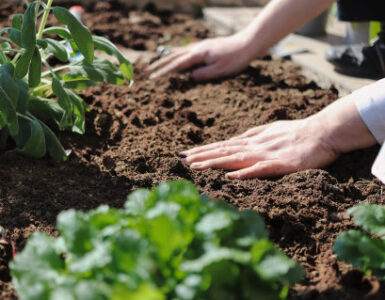
Elemental sulfur is usually the most effective long-term way to lower soil pH. Pine needles and oak leaves help add organic matter but usually do not lower soil pH very much.
However, always test your soil before making major changes.
Takeaway
The correct soil conditions are essential for growing healthy plants. However, every garden is different, so you may need to make small changes until your plants are growing well.
Use this list as a guide when choosing plants for acidic or slightly acidic soil.
See also: 50 plants for alkaline soil.




Thank you for your notes on acid loveing veg as I am new at gardening so will try next year the date is 26 06 2025